Finance · Deals
Shein Stumbles in Hong Kong Debut After Years of IPO Delays
Fast-fashion giant's shares dropped 10% intraday as founder Sky Xu made rare public appearance at muted listing ceremony

KEY TAKEAWAYS
- ·Shein shares fell as much as 10% during the company's first trading day on the Hong Kong Exchange following years of delayed listing plans.
- ·The Hong Kong debut reflects a significant valuation markdown from private peaks near $100 billion as the company pivoted from stalled US listing efforts.
- ·Founder Sky Xu made a rare public appearance at the listing ceremony as the company faces intensifying competition from Temu and regulatory scrutiny in Western markets.
A Rocky Start
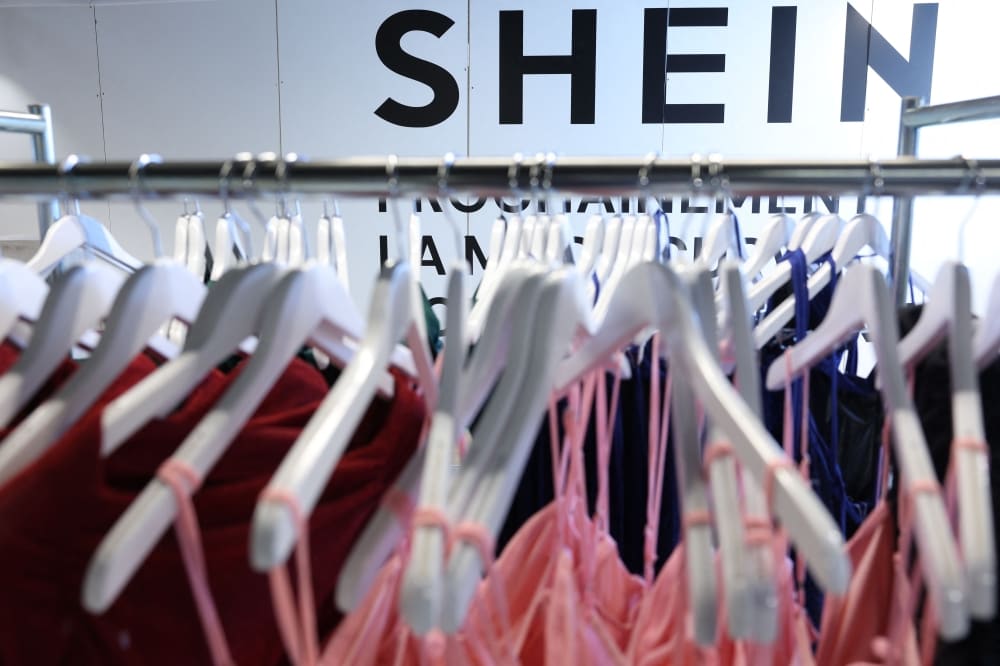
Shein's first day on the Hong Kong Exchange delivered a reality check for one of Asia's most-watched consumer brands. Shares of the China-founded fast-fashion retailer fell as much as 10% during Tuesday trading before clawing back some losses, according to the company's official listing.
The muted debut followed years of regulatory hurdles and strategic pivots that pushed the e-commerce giant away from its original US listing ambitions toward Hong Kong's bourse. Founder Sky Xu, rarely seen in public, appeared briefly at the listing ceremony wearing a flower pin, a gesture that did little to lift market sentiment.
The opening-day volatility underscores investor caution around Chinese consumer platforms navigating both domestic competition and rising trade barriers in Western markets. Shein built its business model on ultra-low prices and algorithm-driven inventory, shipping directly from Chinese factories to consumers worldwide. That approach now faces headwinds as US and European regulators scrutinize supply chains and tariff exemptions.
Valuation Pressure
The Hong Kong listing represents a significant markdown from Shein's private valuation peaks. Market watchers had previously floated figures approaching $100 billion during the company's fundraising rounds in 2021 and 2022. The actual listing valuation, while not disclosed in initial reports, appears to reflect a more cautious assessment of the company's growth trajectory.
Shein's decision to list in Hong Kong came after prolonged discussions with US regulators stalled. The Securities and Exchange Commission raised questions about the company's supply-chain transparency and labor practices, issues that have dogged fast-fashion players globally. Hong Kong offered a faster, if less liquid, path to public markets.
Regional Context
The listing arrives as Chinese consumer companies face a dual challenge: slowing domestic demand and geopolitical friction abroad. Shein's model depends on frictionless cross-border logistics and duty-free thresholds that have come under political pressure. Washington has proposed closing the de minimis exemption that allows packages under $800 to enter the US tariff-free, a loophole Shein has exploited at scale.
Meanwhile, domestic rivals including Temu and TikTok Shop have intensified competition in Shein's core markets. Both platforms leverage similar factory networks and algorithmic merchandising, eroding Shein's first-mover advantage. The company has responded by investing in distribution infrastructure, including a $500 million logistics hub in southern China announced earlier this year.
Founder in the Spotlight
Sky Xu's brief appearance at the listing ceremony was notable for its rarity. The founder has maintained a low profile throughout Shein's rise, avoiding media interviews and public events. Industry observers view his presence as an attempt to signal confidence, though his limited remarks offered little detail on strategy or outlook.
Shein's management has emphasized plans to diversify beyond apparel into home goods and beauty, categories with higher margins and less regulatory scrutiny. The company has also explored partnerships with brick-and-mortar retailers in Europe and Latin America, hedging against potential disruptions to its direct-to-consumer model.
Market Reception
The first-day price decline reflects broader skepticism about Chinese growth stocks and platform business models. Hong Kong's exchange has attracted a wave of secondary listings and companies seeking alternatives to US capital markets, but liquidity remains thinner than New York or London. Institutional investors have grown more selective, prioritizing profitability over growth narratives.
Shein's path forward hinges on its ability to sustain margins while navigating regulatory and competitive pressures. The company has yet to disclose detailed financials, but industry estimates suggest revenue in the range of $30 billion annually, driven primarily by North American and European sales.
The Hong Kong debut, while underwhelming, provides Shein with a public currency for acquisitions and a benchmark for performance. Whether that translates into sustained investor confidence will depend on the company's ability to demonstrate resilience in an increasingly fragmented global market.
RELATED STORIES
Shein Targets $27 Billion Valuation in Hong Kong Debut
Cheng Wei-Lun · 3 min
Shein Targets $27 Billion Valuation in Hong Kong Listing
Cheng Wei-Lun · 3 min

Shein IPO Values Fast-Fashion Giant at $27 Billion, Down 70% From Private Peak
Cheng Wei-Lun · 3 min

Shein Files for Hong Kong IPO With $1.8 Billion Target
Cheng Wei-Lun · 3 min
Spot something wrong? Email editor@briefasia.com. We log every correction publicly.