Asia · Trade
Beijing Warns Domestic EV Makers Against Overseas Price Wars
Chinese government issues caution as BYD and Geely report surging exports, raising concerns that domestic hypercompetition could destabilize foreign markets
KEY TAKEAWAYS
- ·The Chinese government warned domestic EV makers on Tuesday against launching aggressive price wars in overseas markets as BYD and Geely report surging export volumes.
- ·The directive reflects Beijing's concern that intense domestic price competition could trigger protectionist backlash abroad and harm long-term prospects for Chinese brands.
- ·Chinese EV exports have gained traction in Brazil, Southeast Asia, and other emerging markets, raising trade tensions with the US and EU over subsidies and overcapacity claims.
Government Issues Export Conduct Rules
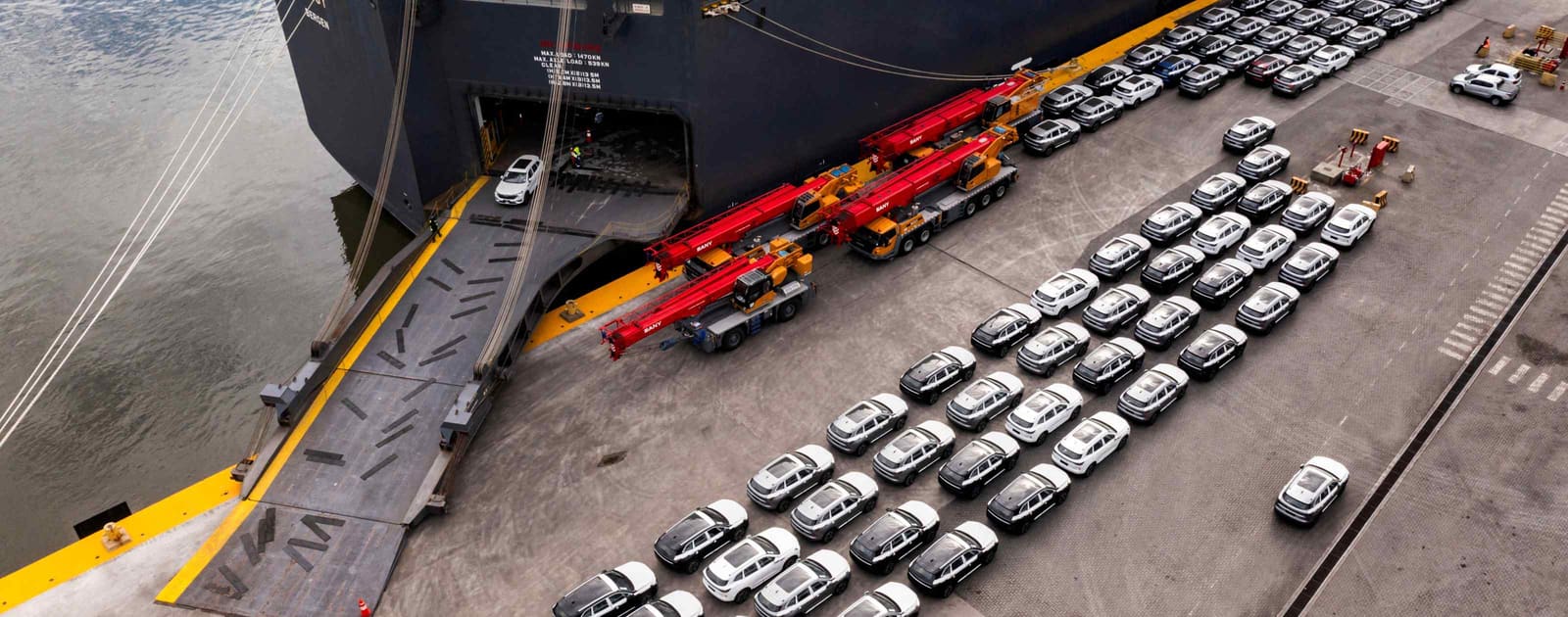
China's government issued a warning to the country's electric vehicle manufacturers on Tuesday, cautioning them against launching aggressive price competition in overseas markets. The directive comes as major Chinese automakers report significant increases in export volumes, raising concerns that the intense price pressure characterizing the domestic market could spread internationally.
The warning from Beijing marks a notable shift in tone as Chinese EV makers expand their global footprint. While the government has long supported the industry's international growth, officials now appear concerned that the same hypercompetitive dynamics that have defined China's home market could trigger backlash abroad.
Export Surge Drives New Scrutiny
The timing of the government's statement coincides with robust export growth from China's leading automakers. BYD and Geely have both reported substantial increases in overseas sales in recent quarters, with Chinese-made vehicles gaining particular traction in emerging markets across Southeast Asia, Latin America, and parts of Africa.
In Brazil, Chinese brands have made significant inroads, capturing market share through competitive pricing and feature-rich offerings. Similar patterns have emerged in markets from Indonesia to Mexico, where Chinese EVs are challenging established players with lower price points and modern technology packages.
The expansion reflects a strategic imperative for Chinese manufacturers. With domestic demand cooling and competition intensifying at home, overseas markets represent crucial growth channels. Yet the rapid gains have also attracted scrutiny from foreign governments concerned about market disruption and potential overcapacity issues.
Domestic Competition Goes Global
China's automotive market has been marked by brutal price competition over the past two years. Manufacturers have slashed prices repeatedly to maintain volume and market position, compressing margins industry-wide. The government's warning suggests officials want to prevent this dynamic from replicating overseas, where it could fuel protectionist responses and harm the long-term prospects of Chinese brands.
The concern is not merely theoretical. Trade tensions have already emerged around Chinese EV exports, with the United States and European Union raising questions about subsidies, overcapacity, and fair competition. Beijing has rejected these claims, but the debate underscores the sensitive political environment surrounding Chinese automotive exports.
Strategic Calculations
For Chinese automakers, the path forward requires balancing aggressive growth targets with sustainable market development. Companies like BYD have invested heavily in overseas production capacity, opening factories in Thailand, Brazil, and Hungary to localize manufacturing and reduce trade friction. Geely has pursued a similar strategy, combining exports with local assembly operations.
The government's intervention reflects a broader effort to manage China's international economic relationships. As Chinese companies expand globally across multiple sectors, from solar panels to electric vehicles, Beijing appears increasingly mindful of the geopolitical ramifications. Orderly market entry, rather than disruptive price competition, aligns better with China's diplomatic and economic interests.
Market Implications
The directive is unlikely to halt Chinese EV exports, but it may influence pricing strategies and market positioning. Manufacturers may focus more on brand building, after-sales service, and technology differentiation rather than pure price competition. This could actually benefit Chinese brands in the long run by establishing them as quality alternatives rather than simply cheap options.
For global markets, the development introduces a new variable. If Chinese manufacturers moderate their pricing approach, it may ease some political pressure while still delivering competitive products. However, the fundamental challenge remains: Chinese EV makers have significant cost advantages stemming from scale, vertical integration, and a mature domestic supply chain. Even without aggressive discounting, they can undercut many established competitors.
The next phase of China's automotive export push will test whether the industry can achieve sustainable global growth while navigating increasingly complex political terrain. The government's warning signals that Beijing recognizes the stakes extend beyond commercial success to broader questions of economic statecraft and international relations.
RELATED STORIES

China's EV Makers Ship One Out of Every Three Cars Overseas as Domestic Demand Cools
Cheng Wei-Lun · 3 min
China Shifts Auto Strategy as Regulators Warn on Quality Over Features
Cheng Wei-Lun · 3 min
Volkswagen Probes Chinese Supplier After Hundreds of New Graduates Dismissed
Cheng Wei-Lun · 3 min
China's Manufacturing Index Holds Below Expansion Threshold for Second Month
Cheng Wei-Lun · 5 min
Spot something wrong? Email editor@briefasia.com. We log every correction publicly.