Asia · Business
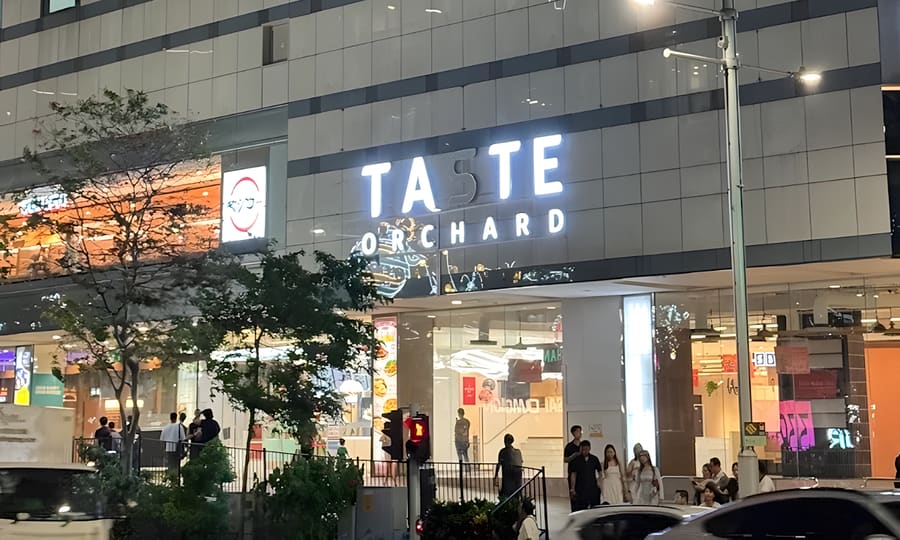
Singapore Food Tenant Sues OG Over Taste Orchard Eviction
Hao Open Foods claims landlord forced closure despite valid lease, adding to legal fallout from shuttered retail concept
KEY TAKEAWAYS
- ·Hao Open Foods filed suit against OG on August 5, claiming forced eviction from Taste Orchard before its November 2026 lease expired.
- ·The dispute centers on whether OG approved sub-tenancies for Yole and Killiney outlets before later declaring them unauthorized and demanding exit.
- ·Taste Orchard closed in September 2025 after OG terminated Hao Mart's master lease over alleged rent arrears, triggering multiple High Court lawsuits.
Legal Fight Over Premature Exit
Hao Open Foods has taken legal action against Singapore department store operator OG, claiming the landlord forced it to abandon two food outlets before the end of a three-year tenancy agreement. The lawsuit, filed August 5 in Singapore's High Court, centers on the abrupt closure of Yole ice cream and Killiney cafe units at Taste Orchard, a retail concept that collapsed less than 18 months after opening.
The plaintiff operates under the ownership of Tan Kim Yong, who chairs Hao Mart, a decade-old Singapore grocery chain. According to court documents, Hao Open Foods signed two lease agreements in November 2023 for space at Taste Orchard, with both contracts running through November 2026. The company sold ice cream products under the Yole brand in one unit and prepared food under the Killiney brand in another.
Disputed Sub-Tenancy Terms
Central to the dispute is whether OG knew about and sanctioned the sub-leasing arrangement. Hao Open Foods maintains that OG was aware of the sub-tenancies, approved them, and raised no objections initially. The company alleges OG later reversed its stance, declaring the arrangements unauthorized and demanding that master tenant Hao Mart clear all sub-tenants from the building.
The lawsuit seeks damages on multiple grounds: misrepresentation, negligence, wrongful interference with trade, and inducing breach of contract. Hao Open Foods argues it was operating under legitimate agreements when OG changed the terms mid-stream, forcing an early exit that disrupted its business operations.
Collapse of Taste Orchard
The legal action is the latest in a cascade of disputes stemming from Taste Orchard's failure. The food and lifestyle hub opened in February 2024 after Hao Mart became master tenant of five retail floors at 160 Orchard Road, a prime shopping district address previously occupied by OG's Orchard Point department store. The master lease was set to run seven and a half years.
Taste Orchard housed multiple food, beverage, retail and service operators as sub-tenants, alongside Hao Mart's premium Eccellente supermarket. The entire concept shut down after OG terminated Hao Mart's master lease in September 2025, citing unpaid rent and unauthorized subletting. OG required both Hao Mart and all sub-tenants to vacate.
Broader Legal Fallout
Hao Mart has become entangled in several High Court proceedings beyond the Hao Open Foods case. Separate lawsuits involve OG, property agency PropNex Realty and one of its agents, skincare firm Belovie, and hair care company Bio Organicare Scalp. The disputes reflect the messy unwinding of a retail project that attracted dozens of vendors before collapsing under financial and contractual strain.
Hao Mart's retail footprint has contracted sharply. Its final Eccellente outlet at Marina Square closed in June after the lease expired. As of early August, six Hao Mart stores remained operational, even as the retailer's website continued to list 20 outlets, including several already shuttered.
Unresolved Questions
The lawsuit raises questions about due diligence and communication in complex retail leasing arrangements. If OG initially approved sub-tenancies, the legal basis for later declaring them unauthorized becomes murky. Conversely, if Hao Mart sublet space without proper authorization, the cascade of disputes suggests inadequate oversight of a high-stakes retail experiment.
For sub-tenants like Hao Open Foods, the collapse of Taste Orchard illustrates the risk of operating under a master lease structure. When the master tenant's relationship with the landlord deteriorates, sub-tenants can find themselves forced out regardless of their own compliance with lease terms. The outcome of this lawsuit may clarify the extent to which landlords can terminate sub-tenancies tied to a master lease in default.
Singapore's retail property market has seen several high-profile closures in recent years, as e-commerce pressure and shifting consumer habits challenge traditional brick-and-mortar models. The Taste Orchard saga underscores the financial and legal complexity of repurposing prime retail space, particularly when master lease arrangements layer multiple parties with competing interests.
RELATED STORIES

Singapore Electronics Exports Surge 112% on AI Hardware Demand
Priyanka V. Rao · 3 min
Singapore Car-Rental Firm Faces S$140,000 in Customer Claims
Lim Hui Ying · 2 min

Singapore Electronics Exports Surge 112% on AI Chip Demand
Cheng Wei-Lun · 3 min

Union Gas Reports Record Profit on Cnergy Station Expansion
Lim Hui Ying · 2 min
Spot something wrong? Email editor@briefasia.com. We log every correction publicly.