Finance · Markets
Bank of Japan Eyes September Rate Increase and Faster Tightening Cycle
Central bank officials signal growing concern over inflation pressures from Middle East tensions, AI-driven demand, and persistent yen weakness despite recent intervention
KEY TAKEAWAYS
- ·Japan's central bank is preparing to raise interest rates at its September 17-18 policy meeting, with officials considering a faster tightening pace beyond the current twice-yearly cycle.
- ·Inflation pressures are intensifying, with wholesale prices at three-year highs in July and expectations among households, firms, and economists all approaching or exceeding the 2 percent target.
- ·Markets now assign roughly 80 percent probability to a September rate increase, with some analysts expecting a potential follow-up move in December that would shift to a quarterly tightening pattern.
Shift in Monetary Policy Timeline
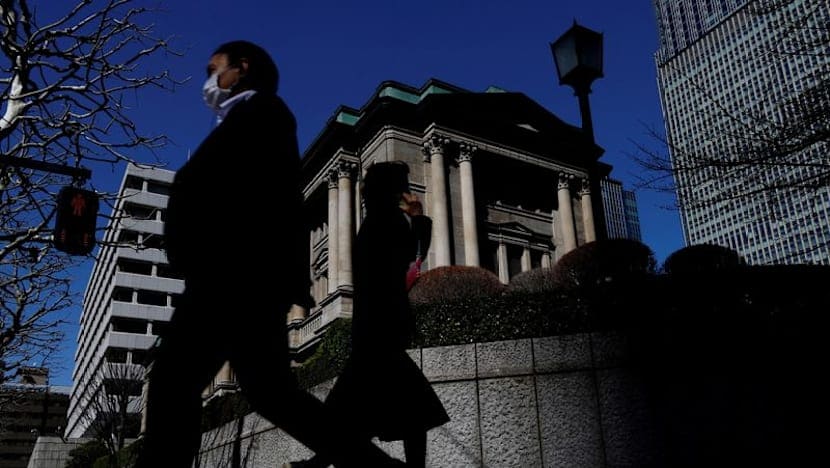
Japan's central bank is preparing to raise interest rates at its September policy meeting and may accelerate the pace of subsequent hikes beyond its current rhythm, according to three people familiar with the institution's deliberations. The shift reflects mounting concern among policymakers over inflation dynamics driven by geopolitical tensions, technology sector demand, and currency weakness.
"An early rate hike has come into sight," one source said, pointing to a strong likelihood of action at the September 17-18 policy meeting. Another source confirmed that officials are considering a faster tempo of rate increases going forward.
The central bank has raised rates roughly twice per year since dismantling its decade-long stimulus program in 2024. The most recent move came in June, when rates reached 1 percent for the first time in 31 years.
Inflation Pressures Mount
Multiple factors are driving the urgency behind the policy reassessment. Annual wholesale inflation remained at three-year highs in July, raising the prospect that cost pressures will spread more broadly to consumer goods as businesses pass along higher input prices.
Surveys indicate that inflation expectations among households, firms, and economists are all approaching or exceeding the 2 percent target. The convergence of these measures across different segments of the economy suggests that price pressures are becoming more entrenched.
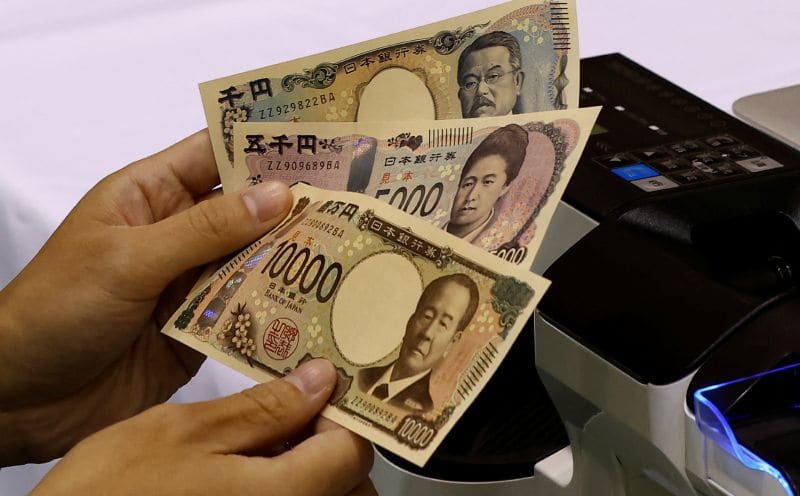
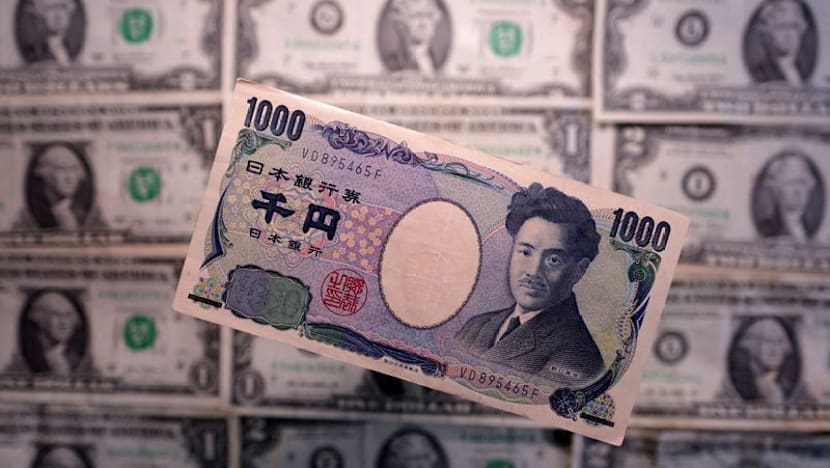
The yen's trajectory remains a particular concern. Although the currency has recovered from the 40-year low reached in July, its continued weakness is likely to sustain upward pressure on import costs across a wide range of goods, according to market analysts.
Policy Communication Intensifies
At its July meeting, the central bank kept policy unchanged but delivered its clearest signal yet that a near-term rate increase was under consideration. Officials warned that accumulating price pressures could push underlying inflation above the 2 percent target.
A summary of opinions from that meeting revealed that some board members advocated for a faster pace of rate hikes to avoid falling behind the inflation curve. Governor Kazuo Ueda subsequently indicated at a press briefing that he would incorporate the board's heightened inflation concerns into future policy decisions.
Ueda also noted that the central bank might accelerate rate increases if financial conditions were judged to be excessively accommodative.
Intervention and External Pressure
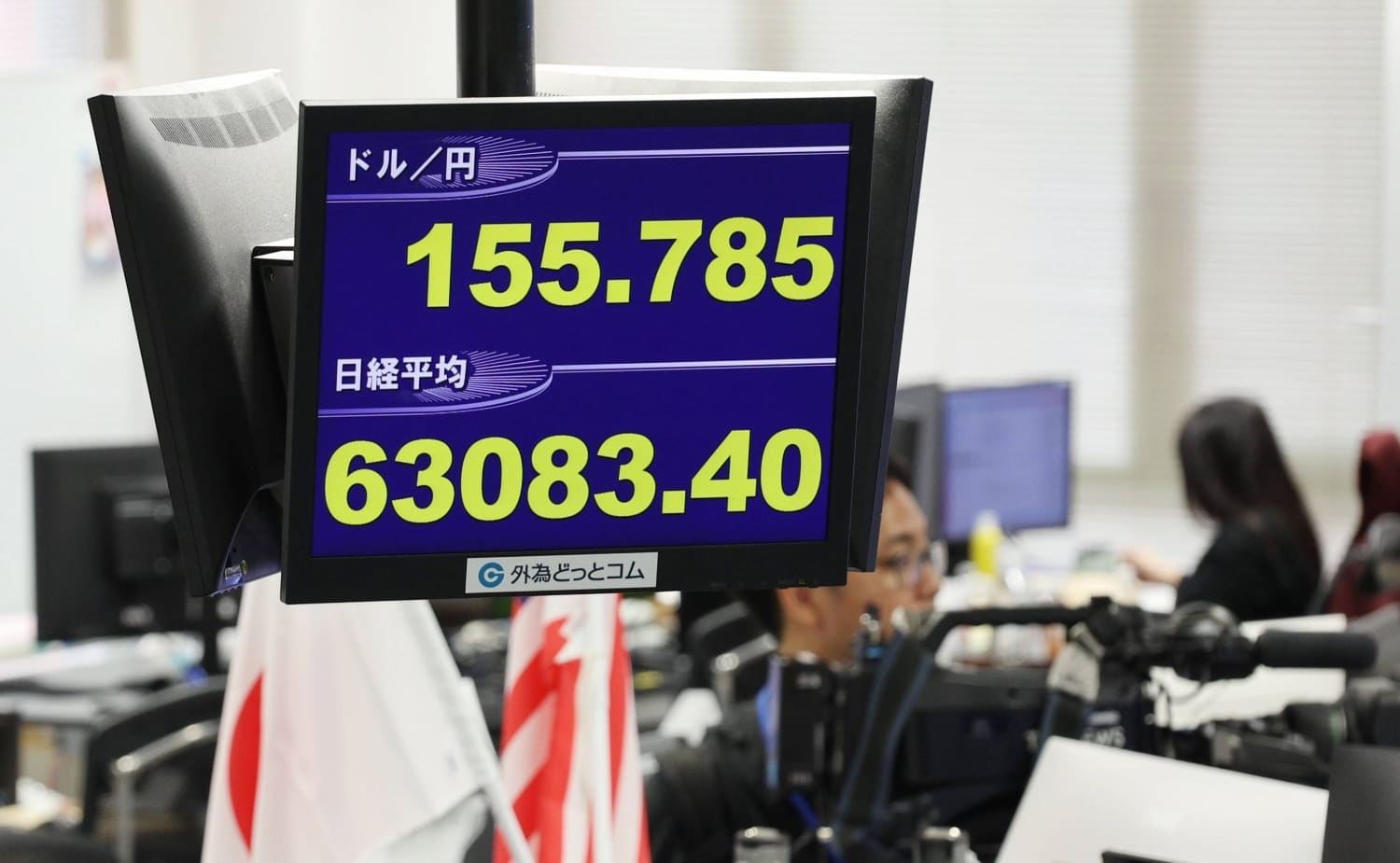
Japan conducted a rare joint currency intervention with the United States in July, an operation that has intensified scrutiny of the central bank's policy stance. U.S. Treasury Secretary Scott Bessent's public comments on the matter have added to the attention on how Japanese policymakers might respond to persistent yen weakness.
Markets are now assigning roughly an 80 percent probability to a September rate increase, a sharp rise in expectations over recent weeks.
Balancing Act Ahead
The central bank has previously emphasized the need to carefully assess the impact of past rate increases on the fragile economy before proceeding with additional tightening. As the policy rate approaches levels considered neutral for economic activity, officials had stressed a cautious approach.
However, with underlying inflation nearing the 2 percent target, policymakers appear increasingly sensitive to upside price risks, according to a third source. The calculus now weighs the risk of acting too slowly against the traditional concern of moving too quickly.
If the central bank proceeds with a September increase, some analysts believe it could create room for another move in December. That would shift market expectations toward a quarterly tightening cycle, doubling the pace from the current pattern.
The sources spoke on condition of anonymity because they are not authorized to discuss policy deliberations publicly. The central bank declined to comment on the matter.
Japan's monetary policy trajectory has significant implications for regional capital flows and asset prices across Asia. A faster tightening cycle would mark a decisive break from the ultra-loose monetary conditions that defined Japanese policy for more than a decade, potentially reshaping yield differentials and investment patterns throughout the region.
RELATED STORIES
Japan and US Stage Joint Intervention as Yen Slides Past ¥155
Aiko Nakamura · 3 min

Japan's Core Inflation Edges Up to 1.8% Amid Energy Pressure
Aiko Nakamura · 2 min
Yen Heads for Steepest Weekly Drop Since May as Intervention Effect Fades
Cheng Wei-Lun · 3 min
Japan's Yen Hovers Near Intervention Threshold as Rate Gap Persists
Cheng Wei-Lun · 3 min
Spot something wrong? Email editor@briefasia.com. We log every correction publicly.