Finance · Markets
Japan's Yen Hovers Near Intervention Threshold as Rate Gap Persists
Currency trades at 159.37 per dollar, approaching the critical 160 level that previously triggered government action
KEY TAKEAWAYS
- ·The yen is trading at 159.37 per dollar, nearing the 160 level that previously triggered billions in joint Japan-U.S. intervention during April, May, and July.
- ·The yield gap between U.S. Treasuries at 4.7 percent and Japanese government bonds under 2.9 percent continues to fuel carry trades and yen weakness.
- ·Market participants expect a Bank of Japan rate hike in September, with former top diplomat Furusawa emphasizing the need for faster policy tightening communication.
Intervention Zone Looms Again
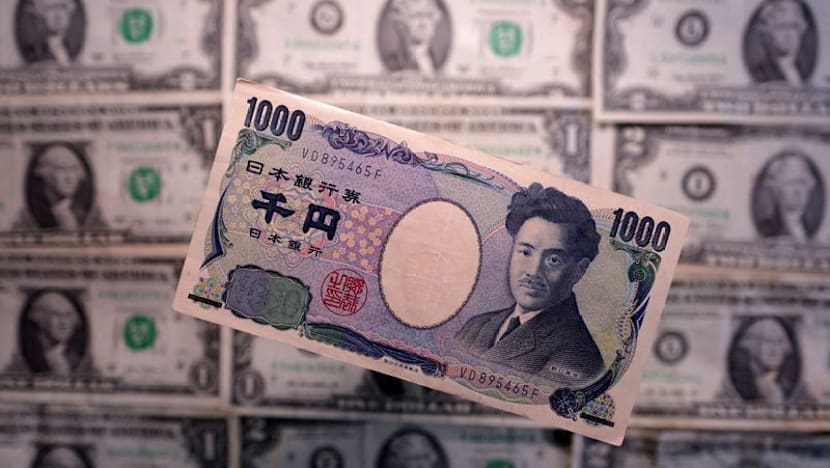
The Japanese yen is trading at 159.37 per U.S. dollar, edging closer to the 160 threshold that has historically prompted Tokyo to deploy billions in currency market interventions. The currency is on track for its steepest weekly decline in three months, despite coordinated efforts between Japan and the United States to stabilize it.
Japanese authorities spent heavily propping up the yen during April and May, followed by another joint operation with U.S. counterparts in late July. Officials have repeatedly signaled their readiness to intervene again if market conditions warrant action. Yet the currency continues to slide, trapped in what traders are calling a twilight zone between official support and fundamental weakness.
The Math Behind the Decline
The core driver of yen weakness remains stubbornly unchanged: the interest rate differential between Japan and other major economies. Ten-year U.S. Treasury yields sit near 4.7 percent, while comparable Japanese government bonds yield under 2.9 percent. That gap of nearly 180 basis points creates a powerful incentive for carry trades, where investors borrow in yen to invest in higher-yielding assets elsewhere.
No amount of direct market intervention can overcome this fundamental arithmetic. Traders continue to bet against the yen as long as the yield spread remains wide enough to justify the position, even accounting for the risk of sudden government action in currency markets.
Pressure Mounts on Bank of Japan
Market participants are now looking to the Bank of Japan to address the currency's weakness through monetary policy rather than market operations alone. Traders are pricing in a September rate hike, with growing expectations that the central bank will need to accelerate its pace of tightening.
Mitsuhiro Furusawa, Tokyo's former top currency diplomat, stated that the BOJ should raise rates in September. More importantly, he emphasized that the central bank needs to communicate a commitment to a faster trajectory of rate increases going forward. Some analysts argue the BOJ has been too gradual in normalizing policy, leaving the yen vulnerable.
The central bank faces a delicate balancing act. Raising rates too quickly could choke off Japan's fragile economic recovery, but moving too slowly allows the yen to weaken further, importing inflation through higher costs for energy and raw materials.
Fed Path Adds Uncertainty
Recent U.S. inflation data showing softer pricing pressure has reduced expectations for imminent Federal Reserve rate hikes, offering modest relief for the yen. However, the risk of further Fed tightening has not disappeared entirely. Ongoing tensions in the Middle East, where a peace deal remains elusive, could reignite energy price pressures and keep U.S. monetary policy restrictive for longer.
The yen's fate now appears tied to the relative pace of policy adjustments on both sides of the Pacific. If the Fed holds steady while the BOJ accelerates, the yield gap could narrow enough to stabilize the currency. But if U.S. rates remain elevated while Japanese policy moves cautiously, the yen may test intervention levels repeatedly.
Regional Implications
The yen's weakness reverberates across Asia, where many economies compete with Japanese exports and manage their own currency relationships with the dollar. A cheaper yen makes Japanese goods more competitive in global markets, putting pressure on manufacturers in South Korea, Taiwan, and elsewhere in the region.
For now, the currency remains in limbo, caught between government intervention and market forces that show little sign of reversing. The coming weeks will test whether monetary policy adjustments can succeed where direct market operations have struggled.
RELATED STORIES
Yen Heads for Steepest Weekly Drop Since May as Intervention Effect Fades
Cheng Wei-Lun · 3 min

Bank of Japan Eyes September Rate Increase and Faster Tightening Cycle
Aiko Nakamura · 3 min
Yen Slides Toward 160 per Dollar as Market Tests Tokyo's Resolve
Cheng Wei-Lun · 3 min
Japan and US Stage Joint Intervention as Yen Slides Past ¥155
Aiko Nakamura · 3 min
Spot something wrong? Email editor@briefasia.com. We log every correction publicly.