Finance · Markets
US Intervenes in Currency Markets to Shield Treasury Yields From Japanese Yen Volatility
Washington's rare coordination with Tokyo aims to prevent bond market disruption as Japan liquidates US Treasuries to stabilize its currency
KEY TAKEAWAYS
- ·The US executed its first currency intervention in decades, coordinating with Japan to support the yen and prevent Treasury yield increases from Japanese bond liquidation.
- ·Japan holds $1.1 trillion in US Treasuries and has been selling bonds to fund yen support, creating upward pressure on yields that threatens tech sector valuations.
- ·Market analysts expect the psychological impact of coordinated intervention to last three to four weeks before underlying economic fundamentals reassert pressure on the yen.
A Rare Move Into Currency Markets
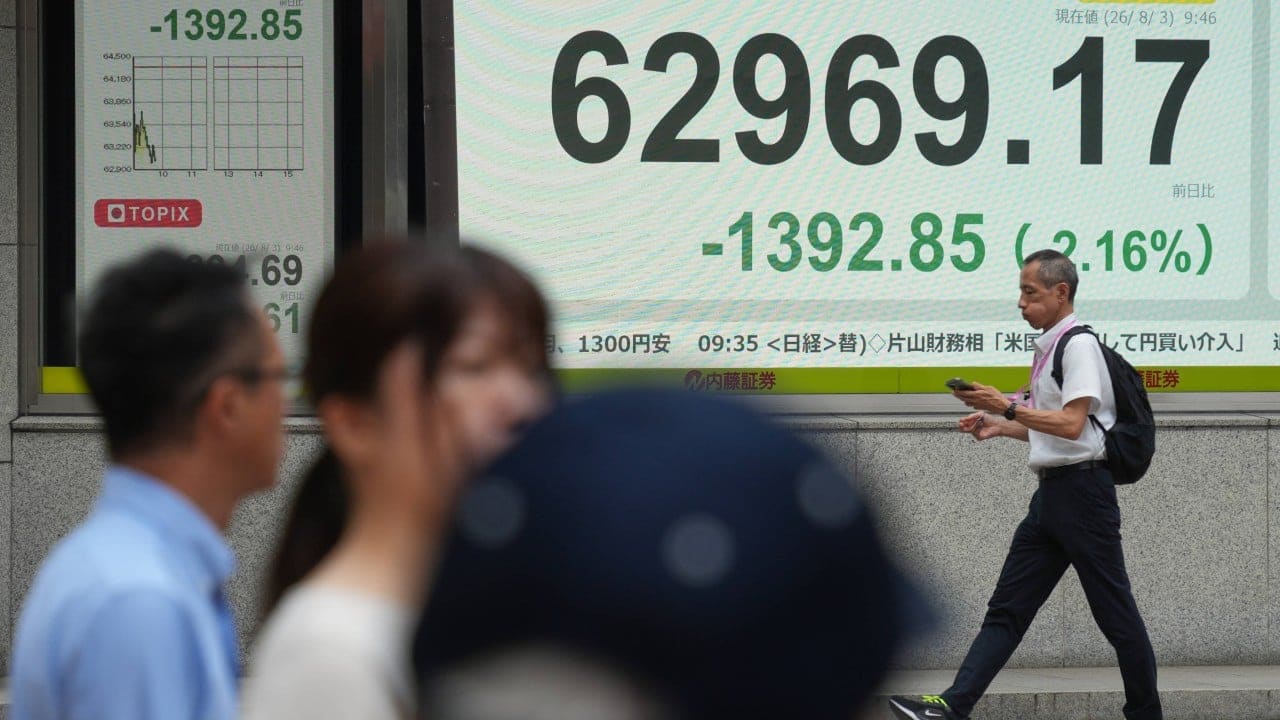
The United States has executed its first currency intervention in decades, working alongside Japanese authorities to prop up the yen in a coordinated action that signals deepening concern over bond market stability. The joint operation marks a significant departure from Washington's longstanding hands-off approach to foreign exchange markets.
The intervention carries more weight than Tokyo's solo efforts in recent months. When the US Treasury participates directly in currency operations, it sends a clear message to traders about policy alignment between the world's largest economies. Market participants have responded to the psychological signal, though the durability of that response remains uncertain.
The Treasury Sell-Off Dynamic
Japan has been liquidating US government bonds to fund its yen support operations, creating upward pressure on Treasury yields. Higher yields mean lower bond prices, and the selling has introduced volatility into what is typically the world's most stable debt market. For Washington, this presents a problem that extends beyond exchange rate mechanics.
Rising Treasury yields increase borrowing costs across the US economy. Mortgage rates, corporate debt, and government financing all become more expensive when the benchmark 10-year Treasury yield climbs. The Federal Reserve has worked to keep rates manageable, but foreign selling can undermine those efforts.
Japan holds approximately $1.1 trillion in US Treasuries, making it one of the largest foreign creditors to the United States. When Tokyo needs dollars to buy yen, it must sell those bonds. The scale of Japan's holdings means even modest liquidation can move markets.
Tech Valuations Under Pressure
The timing of the intervention coincides with growing scrutiny of technology sector valuations, particularly companies tied to artificial intelligence infrastructure. These firms have seen extraordinary stock price appreciation over the past two years, driven by investor enthusiasm for generative AI applications and the computing power required to run them.
Higher interest rates pose a direct threat to high-growth technology stocks. These companies are often valued based on future earnings projections, and rising discount rates reduce the present value of those distant cash flows. If Treasury yields continue climbing, equity valuations in the tech sector face mathematical pressure downward.
The connection between currency intervention and equity markets is indirect but real. By supporting the yen and reducing Japan's need to sell Treasuries, US authorities are attempting to cap yield increases that could trigger a broader reassessment of asset prices. Tech stocks, given their elevated multiples, would be among the first casualties of a sustained bond market sell-off.
Market Skepticism on Duration
Currency interventions produce short-term effects. Traders know that central banks cannot indefinitely defend a particular exchange rate level without addressing underlying economic fundamentals. The yen's weakness stems from Japan's ultra-low interest rates and sluggish growth, conditions that a one-time dollar injection cannot fix.
Analysts estimate the psychological boost from coordinated intervention typically lasts three to four weeks. After that, market forces reassert themselves. If Japan's economic conditions remain unchanged, the yen will face renewed selling pressure, forcing Tokyo back into the market and potentially requiring further Treasury liquidation.
The US cannot repeatedly intervene without raising questions about its commitment to market-determined exchange rates, a principle Washington has historically championed. Frequent interventions would also deplete currency reserves and undermine the credibility of future operations.
Asia's Currency Dynamics
Japan is not alone in managing currency volatility. Central banks across Asia have been active in foreign exchange markets over the past year, responding to dollar strength and capital outflows. South Korea, Taiwan, and Singapore have all taken steps to stabilize their currencies, though with varying degrees of transparency.
The difference with Japan is scale. As the world's third-largest economy and a major holder of dollar assets, Tokyo's actions have systemic implications. When Japan sells Treasuries, it affects global borrowing costs. When the US steps in to help, it signals that currency stability has become a shared priority between the two allies.
What Happens Next
The immediate question is whether this intervention buys enough time for Japan to address its economic challenges without further destabilizing US bond markets. If Tokyo can narrow its interest rate differential with the US through policy adjustments, the yen may stabilize without additional support.
If not, the cycle repeats. Japan will need more dollars, Treasury selling will resume, and yields will climb again. At that point, Washington faces a choice: intervene again and risk setting a precedent, or step back and accept the market consequences.
For now, the joint action has introduced a pause. Whether that pause becomes a turning point or merely a temporary respite will depend on economic fundamentals that neither currency intervention nor coordination can easily change.
RELATED STORIES

Bank of Japan Eyes September Rate Increase and Faster Tightening Cycle
Aiko Nakamura · 3 min
Japan and US Stage Joint Intervention as Yen Slides Past ¥155
Aiko Nakamura · 3 min
Japan's Yen Hovers Near Intervention Threshold as Rate Gap Persists
Cheng Wei-Lun · 3 min

Japanese Investors Pour Money Into Foreign Assets After Yen Intervention
Cheng Wei-Lun · 3 min
Spot something wrong? Email editor@briefasia.com. We log every correction publicly.