Finance · Markets
Japan Plans to Raise Assumed Bond Rate to 3.8% by Fiscal 2027
The upward revision reflects mounting debt servicing pressures as Tokyo contends with higher yields and an aging fiscal structure
KEY TAKEAWAYS
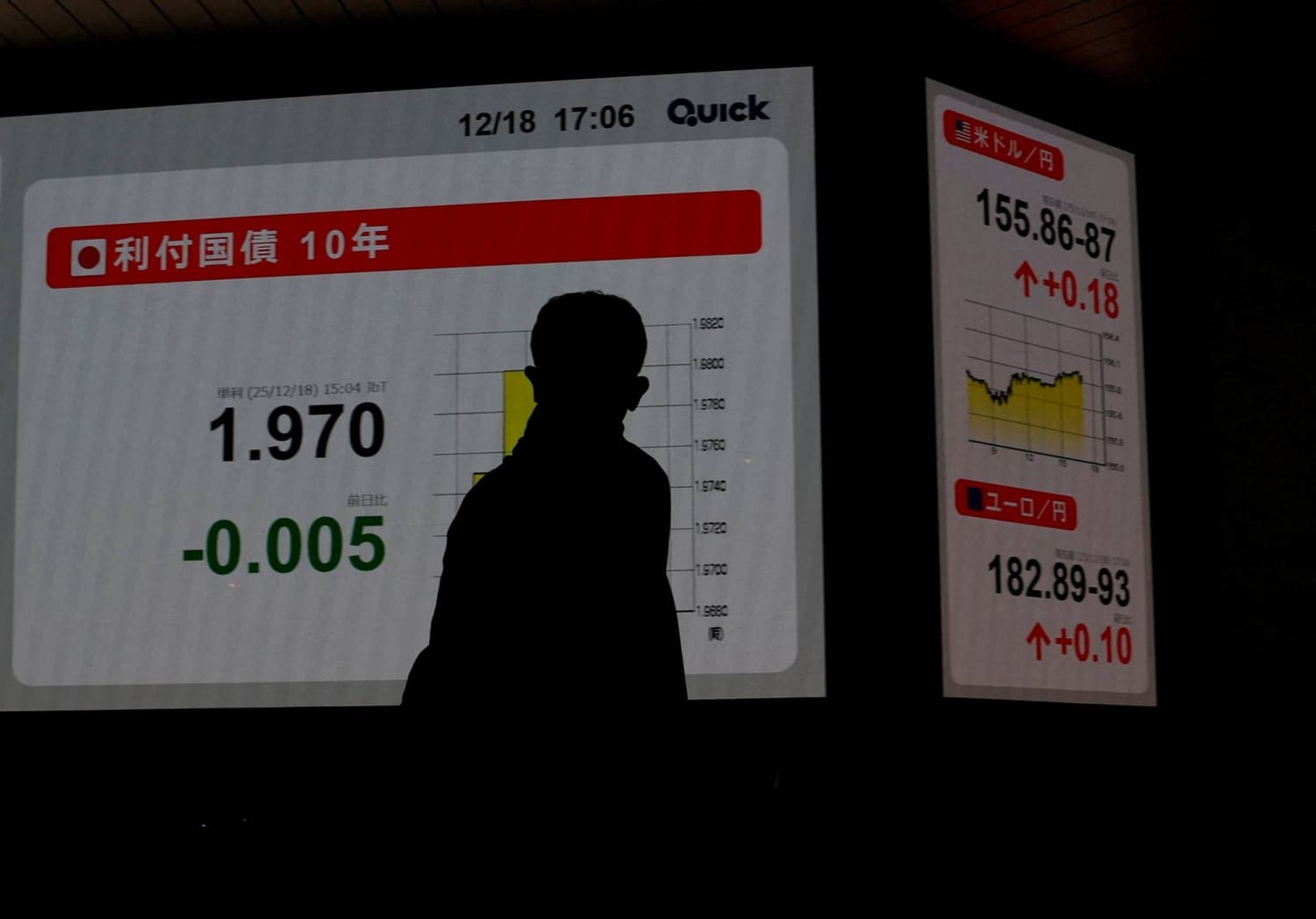
- ·Japan is set to raise its assumed interest rate on government bonds to 3.8% for fiscal year 2027, one of the highest planning assumptions in over a decade.
- ·The revision reflects rising JGB yields and growing debt servicing costs for a nation with public debt exceeding 250% of GDP.
- ·Higher interest payment forecasts will tighten fiscal space for defense, infrastructure, and social programs as Tokyo navigates competing budget demands.
A Fiscal Assumption Under Pressure
Japan is preparing to increase the assumed interest rate on government bonds to 3.8% for fiscal year 2027, a move that underscores the mounting challenges Tokyo faces in managing the world's largest public debt burden. The adjustment marks a significant shift in the Ministry of Finance's budgetary planning framework, which uses assumed rates to project future debt servicing obligations.
The assumed rate serves as a critical planning tool for Japanese fiscal authorities. It determines how much the government budgets for interest payments on outstanding bonds and influences medium-term expenditure projections. At 3.8%, the new assumption would represent one of the highest levels in over a decade, reflecting a fundamental recalibration of Japan's low-rate environment.
The Yield Backdrop
The revision comes as Japanese government bond yields have edged higher over the past year, driven by shifting Bank of Japan policy and global rate dynamics. Ten-year JGB yields have climbed from historical lows, pushing closer to levels last seen before the central bank's ultra-loose monetary regime took hold in 2013. While still modest by international standards, the rise carries outsized implications for a nation where public debt exceeds 250% of GDP.
Debt servicing costs are already a top-line item in Japan's annual budget, consuming roughly one-tenth of general account spending. A higher assumed rate translates directly into larger interest payment forecasts, constraining fiscal space for social programs, infrastructure, and defense outlays at a time when all three face competing demands.
Regional Context
Japan's fiscal trajectory stands in contrast to several Asian peers that have maintained tighter debt profiles. Singapore and South Korea both carry public debt ratios well below 70% of GDP, affording them greater maneuverability in rate environments. Even China, despite recent stimulus measures, operates with a central government debt ratio under 50%. Tokyo's unique position as both a mature economy and the issuer of a reserve currency has allowed it to sustain elevated debt levels without triggering market panic, but the margin for error narrows as rates normalize.
The assumed rate increase also arrives as regional central banks navigate their own policy pivots. The Reserve Bank of India has held rates steady amid inflation concerns, while Bank Indonesia has kept borrowing costs elevated to defend the rupiah. Japan's move signals that even the most dovish major economy in Asia is adjusting to a world where zero rates are no longer the baseline.
Budget Implications
For fiscal planners in Kasumigaseki, the 3.8% assumption will shape budget submissions across ministries. Higher interest outlays mean tougher trade-offs elsewhere. Defense spending, already on an upward path, competes with pension and healthcare costs that rise automatically as Japan's population ages. Infrastructure renewal, particularly in aging urban centers and disaster-prone regions, cannot be deferred indefinitely.
The Ministry of Finance has historically used conservative rate assumptions to build in a fiscal cushion. If actual market rates come in below the assumed level, the government enjoys a budgetary windfall. Conversely, if yields overshoot, supplementary budgets or spending cuts become necessary. The 3.8% figure suggests officials are pricing in a scenario where the BOJ's policy rate and term premiums settle at levels meaningfully above recent norms.
What Comes Next
Market participants will watch whether the assumption proves prescient or overly cautious. JGB auction results, BOJ policy statements, and inflation data will all feed into the actual cost of borrowing over the next two years. If yields remain contained, Tokyo gains breathing room. If they climb further, the 3.8% assumption may prove optimistic, forcing another upward revision in subsequent fiscal plans.
For now, the planned increase serves as a marker of Japan's quiet fiscal reckoning. Decades of ultra-low rates masked the true cost of debt accumulation. As that era fades, even incremental rate moves carry billion-dollar consequences for a budget already stretched thin. The 3.8% assumption is less a forecast than a signal: Japan is preparing for a world where cheap money is no longer guaranteed.
RELATED STORIES

Japan's Consumer Prices Accelerate in July as BOJ Eyes Further Tightening
Aiko Nakamura · 2 min
Japan's Core Inflation Climbs to 1.8 Percent in July
Aiko Nakamura · 3 min
US Treasury Buyback Surge Signals Possible Fresh Yen Support
Cheng Wei-Lun · 3 min
Japan Considers Tax Incentives to Draw Individual Bond Buyers
Aiko Nakamura · 3 min
Spot something wrong? Email editor@briefasia.com. We log every correction publicly.