Finance · Markets
Japan's Core Inflation Climbs to 1.8 Percent in July
Rising import costs and Middle East tensions push consumer prices higher, setting the stage for another Bank of Japan rate increase in September.
KEY TAKEAWAYS
- ·Japan's core consumer price index rose 1.8 percent year-on-year in July, up from 1.6 percent in June, driven by weaker yen and energy costs.
- ·Service-sector inflation climbed to 1.2 percent as companies begin passing rising labour costs to consumers in a tight job market.
- ·The Bank of Japan is widely expected to raise rates to 1.25 percent at its September 17-18 meeting, with a potential shift to more aggressive tightening thereafter.
Price Pressures Build
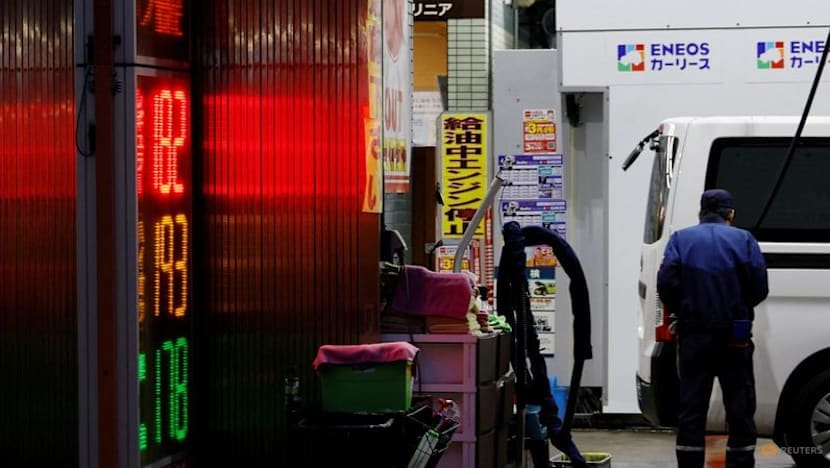
Japan's core consumer inflation quickened in July, climbing to 1.8 percent year-on-year from 1.6 percent in June, according to government data released Friday. The acceleration reflects mounting cost pressures from a weaker yen and elevated energy prices tied to geopolitical instability in the Middle East.
The core consumer price index, which strips out volatile fresh food but includes energy, matched analyst expectations. It marks the seventh consecutive month inflation has remained below the Bank of Japan's 2 percent target, though the gap is narrowing. Government fuel subsidies continue to suppress headline figures, masking underlying price momentum that many economists believe will soon breach the target threshold.
An alternative measure that excludes both fresh food and fuel, often viewed as a cleaner gauge of underlying inflation, rose 1.9 percent in July, up from 1.7 percent the previous month. The uptick suggests that price pressures are broadening beyond import-driven categories and beginning to reflect domestic cost dynamics.
Services and Goods Diverge
Goods prices surged 2.7 percent year-on-year in July, driven largely by the pass-through of higher raw material costs that manufacturers have absorbed over recent quarters. The yen's depreciation has amplified the impact of elevated commodity prices, particularly in food and consumer products.
Service-sector inflation, while more subdued, edged up to 1.2 percent from 1.1 percent in June. The gradual acceleration signals that companies are starting to embed rising labour costs into prices, a shift the Bank of Japan has been watching closely as evidence of sustained inflation. With Japan's job market still tight, wage growth is creating cost pressures that service providers can no longer easily absorb.
Policy Implications
The July inflation data arrives ahead of the Bank of Japan's September 17-18 policy meeting, where most market participants expect the central bank to raise its policy rate to 1.25 percent from the current 1 percent. The bank lifted rates to a 31-year high of 1 percent in June, then held steady in July while issuing its most explicit warning yet about inflation risks.
Masato Koike, senior economist at Sompo Institute Plus, expects the September hike to proceed. He points to renewed tensions in the Middle East, which are likely to sustain upward pressure on crude oil prices, and the persistent weakness of the yen, which amplifies import costs across a wide range of goods.
Market sources indicate the Bank of Japan is also considering a more aggressive tightening path beyond September, potentially moving away from the current cadence of roughly two rate increases per year. That shift would reflect growing confidence that inflation is becoming entrenched rather than transitory, even as headline figures remain temporarily suppressed by subsidy programmes.
What Comes Next
Economists anticipate that core inflation will climb above the 2 percent target in the coming months. The spike in wholesale prices observed earlier this year is now working its way through to retail, and the rollback or expiry of fuel subsidies would immediately lift headline numbers.
For policymakers, the challenge is balancing the need to contain inflation expectations with the risk of choking off a still-fragile recovery in consumer spending. July's data reinforces the view that inflation is no longer a distant concern but an active variable in Japan's monetary calculus, one that is pushing the central bank toward a path it has not walked in decades.
RELATED STORIES

Japan's 10-Year Bond Yield Hits 30-Year High Amid Rate Hike Bets
Aiko Nakamura · 2 min
Japan's 10-Year Bond Yield Hits Highest Level Since 1996
Aiko Nakamura · 3 min
Japan Considers Tax Incentives to Draw Individual Bond Buyers
Aiko Nakamura · 3 min

Japan Holds Ground on Yen Support Despite Giving Back Half Its Gains
Cheng Wei-Lun · 4 min
Spot something wrong? Email editor@briefasia.com. We log every correction publicly.