Finance · Markets
Japan Holds Ground on Yen Support Despite Giving Back Half Its Gains
Tokyo's currency authority stands firm after the yen retraced roughly half the ground it gained from July's historic joint US-Japan intervention

KEY TAKEAWAYS
- ·Japan's currency authority maintains its commitment to yen stability despite the currency surrendering roughly half the gains from the July 31 joint US-Japan intervention, the first coordinated operation in 28 years.
- ·The Federal Reserve's repo facility and Treasury involvement have expanded Japan's intervention capacity, reflecting recognition that single-country actions cannot manage today's scale of foreign exchange flows.
- ·Bond markets are pricing in faster Bank of Japan rate increases as expectations grow that Tokyo will tighten monetary policy more aggressively to support the currency and stabilize financial conditions.
Intervention Gains Fade
Japan's currency authorities are maintaining their resolve even as the yen has given back roughly half the appreciation it secured following coordinated interventions that culminated in a joint US-Japan operation on July 31. That marked the first time the two nations had worked together to support the Japanese currency in 28 years, underscoring the severity of concerns about disorderly exchange rate movements.
The yen's retreat in recent weeks has not shaken Tokyo's commitment to currency stability. Japanese Finance Minister Satsuki Katayama, working alongside Prime Minister Sanae Takaichi and US Treasury Secretary Scott Bessent, has signaled that the effort to stabilize currency and bond markets extends beyond single-country actions. The scale of today's foreign exchange flows has outgrown what unilateral intervention can effectively manage.
A Broader Campaign
The July 31 intervention represented one component of a wider strategy to strengthen the yen and restore order to Japan's financial markets. Treasury Secretary Bessent has described the US involvement as necessary to contain currency risks that threatened to ripple across Asia. The decision to intervene jointly reflected pragmatism wrapped in diplomatic language about friendship and alliance.
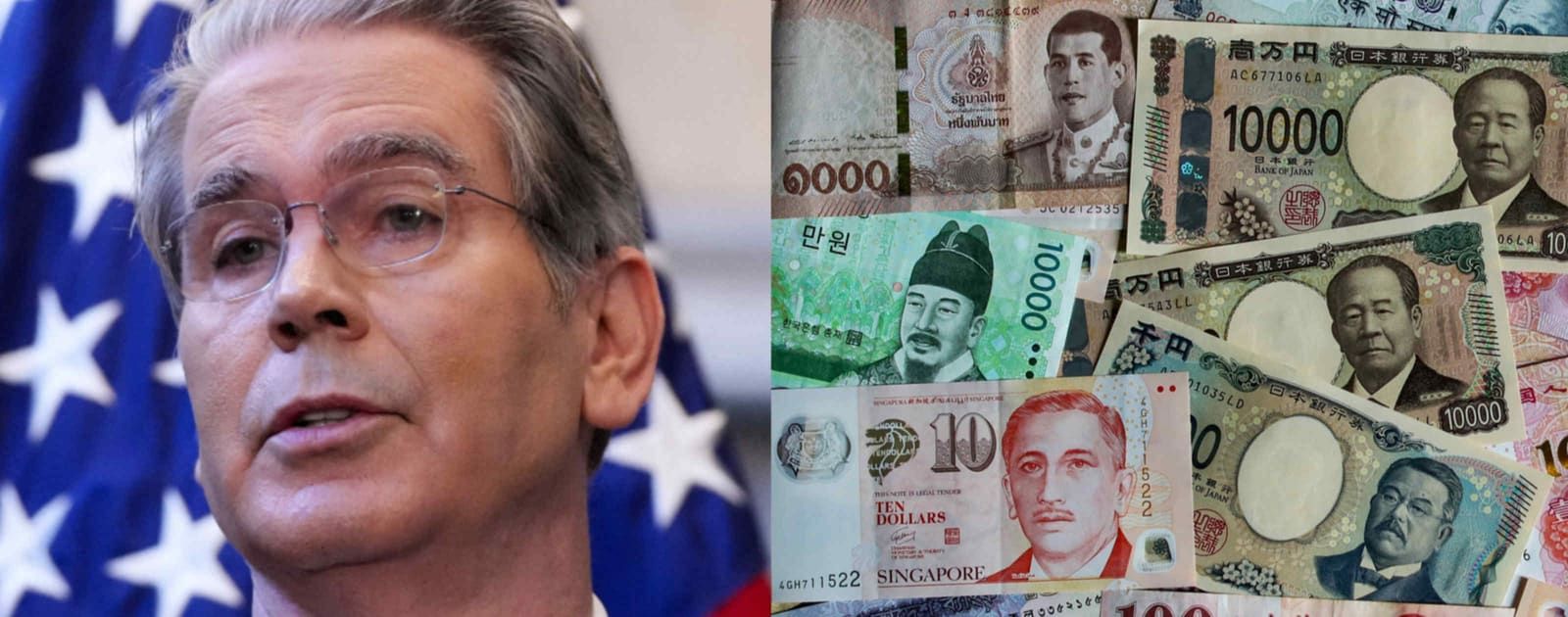
South Korea was also seen conducting its own currency market operations around the same time, suggesting that Asia's monetary authorities recognized the potential for contagion if the yen's slide continued unchecked. The coordinated nature of these moves put other regional currencies on notice that sudden, destabilizing depreciation would draw official responses.
Where the Intervention Yen Goes
Japan's currency interventions involve the Ministry of Finance selling dollar reserves and buying yen, which raises questions about the mechanics and ultimate destination of the purchased currency. The yen acquired through intervention flows back into the financial system, affecting liquidity conditions and interbank markets. The scale of recent operations has been substantial enough to influence short-term interest rates and money market dynamics.
The Federal Reserve's decision to offer a repo facility to support these efforts added a new dimension. By providing a mechanism for managing dollar liquidity, the Fed effectively backstopped Japan's intervention capacity, ensuring Tokyo would not run short of ammunition in currency markets. This facility became a key element in the broader campaign to stabilize the yen.
Market Expectations Shift
Bond markets have begun pricing in faster rate increases from the Bank of Japan, reflecting growing expectations that Tokyo will need to tighten monetary policy more aggressively to support the currency. Yields have climbed as investors anticipate that the BOJ will move beyond its ultra-loose stance sooner than previously expected. The central bank's policy trajectory has become a central factor in currency market dynamics.
The yen had reached multidecade lows before the intervention, prompting urgent consultations between Japanese and American officials. Those levels threatened to destabilize trade flows, inflate import costs for Japanese consumers and businesses, and create uncertainty for multinational corporations operating across the Pacific. The intervention aimed to draw a line against further depreciation and signal that authorities would not tolerate disorderly market conditions.
Strings Attached
While the joint intervention demonstrated alliance solidarity, it came with implicit conditions. The US commitment to supporting the yen was not unconditional; it reflected American concerns about financial stability in Asia and the potential for currency volatility to complicate Federal Reserve policy. Treasury Secretary Bessent's involvement signaled that Washington views orderly currency markets as a strategic interest, not merely a favor to an ally.
Japan's currency authority has made clear it retains the tools and willingness to act again if market conditions warrant. The fact that the yen has retraced half its gains has not triggered panic in Tokyo, suggesting officials view some give-back as normal market behavior rather than a failure of intervention. The question now is whether the current exchange rate level represents a sustainable equilibrium or whether further action will be needed.
The parallel to the 1985 Plaza Accord, when major economies coordinated to weaken the dollar and strengthen the yen, has entered market commentary. While the current situation differs in important respects, the willingness of the US and Japan to coordinate currency policy marks a significant shift. It suggests that both nations recognize the limits of unilateral action in markets that trade trillions of dollars daily.
What Comes Next
Currency traders are watching closely for signals about whether Japanese authorities will tolerate further yen weakness or intervene again to defend recent gains. The BOJ's next policy moves will be equally important, as market participants assess whether Tokyo is prepared to raise interest rates faster than previously signaled. The interplay between intervention, monetary policy and market sentiment will determine whether the yen stabilizes at current levels or resumes its slide.
For now, Japan's message remains clear: the battle against yen depreciation continues, and the toolkit extends beyond Tokyo's own resources. The involvement of the US Treasury and the Fed's repo facility have changed the dynamics, giving Japan more firepower and sending a message to currency speculators that betting against the yen carries risks. Whether that message holds will depend on economic fundamentals, policy follow-through and the willingness of both governments to act again if needed.
RELATED STORIES

Bank of Japan Eyes September Rate Increase and Faster Tightening Cycle
Aiko Nakamura · 3 min

Japanese Corporations Double Commercial Paper Holdings to 17-Year High
Aiko Nakamura · 3 min

Japan's Capital Repatriation Push Tests Global Portfolio Strategies
Cheng Wei-Lun · 3 min
Washington's Yen Intervention Signals Broader Currency Pressure Across Asia
Priyanka V. Rao · 4 min
Spot something wrong? Email editor@briefasia.com. We log every correction publicly.