Finance · Markets
Japan's Capital Repatriation Push Tests Global Portfolio Strategies
Policy efforts to strengthen the yen and redirect domestic savings are forcing international investors to recalibrate their Japan exposure amid structural market shifts

KEY TAKEAWAYS
- ·Japanese policymakers are encouraging domestic investors to repatriate capital in an effort to support the yen and stimulate domestic economic growth.
- ·International institutional investors are reassessing Japan's role in their portfolios as the country undergoes structural corporate and wage reforms.
- ·Any significant reversal of Japanese capital outflows could affect liquidity and pricing in global fixed income markets, particularly U.S. Treasuries and European bonds.
A Strategic Shift in Tokyo
Japanese policymakers have begun steering domestic investors toward repatriating capital, a move designed to shore up the yen and inject momentum into the country's economy. The initiative marks a departure from decades of capital outflows that saw Japanese institutional money flood into overseas bonds, equities, and alternative assets in search of higher returns.
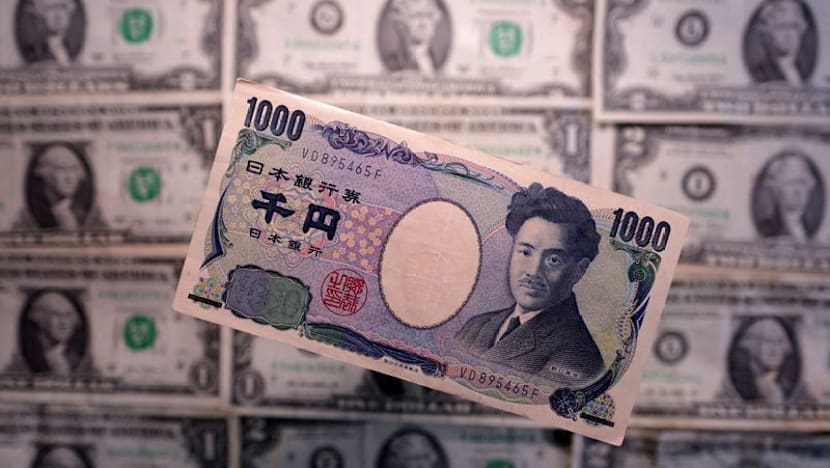
The policy push comes as the yen has weakened significantly against major currencies over the past two years, raising concerns about import costs and financial stability. By encouraging pension funds, insurers, and other large asset owners to bring money home, Tokyo aims to create domestic demand for yen-denominated assets while reducing reliance on foreign capital markets.
Institutional Investors Reassess Positions
International investors are now reevaluating how Japan fits into their global portfolios. For years, many sovereign wealth funds and pension funds viewed Japanese assets primarily through the lens of carry trades and yield opportunities, exploiting the country's ultra-low interest rate environment. That calculus is shifting.
Large asset owners are beginning to examine Japan not simply as a funding currency source or a mature, low-growth market, but as an economy experiencing structural transformation. Corporate governance reforms, wage growth initiatives, and Tokyo Stock Exchange mandates for companies to improve capital efficiency have altered the investment landscape.
The repatriation drive adds another layer of complexity. If domestic Japanese investors reduce their foreign holdings and increase home bias, it could affect liquidity and pricing in markets where Japanese capital has been a steady presence, particularly U.S. Treasuries, European government bonds, and certain emerging market debt.
Capital Flows and Currency Dynamics
Japan's institutional investors have been among the world's largest cross-border asset allocators. Life insurance companies and pension funds, facing minimal domestic yields for decades, accumulated substantial foreign bond portfolios. Any meaningful reversal of those flows would ripple through global fixed income markets.
The question for international fund managers is whether this represents a temporary policy-driven adjustment or a longer-term reallocation trend. If Japanese institutions pare back overseas exposure, it could reduce demand for dollar and euro assets, potentially affecting yields and exchange rates beyond Tokyo's immediate control.
Currency hedging costs also factor into the decision. Japanese investors have historically hedged significant portions of their foreign currency exposure. As hedging costs fluctuate with interest rate differentials, the attractiveness of foreign versus domestic assets shifts accordingly, influencing capital flow decisions.
Corporate Japan's Transformation
Beyond the immediate policy measures, Japan's corporate sector is undergoing changes that merit closer scrutiny from global investors. The Tokyo Stock Exchange has pressed listed companies to address price-to-book ratios below one, spurring share buybacks, dividend increases, and strategic reviews of cross-shareholdings.
Wage growth, long stagnant in Japan, has begun to pick up, with major corporations agreeing to larger pay increases in recent labor negotiations. This shift, if sustained, could strengthen domestic consumption and reduce Japan's export dependence, altering the risk-return profile of Japanese equities.
International investors are weighing whether these structural changes justify higher allocations to Japanese stocks, even as the repatriation narrative suggests domestic capital may stay closer to home. The interplay between policy-driven capital flows and fundamental corporate improvements creates both uncertainty and opportunity.
What Comes Next
The effectiveness of Japan's repatriation push will depend on multiple factors: the persistence of policy incentives, the relative attractiveness of domestic versus foreign yields, and the broader trajectory of the yen. If domestic economic growth accelerates and corporate returns improve, Japanese investors may find compelling reasons to stay home beyond policy nudges alone.
For global asset owners, the challenge is distinguishing between cyclical policy interventions and deeper structural trends. Japan has attempted various economic stimulus and reform measures over the past three decades with mixed results. Whether this latest effort proves more durable will shape portfolio decisions across Asia and beyond.
The repatriation theme also intersects with broader questions about currency diversification and regional capital flows in Asia. As Japan seeks to draw money back, other Asian economies continue to integrate into global capital markets, creating a complex, shifting landscape for institutional allocators.
International investors are not abandoning Japan, but they are recalibrating. The days of viewing the country purely as a low-cost funding source or a stable, predictable market are giving way to a more nuanced assessment of a nation attempting to rewrite its economic playbook while managing the unintended consequences of decades of unconventional monetary policy.
RELATED STORIES
Japan's Yen Hovers Near Intervention Threshold as Rate Gap Persists
Cheng Wei-Lun · 3 min
US Intervenes in Currency Markets to Shield Treasury Yields From Japanese Yen Volatility
Cheng Wei-Lun · 4 min

Bank of Japan Eyes September Rate Increase and Faster Tightening Cycle
Aiko Nakamura · 3 min

Japanese Corporations Double Commercial Paper Holdings to 17-Year High
Aiko Nakamura · 3 min
Spot something wrong? Email editor@briefasia.com. We log every correction publicly.