Finance · Markets
Japanese Corporations Double Commercial Paper Holdings to 17-Year High
Short-term corporate debt investments surge as firms seek liquid parking spots for cash amid shifting interest rate environment
KEY TAKEAWAYS
- ·Japanese corporate holdings of commercial paper have doubled over two years, reaching the highest level since 2009 as firms adjust cash management strategies.
- ·The shift reflects companies seeking liquidity and modest returns on cash reserves as inflation erodes the value of idle deposits in a changing rate environment.
- ·The trend underscores evolving corporate treasury practices across Asia, where firms balance operational flexibility with the need to preserve purchasing power amid persistent inflation.
A Quiet Shift in Corporate Treasury
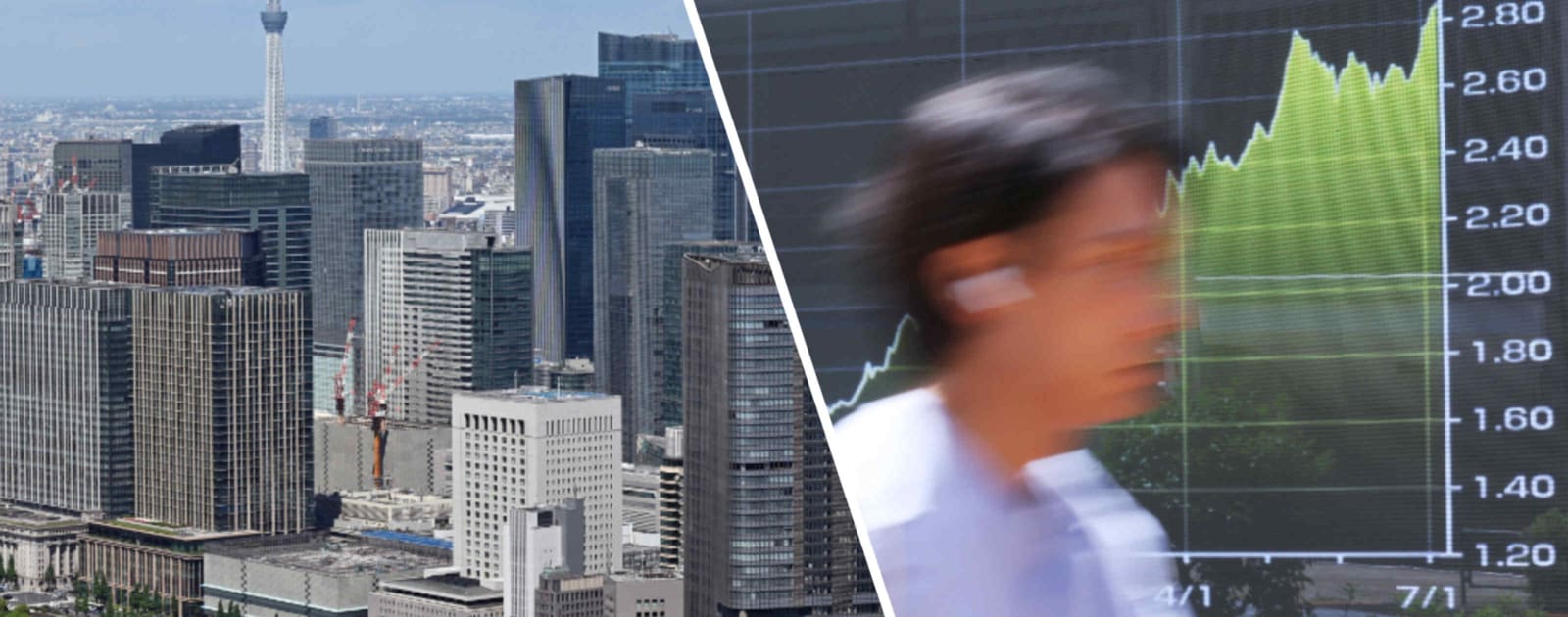
Corporate treasurers across Japan have been making a calculated move: loading up on commercial paper at a pace unseen in nearly two decades. Holdings of these short-term corporate bonds have doubled over the past two years, marking the highest level since 2009.
The shift reflects a broader recalibration in how Japanese firms manage their cash reserves. Commercial paper, typically maturing in 270 days or less, offers a middle ground between holding idle cash and locking funds into longer-term instruments. For companies sitting on substantial yen reserves, the appeal has grown as inflation pressures and interest rate dynamics reshape the landscape.
Why the Rush into Short-Term Debt
The doubling of commercial paper holdings signals a preference for liquidity over long-term commitments. Japanese corporations have historically favored conservative cash management, often parking funds in bank deposits or ultra-safe government bonds. But the inflation environment has nudged treasurers to seek instruments that preserve flexibility while offering marginally better returns than deposit accounts.
Commercial paper fits that profile. It provides a yield pickup over cash without the duration risk of longer-term bonds. As the Bank of Japan navigates its own policy adjustments, firms appear to be hedging their bets by keeping maturities short and maintaining the ability to pivot quickly if market conditions shift.
The move also reflects confidence in domestic credit markets. Commercial paper is unsecured debt, relying on the issuer's creditworthiness. The willingness to double exposure suggests that corporate buyers remain comfortable with counterparty risk among Japanese issuers, even as global financial conditions tighten.
The Inflation Backdrop
Japan's inflation trajectory has been the defining economic narrative of recent years. After decades of deflation and stagnant prices, the country has experienced a persistent uptick in consumer prices, driven by global commodity costs, supply chain disruptions, and a weaker yen. For corporate finance teams, this shift has upended the traditional playbook.
Holding cash in a zero-rate environment made sense when deflation meant purchasing power was stable or even rising. But with inflation eroding real returns, companies have had to rethink where they park short-term funds. Commercial paper, with maturities that allow for frequent reinvestment, offers a way to stay nimble in an uncertain rate environment.
The Bank of Japan's policy stance has added another layer of complexity. While the central bank has begun to inch away from its ultra-loose monetary policy, the path remains gradual and carefully calibrated. That cautious approach has kept short-term rates low enough to make commercial paper attractive, but high enough to justify the shift away from zero-yielding deposits.
Asia's Cash Management Evolution
Japan's move mirrors broader trends across Asia, where corporate cash management is evolving in response to higher inflation and interest rate volatility. Firms in South Korea, Singapore, and Hong Kong have similarly adjusted their liquidity strategies, balancing the need for operational flexibility with the desire to extract some return on idle funds.
The commercial paper market in Japan is among the deepest in the region, supported by a robust network of issuers and institutional buyers. The doubling of holdings underscores the market's capacity to absorb increased demand without significant disruption to pricing or liquidity.
For regional treasurers watching Japan's experience, the lesson is clear: short-term debt markets can absorb significant flows when inflation and rate uncertainty create demand for flexible instruments. The challenge will be maintaining that liquidity if credit conditions deteriorate or if central banks accelerate tightening cycles.
What Comes Next
The sustainability of this trend depends on several factors. If inflation pressures moderate and the Bank of Japan maintains its gradual approach, commercial paper is likely to remain a favored parking spot for corporate cash. But if rates rise sharply or credit spreads widen, firms may reassess their exposure to unsecured short-term debt.
The 17-year high in holdings also raises questions about market depth. While the commercial paper market has handled the inflows so far, a sudden reversal could test liquidity, particularly if multiple large holders seek to exit simultaneously.
For now, Japanese corporations appear committed to the strategy. The doubling of holdings reflects not just a tactical shift, but a broader acknowledgment that the low-rate, deflationary era that defined Japan's economy for decades has given way to a new set of conditions. How firms navigate that transition will shape corporate finance strategies across the region for years to come.
RELATED STORIES
Bank of Japan Eyes September Rate Increase and Faster Tightening Cycle
Aiko Nakamura · 3 min

Japan's Core Inflation Edges Up to 1.8% Amid Energy Pressure
Aiko Nakamura · 2 min
Japan's Yen Hovers Near Intervention Threshold as Rate Gap Persists
Cheng Wei-Lun · 3 min
Japanese Investors Pour Money Into Foreign Assets After Yen Intervention
Cheng Wei-Lun · 3 min
Spot something wrong? Email editor@briefasia.com. We log every correction publicly.