Asia · Politics
Japan's Takaichi Doubles Down on Allied Ties as Beijing Turns Up the Heat
Prime minister has visited 11 countries since October, prioritizing U.S. and Southeast Asian partners while navigating China's diplomatic offensive
KEY TAKEAWAYS
- ·Japanese Prime Minister Sanae Takaichi has traveled to 11 countries in ten months, focusing on the United States and Southeast Asian nations rather than pursuing broader regional engagement.
- ·China has intensified public criticism of Japan on the international stage, with Beijing raising concerns about Japanese militarism and maintaining frosty diplomatic channels with Tokyo.
- ·Takaichi's selective travel pattern contrasts with predecessor Shinzo Abe's approach and includes skipping a NATO summit, raising questions about Tokyo's European engagement strategy.
A Selective Travel Calendar
Japanese Prime Minister Sanae Takaichi has completed visits to 11 countries in the ten months since assuming office last October, a travel schedule that reveals clear strategic priorities. The itinerary has concentrated heavily on the United States and Southeast Asian nations, reflecting Tokyo's calculus as it navigates an increasingly hostile diplomatic environment shaped by Beijing.
The focus on allied and like-minded capitals comes as China has intensified public criticism of Japan across multiple forums, putting pressure on Tokyo's international standing. Takaichi's approach marks a deliberate choice to deepen existing partnerships rather than attempt broader engagement across the region.
The India Connection
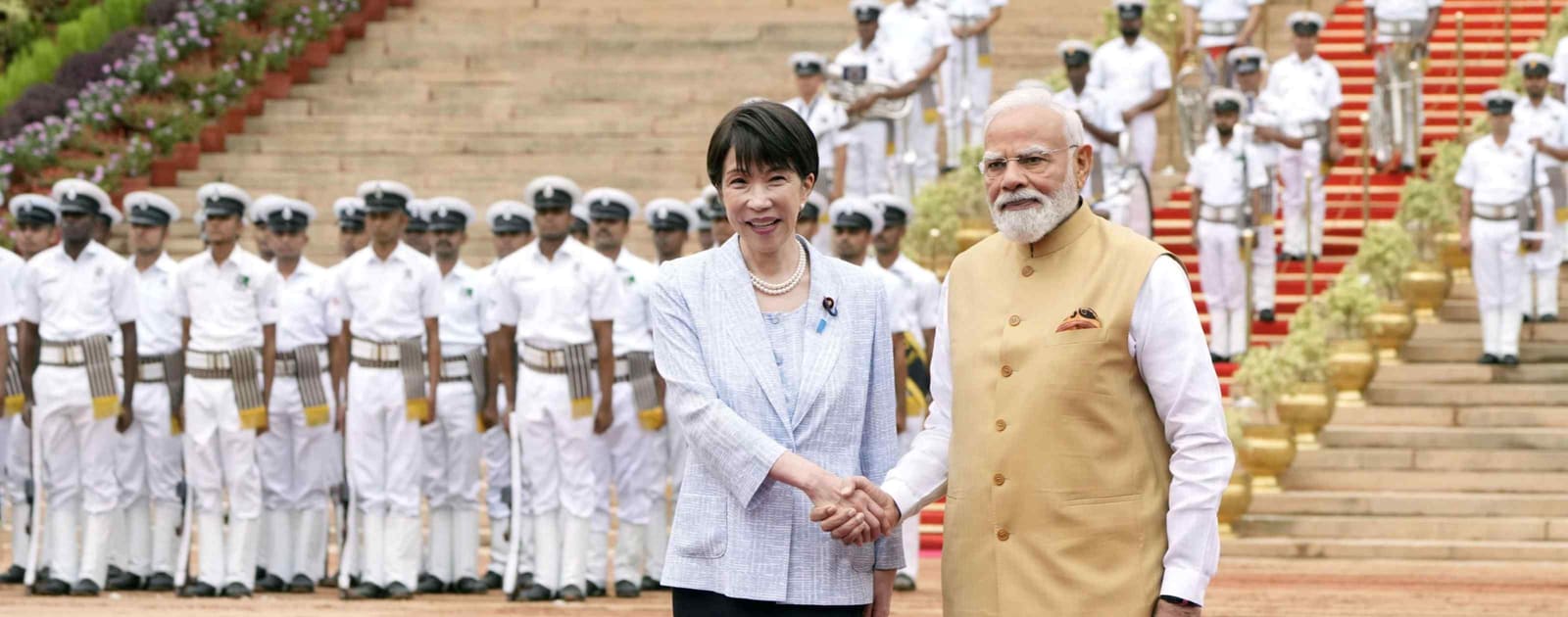
Takaichi's July visit to New Delhi underscored the importance Tokyo places on its relationship with India. The prime minister met with Indian Prime Minister Narendra Modi on July 2, continuing a pattern of high-level engagement between the two democracies that has accelerated in recent years.
The India stop fits within Japan's broader Indo-Pacific strategy, which positions New Delhi as a critical counterweight in regional security architecture. Trade corridors, defense technology cooperation, and infrastructure development in third countries have become pillars of the bilateral relationship, with both governments seeking alternatives to China-centric supply chains.
Southeast Asia's Central Role
Takaichi has devoted considerable attention to Southeast Asian countries, recognizing the region's strategic significance in Japan's foreign policy. The Association of Southeast Asian Nations remains a contested space where Tokyo and Beijing compete for influence through investment, infrastructure financing, and security partnerships.
Japan has long cultivated ties across Southeast Asia through official development assistance and private sector investment, building networks that predate China's Belt and Road Initiative. Takaichi's visits aim to reinforce these relationships at a moment when several ASEAN members are recalibrating their positions between Washington and Beijing.
China's Diplomatic Offensive
Beijing has ramped up criticism of Japan on the international stage, with Chinese officials raising concerns about what they characterize as Japanese militarism and Tokyo's security posture. The rhetoric has found receptive audiences in some quarters, particularly among countries with historical grievances or close economic ties to China.
China replaced a diplomat previously known for a controversial "hands in pockets" incident with Japan, signaling both continuity in its tough stance and a tactical adjustment in personnel. The incident, which drew widespread attention in diplomatic circles, exemplified the tensions that have characterized recent bilateral interactions.
Reports emerged that China's foreign minister did not hold discussions with Japanese counterparts during a period when such contact might normally be expected, highlighting the chill in formal diplomatic channels. Tokyo has also noted a two-month silence in phone diplomacy from the prime minister's office, an unusual gap that reflects the strained state of relations.
The Abe Shadow
Takaichi's travel record invites comparison to her political mentor, former Prime Minister Shinzo Abe, whose globe-trotting diplomacy set a high bar for Japanese leaders. Abe's approach emphasized personal relationships with world leaders and a willingness to engage across a broader geographic span, including regular participation in multilateral summits.
Takaichi's more selective travel pattern may reflect both the current international climate and a different diplomatic style. The prime minister notably skipped a NATO summit, forgoing an opportunity for European diplomacy that previous Japanese leaders might have prioritized. That absence raised questions in some policy circles about Tokyo's commitment to transatlantic coordination, even as Japan has deepened security ties with NATO members bilaterally.
The Alliance Calculus
Washington remains the cornerstone of Takaichi's diplomatic calendar, consistent with decades of Japanese foreign policy that places the U.S. alliance at its center. Recent coordination on yen intervention underscored the pragmatic dimension of the relationship, with both governments balancing economic management against the optics of policy independence.
The U.S.-Japan alliance has taken on renewed importance as both countries confront challenges from China's military modernization and North Korea's weapons programs. Tokyo has increased defense spending and moved toward more active security roles in the region, shifts that align with Washington's strategic priorities but also draw Beijing's ire.
Regional Fault Lines
Japan's diplomatic positioning reflects broader fault lines in Asian geopolitics. China's criticism of Tokyo resonates differently across the region depending on historical memory, economic dependence, and security anxieties. Some governments welcome Japan's presence as a hedge against Chinese dominance, while others remain wary of any perception that they are choosing sides in a great power competition.
Tokyo has sought new approaches to secure leadership positions at international organizations, recognizing that diplomatic influence increasingly depends on institutional presence. These efforts have met mixed results, as China leverages its own networks and resources to support rival candidates.
Looking Ahead
Takaichi's diplomatic strategy appears designed for a prolonged period of tension with China rather than a near-term thaw. The emphasis on consolidating relationships with established partners suggests Tokyo is preparing for continued pressure from Beijing while working to maintain its position in regional affairs.
The coming months will test whether this approach can sustain Japan's diplomatic standing in the face of China's more assertive regional posture. Much will depend on how effectively Tokyo can coordinate with Washington and other partners, and whether Southeast Asian nations continue to see value in balancing their relationships across major powers.
For now, Takaichi is keeping her friends close, betting that depth of partnership will matter more than breadth of engagement in an era of sharpening geopolitical competition across Asia.
RELATED STORIES

Japan's Rare Earth Imports Plunge 80% as China Tightens Export Controls
Aiko Nakamura · 3 min
Washington's Yen Intervention Signals Broader Currency Pressure Across Asia
Priyanka V. Rao · 4 min

BYD and Chinese EV Makers Challenge Japanese Dominance in Australia
Cheng Wei-Lun · 3 min

Japan's Core Inflation Edges Up to 1.8% Amid Energy Pressure
Aiko Nakamura · 2 min
Spot something wrong? Email editor@briefasia.com. We log every correction publicly.