Sustainability · Mobility
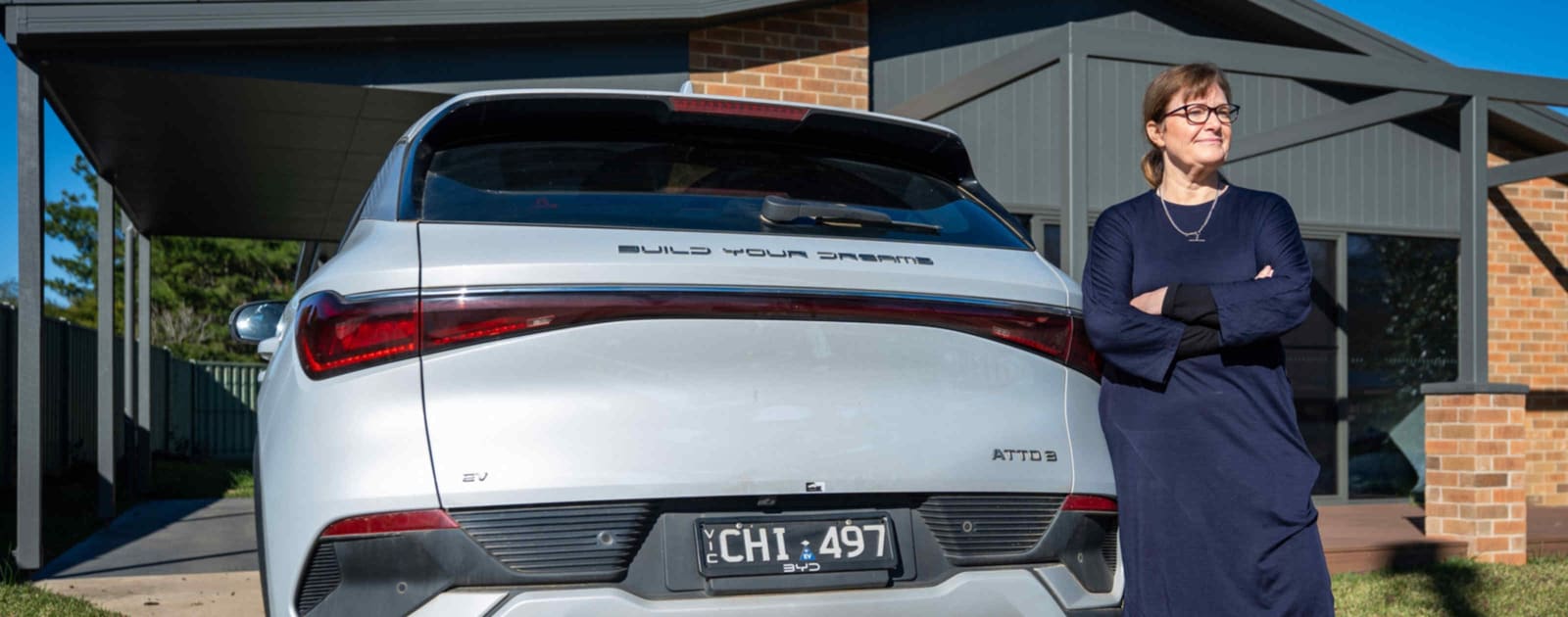
BYD and Chinese EV Makers Challenge Japanese Dominance in Australia
Rising fuel costs and policy support accelerate shift to electric vehicles, opening door for low-cost Chinese brands in market long controlled by Toyota and rivals
KEY TAKEAWAYS
- ·Chinese automakers led by BYD are gaining market share in Australia with low-cost electric vehicles as fuel prices climb due to U.S.-Iran conflict.
- ·Japanese brands including Toyota face pressure in a market they historically dominated, with hybrids losing appeal as EV economics improve.
- ·Australia's lack of domestic production and policy support for EVs creates opening for aggressive pricing strategies from Chinese manufacturers.
A Shifting Landscape
Australia's electric vehicle market is undergoing a rapid transformation as Chinese manufacturers deploy a strategy that has proven effective across emerging markets: affordable pricing meets favorable conditions. The country, which has long served as reliable territory for Japanese automakers, now faces an influx of competitively priced electric models from mainland China.
BYD stands at the forefront of this push, bringing vehicles to Australian showrooms at price points that undercut established players. The shift comes as fuel prices have climbed significantly since geopolitical tensions between the United States and Iran escalated into conflict, making the economics of electric ownership increasingly attractive to Australian drivers.
Price and Policy Converge
Two forces are reshaping buyer behavior. First, government policies have tilted in favor of electric vehicles, creating incentives that narrow the price gap between conventional and battery-powered cars. Second, sustained high fuel costs have altered the total-cost-of-ownership calculation for Australian households and fleet operators.
Japanese brands including Toyota, Mazda, and Subaru have historically commanded substantial market share in Australia, built on decades of reputation for reliability and service networks. That position now faces pressure from manufacturers who entered the electric transition earlier and at scale. Chinese automakers benefit from domestic supply chains that produce batteries and components at lower cost, advantages they translate into retail pricing.
Market Dynamics in Motion
The Australian market presents particular characteristics that make it vulnerable to disruption. It lacks domestic auto manufacturing, meaning all vehicles are imports competing on value proposition rather than national preference. The country's vast distances initially deterred electric adoption due to range anxiety, but improving battery technology and expanding charging infrastructure have reduced those concerns.
Chinese manufacturers also arrive without legacy dealer networks or brand loyalty to protect, allowing them to price aggressively for market share. BYD and peers can afford to operate on thinner margins during this land-grab phase, a strategy less available to Japanese competitors managing global product portfolios and profitability targets.
Japanese Response Under Scrutiny
Japanese automakers face a strategic dilemma. They invested heavily in hybrid technology, which made sense when oil prices were stable and battery costs high. That calculus has shifted. Hybrids now occupy an awkward middle ground in markets where policy and fuel economics favor full electric, while their price premium over new Chinese EVs narrows.
Toyota's response will be closely watched. The company commands significant presence in Australia but has moved more cautiously into battery electrics than some rivals. Its hybrid strength, once an asset, risks becoming a liability if Australian buyers leapfrog that technology entirely. Mazda faces similar challenges; its redesigned CX-5 has struggled in the United States as fuel prices there have also favored electrified options.
Broader Regional Implications
Australia's experience reflects patterns visible across Asia-Pacific markets. Chinese EV exports have surged as domestic demand growth moderates, prompting manufacturers to seek volume elsewhere. Southeast Asian nations, New Zealand, and even parts of the Middle East have seen similar competitive dynamics.
The energy map has been redrawn by the U.S.-Iran conflict, which disrupted oil flows and sent prices higher across the region. That shock accelerated electric vehicle adoption timelines in countries that might otherwise have transitioned more gradually. Australia, with high per-capita incomes and sensitivity to fuel costs due to driving distances, proved particularly responsive.
Lithium miners in Australia, including companies like Pilbara Minerals, are responding to the global EV surge by expanding output. The country sits on substantial lithium reserves, creating a curious dynamic where Australian resources flow into Chinese battery production, which then powers vehicles sold back into the Australian market.
What Comes Next
The competitive landscape will likely intensify before it stabilizes. Chinese manufacturers are expanding model lineups and localizing operations, including service and parts infrastructure. Japanese automakers are accelerating their own electric programs, but time-to-market for new platforms means any response will take years to fully materialize.
Price remains the sharpest tool in this contest. Global EV prices have begun falling below hybrid equivalents in some segments, a threshold that changes consumer psychology. Once electric vehicles are perceived as both cheaper to buy and cheaper to run, the transition becomes self-reinforcing.
For Japanese automakers, the Australia challenge is a microcosm of a larger question: whether established players can defend market share in the electric era against competitors unburdened by legacy technology and willing to sacrifice near-term margins for long-term position. The answer will shape not just Australia's roads, but the balance of power in the global auto industry.
RELATED STORIES
Japan's Rare Earth Imports Plunge 80% as China Tightens Export Controls
Aiko Nakamura · 3 min

Chinese Auto Brands Reshape European Market as Legacy Rivals Form Cost-Cutting Alliances
Cheng Wei-Lun · 4 min
Taiwan's Century Group Targets Record Revenue on Offshore Wind Boom
Cheng Wei-Lun · 3 min

Customs Enforcement Threatens Chinese Ecommerce Air Cargo Boom
Cheng Wei-Lun · 2 min
Spot something wrong? Email editor@briefasia.com. We log every correction publicly.