Asia · Trade
Japan's Rare Earth Imports Plunge 80% as China Tightens Export Controls
Dysprosium and yttrium shortages force materials companies to draw down stockpiles, threatening EV and semiconductor equipment production
KEY TAKEAWAYS
- ·Japanese imports of dysprosium and yttrium have fallen approximately 80% compared to two years ago due to Chinese export restrictions, forcing materials companies to draw down inventories to maintain deliveries.
- ·China controls roughly 70% of global rare earth mining and over 90% of processing capacity, using export licensing and quotas to restrict supply to Japan amid broader trade tensions.
- ·Japanese manufacturers are pursuing substitutes and alternative sources, but face technical barriers and cost increases exceeding 20%, with inventory buffers expected to last only several more quarters.
Supply Crunch Hits Critical Industries
Japanese materials companies are burning through rare earth stockpiles at an accelerating rate as Chinese export restrictions choke off access to elements essential for electric vehicle motors and semiconductor manufacturing equipment. Imports of dysprosium and yttrium have collapsed by approximately 80% compared to levels recorded two years earlier, according to industry data.
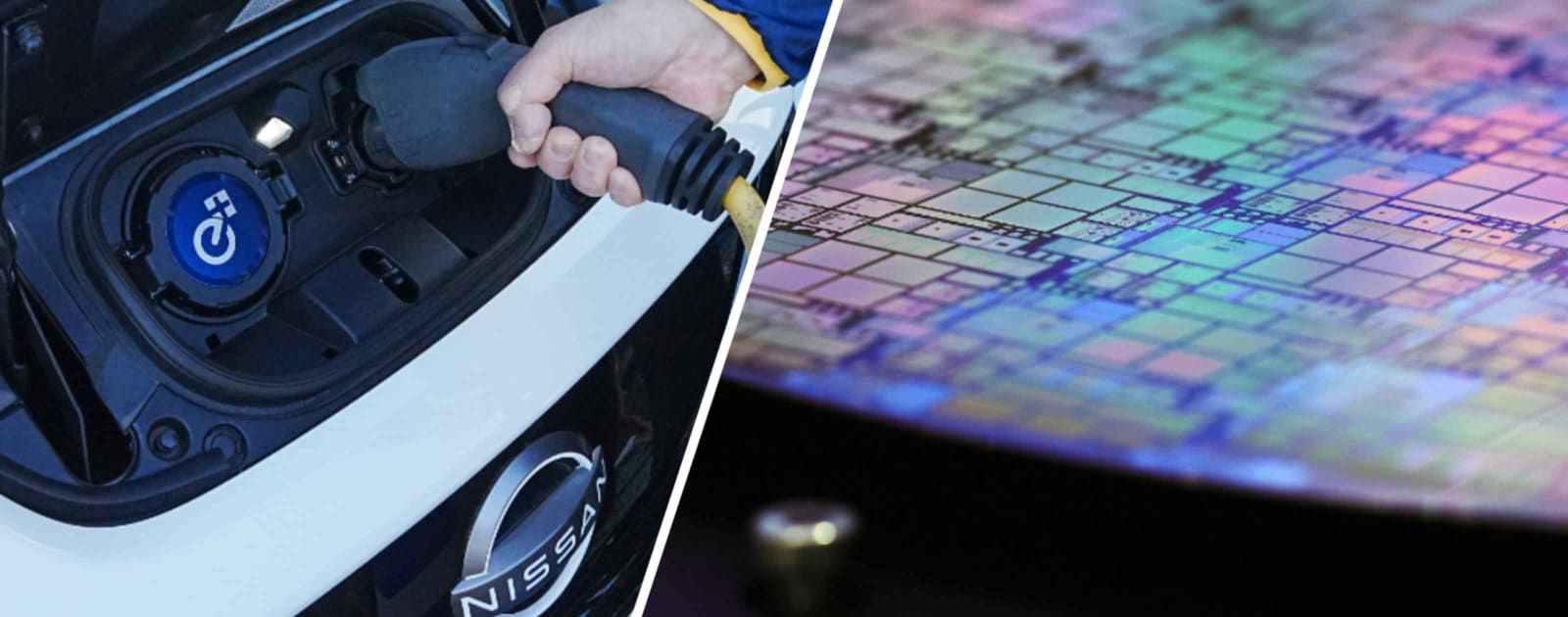
The shortfall threatens production chains across two of Asia's most strategically important technology sectors. Dysprosium strengthens the permanent magnets that power EV motors, enabling them to maintain performance at high temperatures. Yttrium plays a crucial role in ceramic components used in chipmaking tools, particularly those required for advanced lithography processes.
Materials suppliers in Tokyo, Osaka, and Nagoya have been managing deliveries to major automotive and electronics customers by tapping reserves accumulated before Beijing tightened export controls. Industry executives acknowledge this approach cannot continue indefinitely as inventory levels decline month over month.
Beijing's Strategic Leverage
China controls roughly 70% of global rare earth mining and more than 90% of processing capacity, a dominance built over three decades of industrial policy and infrastructure investment. The country has deployed export restrictions as a policy tool with increasing frequency since 2023, initially targeting specific elements used in defense applications before broadening controls to materials critical for civilian technology.
The current restrictions apply licensing requirements and quota systems that have effectively reduced the volume of rare earths flowing to Japan. While Beijing frames the measures as environmental and national security safeguards, the timing coincides with broader trade tensions between Washington and its Asian allies on one side and China on the other.
Japanese government officials have raised the supply issue in bilateral discussions but have yet to secure commitments that would restore previous import volumes. The lack of progress has pushed Tokyo to explore alternative sourcing strategies and accelerate domestic research into rare earth substitutes.
Industry Adaptation Under Pressure
Several Japanese manufacturers have launched initiatives to reduce rare earth content in products or eliminate these materials entirely. One automotive components maker recently began shipping sunroof motors for European car brands that use no rare earth elements, relying instead on ferrite magnets and redesigned motor architectures.
The shift comes with trade-offs. Ferrite-based motors typically deliver lower power density than rare earth alternatives, requiring larger housings or accepting reduced performance. Engineers have compensated through improved thermal management and control electronics, but the solutions add cost and complexity.
Semiconductor equipment makers face a more difficult substitution challenge. The extreme temperatures and chemical environments inside chip fabrication tools leave few alternatives to yttrium-stabilized ceramics. Companies in this sector have prioritized securing long-term supply agreements with non-Chinese sources, even at significantly higher prices.
Regional Scramble for Alternatives
Japan has intensified resource diplomacy across Latin America and Southeast Asia, signing memoranda of understanding with Ecuador and opening talks with Mercosur countries about rare earth exploration and processing partnerships. These efforts aim to establish supply chains outside Chinese control, but projects typically require five to ten years from discovery to production.
A Chinese-backed rare earth project in Laos, initially viewed as a potential alternative source for regional buyers, has encountered operational difficulties even as rare earth prices surge. The setback underscores the technical and financial barriers to quickly scaling new production capacity.
Costs have climbed sharply for Japanese buyers. A recent industry survey found rare earth expenses up more than 20% for firms dependent on these materials, with price gaps between Chinese domestic markets and international buyers widening substantially. The differential reflects both restricted supply and Beijing's interest in supporting domestic manufacturers.
What Comes Next
Tokyo has identified rare earth security as a priority in its economic statecraft, advocating for coordination with the United States, European Union, and other technology-producing nations. Proposals under discussion include joint stockpiling arrangements, shared funding for alternative mining projects, and collaborative research into material substitutes.
The immediate outlook remains challenging. Inventory drawdowns can sustain current production rates for several more quarters, according to materials company estimates, but a sustained recovery in import volumes or successful deployment of substitute materials will be necessary to avoid disruptions in EV and semiconductor equipment output.
The rare earth squeeze illustrates a broader vulnerability in Asian technology supply chains, where concentration of critical material processing in a single country creates leverage points that can be activated for strategic purposes. How Japan and its regional partners respond will shape the resilience of these industries for the next decade.
RELATED STORIES

BYD and Chinese EV Makers Challenge Japanese Dominance in Australia
Cheng Wei-Lun · 3 min

Formosa Plastics and Daicel Launch Chip Materials Joint Venture in Taiwan
Cheng Wei-Lun · 3 min
Japanese Business Confidence Jumps on Semiconductor Surge
Aiko Nakamura · 2 min
Warren Presses Bessent for Explanation on US Yen Intervention
Priyanka V. Rao · 3 min
Spot something wrong? Email editor@briefasia.com. We log every correction publicly.