Asia · Business
Japanese Business Confidence Jumps on Semiconductor Surge
Manufacturers hit highest sentiment level since March as chip demand accelerates; domestic consumption buoys services sector
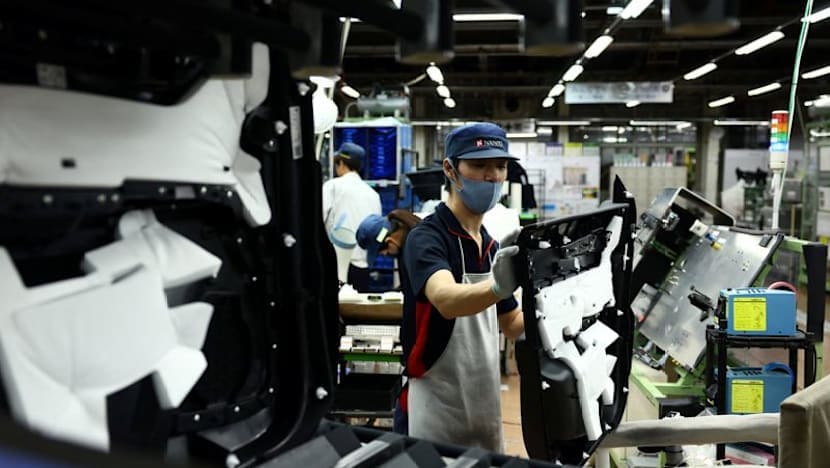
KEY TAKEAWAYS
- ·Japanese manufacturers' sentiment index rose to plus 18 in August from plus 13 in July, the highest level since March 2026, driven by semiconductor demand.
- ·Chemicals and metal machinery sub-indexes jumped sharply, with one precision machinery firm reporting double the normal order volume since April.
- ·Manufacturers expect sentiment to ease to plus 16 by November, signaling caution about sustaining momentum despite current strength.
Manufacturers Lead Sentiment Climb
Japanese business confidence strengthened in August, propelled by semiconductor-related industries and steady domestic consumption. The manufacturers' sentiment index reached plus 18, up from plus 13 in July, marking the strongest reading since March 2026, according to the latest monthly poll tracking corporate outlook.
Non-manufacturers posted a sentiment index of plus 28, rising from plus 25 the previous month. The survey, conducted between July 29 and August 6, captured responses from 219 of 510 companies polled. The indexes measure the gap between optimistic and pessimistic respondents, with positive figures signaling net confidence.
Chip Boom Drives Industrial Optimism
Semiconductor-related sectors powered the manufacturing gains. The chemicals sub-index jumped to plus 33 from plus 23, while metal and machinery climbed to plus 25 from plus 12. A machinery manufacturer noted in the survey that strong demand for semiconductor-related products had driven robust order intake across the board.
One precision machinery manager described conditions as unprecedented, with order volumes doubling since April in both domestic and overseas markets. "We are receiving twice the normal volume of orders, an unprecedented situation," the manager said.
The automotive sector presented a more mixed picture. Transport equipment sentiment held flat at zero, reflecting uneven conditions within the industry even as other manufacturing segments advanced.
Broad-Based Strength in Services
The services economy showed widespread improvement. Wholesale trade, information services, and other service industries all contributed to the non-manufacturing index's rise. The broad-based nature of the gains suggests domestic demand remains resilient across multiple sectors.
Japan's consumer spending has provided a steady foundation for service providers, offsetting some of the external uncertainties that have weighed on export-oriented manufacturers in recent quarters.
Forward Outlook Signals Caution
Looking ahead to November, manufacturers anticipate a modest pullback in sentiment, with the index expected to ease to plus 16. The forecast suggests companies remain watchful about sustaining current momentum amid global economic crosscurrents.
Non-manufacturers expect sentiment to hold steady at plus 28, indicating confidence in the domestic demand environment. The divergence between manufacturing and services outlooks highlights the different dynamics shaping each sector's near-term trajectory.
The monthly poll serves as a leading indicator for the Bank of Japan's quarterly Tankan survey, a closely watched gauge of corporate sentiment that informs monetary policy decisions. The central bank has maintained its accommodative stance while monitoring inflation and wage growth dynamics across the economy.
Japan's semiconductor industry has benefited from global supply chain shifts and rising capital expenditure by chipmakers seeking to expand capacity. The government has backed domestic chip production through subsidies and partnerships, aiming to secure supply chains for critical technologies.
The contrast between manufacturing's cautious forward view and the current strength in orders reflects broader questions about demand sustainability. While chip-related sectors enjoy robust conditions now, executives appear mindful of cyclical risks and potential shifts in global tech spending patterns.
Domestic consumption has emerged as a stabilizing force, supporting service industries even as manufacturers navigate export market volatility. The interplay between these dynamics will shape Japan's economic trajectory in the months ahead, with business sentiment offering an early read on corporate decision-making around investment and hiring.
RELATED STORIES
Japan's Trading Houses Defy Conglomerate Discount as Buffett's Successor Plans First Visit
Cheng Wei-Lun · 4 min
Japan's Government Debt Reaches ¥1.3 Quadrillion by End of June
Aiko Nakamura · 3 min
Ransomware Group Publishes Stolen Data From Japan's Nichirei
Jun-ho Seo · 3 min
TSMC and Sony Form $1.77 Billion Image Sensor Venture in Japan
Cheng Wei-Lun · 3 min
Spot something wrong? Email editor@briefasia.com. We log every correction publicly.