Finance · Markets
Japan Considers Tax Incentives to Draw Individual Bond Buyers
Finance Ministry and FSA eye retail investor perks as Bank of Japan reduces its government bond portfolio
KEY TAKEAWAYS
- ·Japan's Finance Ministry and Financial Services Agency are preparing tax incentive proposals for individual government bond buyers, targeting fiscal 2027 tax reforms.
- ·The initiative addresses the challenge of finding new bond demand as the Bank of Japan reduces its JGB holdings after years of dominating the market.
- ·Policymakers aim to broaden Japan's investor base and reduce concentration risk as the country manages the world's second-largest bond market.
Searching for New Buyers
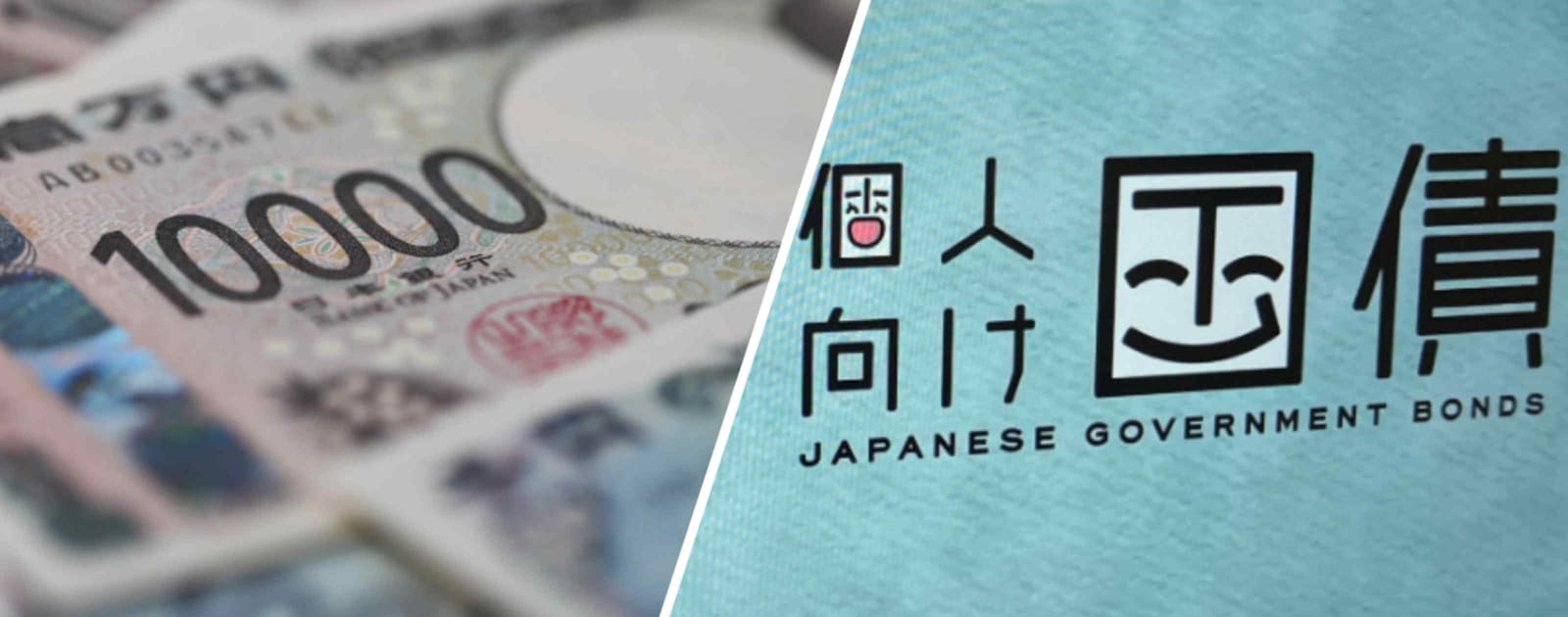
Japan's Finance Ministry and Financial Services Agency are preparing tax incentive proposals aimed at encouraging individual investors to buy government bonds, with the measures slated for inclusion in fiscal 2027 tax reform legislation.
The initiative responds to a pressing challenge: as the Bank of Japan reduces its massive holdings of Japanese government bonds, policymakers need to identify new sources of demand. For years, the central bank has been the dominant buyer in the JGB market, absorbing securities as part of its monetary easing campaign. That dynamic is now shifting.
The two agencies plan to present their recommendations to lawmakers for consideration during the next round of tax policy discussions. The specifics of the incentives have not been finalized, but the goal is clear: make government debt more attractive to households.
A Market in Transition
Japan's bond market has operated under unusual conditions for more than a decade. The Bank of Japan's aggressive asset purchases, part of its effort to combat deflation and stimulate growth, left the central bank holding roughly half of all outstanding JGBs at the program's peak. That intervention suppressed yields and reduced volatility, but it also distorted market dynamics and left few natural buyers on the sidelines.
As the BOJ begins unwinding its balance sheet, the government faces the task of ensuring smooth absorption of newly issued debt. Individual investors represent an underdeveloped segment of the market. Retail participation in JGBs has historically been modest compared to other advanced economies, where household bond ownership is more common.
Tax incentives could help close that gap. By reducing the tax burden on interest income or capital gains from government bonds, policymakers hope to make JGBs competitive with other savings vehicles available to Japanese households, including bank deposits and tax-advantaged investment accounts.
Fiscal Pressures and Funding Needs
The timing is critical. Japan carries the highest government debt-to-GDP ratio among major economies, and financing needs remain substantial. Annual bond issuance runs into the hundreds of trillions of yen, covering both deficit spending and refinancing maturing debt.
With the central bank stepping back, the composition of bond buyers will matter more. Foreign investors, domestic banks, insurance companies, and pension funds all play roles, but their appetites fluctuate with yield levels, currency expectations, and regulatory capital requirements. Retail investors, by contrast, tend to hold bonds longer and are less sensitive to short-term market swings.
Broadening the investor base also reduces concentration risk. If a few large institutions dominate demand, disruptions in their buying patterns can cause outsized moves in yields and complicate debt management.
Regional Context
Japan is not alone in Asia in seeking to deepen retail bond markets. South Korea and Taiwan have both introduced programs to encourage household participation in government debt, recognizing that diversified funding sources improve financial stability. In Southeast Asia, countries like Indonesia and Thailand have launched retail bond offerings with attractive terms to tap domestic savings.
The difference is scale. Japan's bond market is the second largest in the world after the United States, and its transition away from central bank dominance carries implications for global fixed income flows. A successful pivot to greater retail participation could serve as a model for other aging economies facing similar fiscal and monetary challenges.
Next Steps
The Finance Ministry and FSA will refine their proposals over the coming months, consulting with ruling party lawmakers and financial industry stakeholders. The fiscal 2027 tax reform package will be debated in the Diet, Japan's parliament, during the legislative session beginning in early 2027.
If enacted, the incentives would take effect in the fiscal year starting April 2027. Implementation details, including eligible bond types, holding period requirements, and the structure of tax relief, remain to be worked out. The agencies will also need to coordinate with the BOJ to ensure that retail promotion efforts align with broader monetary policy objectives.
For now, the move signals a pragmatic recognition that Japan's bond market must evolve as its central bank steps back from its decade-long role as buyer of last resort.
RELATED STORIES

Japan's 10-Year Bond Yield Hits 30-Year High Amid Rate Hike Bets
Aiko Nakamura · 2 min
Japan's 10-Year Bond Yield Hits Highest Level Since 1996
Aiko Nakamura · 3 min

Japan's Core Inflation Climbs to 1.8 Percent in July
Aiko Nakamura · 3 min
Japanese Asset Managers Launch Bond Funds as Yields Hit Multi-Year Highs
Aiko Nakamura · 3 min
Spot something wrong? Email editor@briefasia.com. We log every correction publicly.