Sustainability · Energy
Crude Markets Price in Hormuz Deal Uncertainty and Red Sea Tanker Strikes
Brent climbs above $80 as Iran-Oman corridor talks stall confidence and Houthi attacks reignite Middle East supply anxiety
KEY TAKEAWAYS
- ·Brent crude rose 83 cents to $80.28 per barrel as traders awaited clarity on an Iran-Oman shipping corridor through the Strait of Hormuz, which handled one-fifth of global oil flows before conflict began in February.
- ·Gulf crude exports remained 40 percent below pre-war levels in July, while Houthi missile strikes on Saudi tankers in the Red Sea and Gulf of Aden renewed fears of broader infrastructure attacks.
- ·Analysts warn the market will continue pricing supply risk until verifiable volume increases materialize, with a June memorandum collapse still fresh in trader memory.
Cautious Rally Amid Strait Agreement Doubts
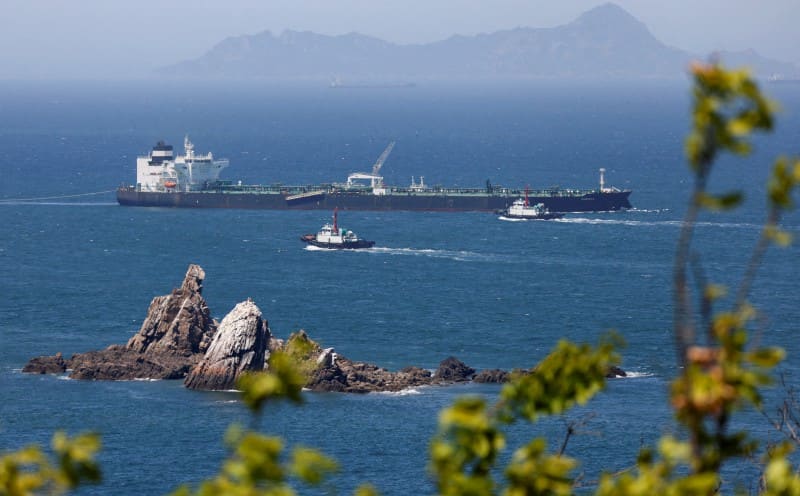
Crude benchmarks pushed higher Thursday as traders weighed competing signals from the Middle East: progress on a potential shipping corridor through the Strait of Hormuz and fresh missile strikes against Saudi tankers in the Red Sea and Gulf of Aden. Brent futures rose 83 cents to $80.28 per barrel, while West Texas Intermediate added 61 cents to $75.83.
The modest gains reflect persistent uncertainty over whether a proposed understanding between Tehran and Muscat will translate into durable relief for energy flows. Iran's Foreign Ministry spokesperson Esmaeil Baghaei confirmed Wednesday that the two governments have agreed on geographic coordinates for a route through the strait and are finalizing a joint statement, contingent on unspecified third parties refraining from interference.
Yet the market remains wary. A memorandum signed in June collapsed within weeks, and analysts note that any new arrangement carries execution risk. Under the latest framework, Tehran would exercise control over vessels entering the Gulf via the strait, a concession that marks a significant shift in regional maritime governance. Before hostilities began in late February, the waterway handled roughly one-fifth of global daily oil and liquefied natural gas volumes.
Export Volumes Remain Depressed
Shipping data for July show that crude and condensate exports from Gulf producers held roughly steady but stayed about 40 percent below pre-conflict levels. The shortfall has kept physical premiums elevated across Asian spot markets, particularly for medium-sour grades that typically move through the strait.
Saudi Arabia's decision to trim the official selling price for Arab Light crude to Asia in September suggests the kingdom is balancing supply constraints against demand softness in key refining hubs. The modest reduction, detailed in a pricing document, signals Riyadh's concern that sustained high premiums could erode market share to alternative suppliers in the Atlantic Basin and West Africa.
Gulf producers have so far avoided large-scale disruptions, but the volume deficit underscores how even partial chokepoint closures ripple through global supply chains. Refiners in Northeast Asia have turned to incremental barrels from Malaysia and Australia, while Indian processors have increased spot purchases from Iraq's southern terminals, which bypass the strait entirely.
Houthi Strikes Renew Infrastructure Threat
Yemen's Houthi movement claimed responsibility Wednesday for missile attacks targeting a Saudi oil tanker off Yanbu on the Red Sea coast and a second vessel in the Gulf of Aden. Saudi authorities have not confirmed either incident, but the announcements rekindled concerns over the vulnerability of energy infrastructure along key maritime routes.
So far, Houthi operations have caused limited physical damage to oil and gas supply. However, the group's expanding target set and improving missile accuracy raise the possibility of a more disruptive strike. Tehran has separately warned Gulf states that any new U.S. military action on Iranian soil would prompt retaliation against critical energy facilities across the region, according to multiple sources familiar with the messaging. The threat is designed to raise the cost calculus for Washington and its regional partners, potentially deterring escalation but also increasing the stakes for any miscalculation.
The dual pressure points, shipping corridor negotiations and asymmetric attacks, have kept risk premiums embedded in crude futures. Options markets show elevated implied volatility for contracts expiring in the fourth quarter, reflecting trader expectations that geopolitical headlines will continue to drive short-term price swings.
Refinery Disruption in Russia Adds Supply Layer
A separate supply concern emerged Thursday when a major refinery in Russia's Yaroslavl region caught fire following a large Ukrainian drone strike. Regional governor Mikhail Evrayev confirmed that emergency services were working to extinguish the blaze. The facility processes significant volumes of crude for domestic consumption and export, and any extended outage could tighten product markets in Europe and redirect flows eastward.
The incident highlights the broadening geographic scope of supply risks. While Middle Eastern chokepoints dominate headlines, attacks on Russian energy infrastructure have become routine, forcing refiners and traders to account for disruption probabilities across multiple theaters. European diesel and gasoline markets have already absorbed reduced Russian product exports since early 2025, and further capacity losses could accelerate the shift toward imports from India and the Middle East.
Market Outlook Hinges on Verification
Analysts emphasize that sustained price direction will depend on verifiable increases in shipping volumes through the Strait of Hormuz. Until tanker tracking data confirm a meaningful rebound, the market is likely to maintain a risk premium. The fragility of earlier agreements and Tehran's conditional language around third-party interference suggest that implementation remains uncertain.
For Asian buyers, the dual challenge of higher premiums and supply unpredictability complicates procurement strategies heading into the autumn refinery maintenance season. Japanese and South Korean refiners have extended contract negotiations with Middle Eastern national oil companies, seeking greater flexibility in loading schedules and pricing formulas that account for potential disruptions.
China's state-owned refiners, which have absorbed incremental Russian crude at discounted prices, now face a more complex arbitrage as potential outages in Yaroslavl and ongoing Hormuz constraints tighten the global balance. Beijing's strategic petroleum reserve additions have slowed in recent months, indicating that official buyers are weighing cost considerations against inventory targets.
The interplay between diplomatic progress and on-the-ground security will determine whether the current rally extends or fades. For now, traders are pricing in caution, aware that Middle East energy flows remain hostage to fragile agreements and the threat of sudden escalation.
RELATED STORIES
Crude Prices Climb as Iran Tightens Grip on Hormuz Transit
Priyanka V. Rao · 3 min
Oil Prices Drop Despite Middle East Tensions as Shipping Lanes Stay Open
Priyanka V. Rao · 3 min
Brent Crude Crosses $100 as Red Sea Tanker Strikes Add New Chokepoint Risk
Priyanka V. Rao · 3 min
Red Sea Attacks Push Crude Above $100 as Middle East Choke Points Tighten
Priyanka V. Rao · 4 min
Spot something wrong? Email editor@briefasia.com. We log every correction publicly.