Asia · Business
HD Hyundai Chair Pushes Long-Term Strategy Amid Market Uncertainty
Chung Ki-sun tells executives to prioritize sustainable growth over short-term gains as global volatility rises
KEY TAKEAWAYS
- ·HD Hyundai Chair Chung Ki-sun instructed executives to adopt a 20-year strategic planning horizon at a Thursday meeting in Pangyo.
- ·The directive signals a shift from short-term performance metrics to sustainable growth models across shipbuilding, marine equipment, and energy infrastructure units.
- ·The move reflects Korean industrial concerns about prolonged global volatility and intensifying competition from Chinese and Japanese rivals in capital-intensive sectors.
Strategic Pivot at Korean Industrial Giant
HD Hyundai's leadership gathered at the conglomerate's Global R&D Center in Pangyo on Thursday, where Chair Chung Ki-sun made clear that incremental thinking would no longer suffice. The executive strategy session assembled the group's three vice chairmen and the chief executives of eleven operating companies, a roster that spans shipyards, marine equipment manufacturers, and energy infrastructure firms.
Chung's directive was unambiguous: executives must extend their planning horizons to two decades and build strategies resilient enough to weather prolonged market volatility. The message reflects growing concern among Korean industrial leaders that the current cycle of global disruption, from supply chain fragmentation to shifting energy policy, requires structural rather than tactical responses.
Why HD Hyundai Is Rethinking Timeframes
The timing of Chung's call is notable. HD Hyundai operates at the intersection of several industries facing simultaneous pressure. Shipbuilding order books remain strong but face margin compression as raw material costs fluctuate. Marine engine and equipment divisions must navigate the uneven pace of decarbonization mandates across different flag states. Energy infrastructure units are caught between fossil fuel commitments and renewable transition timelines that vary sharply by geography.
According to HD Hyundai, the strategic review will prioritize sustainable revenue models over quarterly performance metrics. That represents a departure from the conglomerate's historical emphasis on order volume and near-term profitability, particularly in its core shipbuilding operations where contract timing often dictates quarterly results.
The meeting included Vice Chairmen Cho Young-cheul, Cho Seok, and Lee Sang-kyun, signaling that the strategic recalibration will cascade across all major business units. Each vice chairman oversees a cluster of affiliates, giving them direct authority to implement longer planning cycles within their respective domains.
Regional Context and Competitive Pressure
HD Hyundai's shift comes as Korean conglomerates face intensifying competition from Chinese shipyards that have rapidly scaled capacity and diversified into higher-value vessel segments. Japanese rivals, meanwhile, have consolidated around fewer but more specialized niches, leaving Korean players to defend market share in mid-tier complexity ships while trying to move upmarket into liquefied natural gas carriers and offshore platforms.
The 20-year horizon Chung emphasized aligns with the lead times required to develop next-generation propulsion systems, autonomous vessel technology, and floating renewable energy infrastructure. These are capital-intensive bets that require patient investment and tolerance for extended development cycles, a posture more common in Japan's industrial planning than in Korea's traditionally faster-moving chaebol culture.
HD Hyundai's research and development center in Pangyo has been the focal point for these longer-term initiatives. The facility houses teams working on hydrogen fuel systems, battery integration for hybrid propulsion, and digital twin platforms for predictive maintenance. Bringing the executive team to that location for the strategy meeting was itself a signal about where Chung wants attention directed.
What Comes Next
The conglomerate has not disclosed specific capital allocation targets or technology roadmaps tied to the 20-year vision. That level of detail will likely emerge in coming quarters as individual affiliates translate Chung's directive into concrete investment plans and partnership strategies.
What is clear is that HD Hyundai is preparing for a business environment where short-cycle opportunities become scarcer and competitive advantage accrues to firms that can lock in long-duration relationships with shipowners, energy developers, and infrastructure operators. In practical terms, that means moving from transactional shipbuilding contracts to integrated lifecycle service agreements, and from equipment sales to performance-based partnerships.
For executives accustomed to managing against annual budgets and three-year plans, the shift to multi-decade thinking will require new analytical tools and different risk frameworks. Whether HD Hyundai's operating companies can execute on that timeline while still meeting near-term earnings expectations will test the conglomerate's ability to balance patience with performance.
RELATED STORIES
Emart Posts $30 Million Loss as Starbucks Korea Boycott Bites
Jun-ho Seo · 2 min
HiteJinro Expands Vietnam Footprint with Scholarship Program and New Production Facility
Cheng Wei-Lun · 3 min
Cosmax Records Best Quarter as US Operations Turn Profitable
Cheng Wei-Lun · 2 min
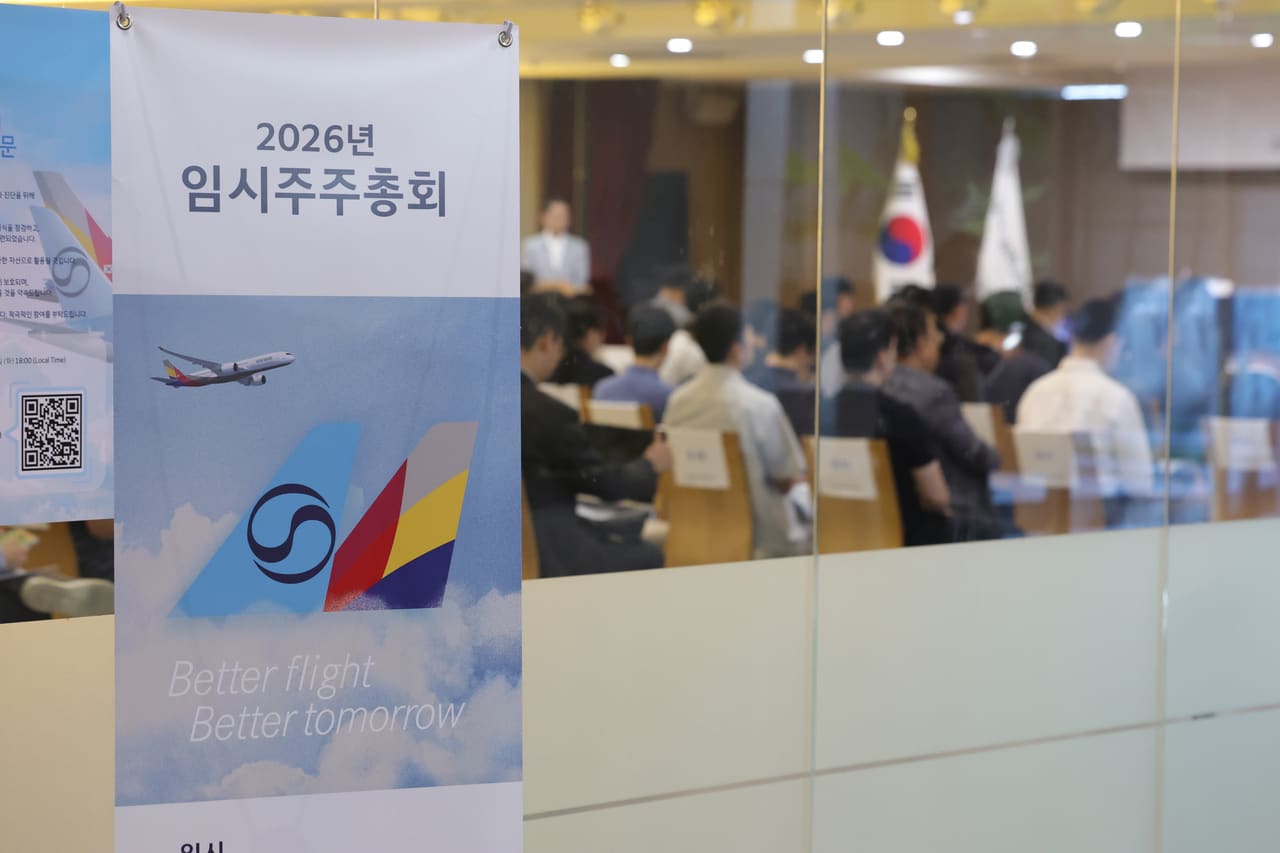
Asiana Shareholders Clear Final Hurdle for Korean Air Takeover
Cheng Wei-Lun · 2 min
Spot something wrong? Email editor@briefasia.com. We log every correction publicly.