Asia · Business
Emart Posts $30 Million Loss as Starbucks Korea Boycott Bites
A single marketing misstep in May wiped out gains across the South Korean retail giant's other divisions, with its coffee chain booking an $18 million operating loss in Q2.
KEY TAKEAWAYS
- ·Emart reported a 43 billion won operating loss in Q2 2026, driven by an 18.4 billion won loss at Starbucks Korea after a May boycott.
- ·The coffee chain's controversial Tank Day promotion triggered a sharp drop in foot traffic that erased profit growth across Emart's hypermarket and convenience store divisions.
- ·Emart holds a 67.5 percent stake in Starbucks Korea, one of the chain's largest international markets with over 1,800 stores.
A Single Campaign's Costly Aftermath
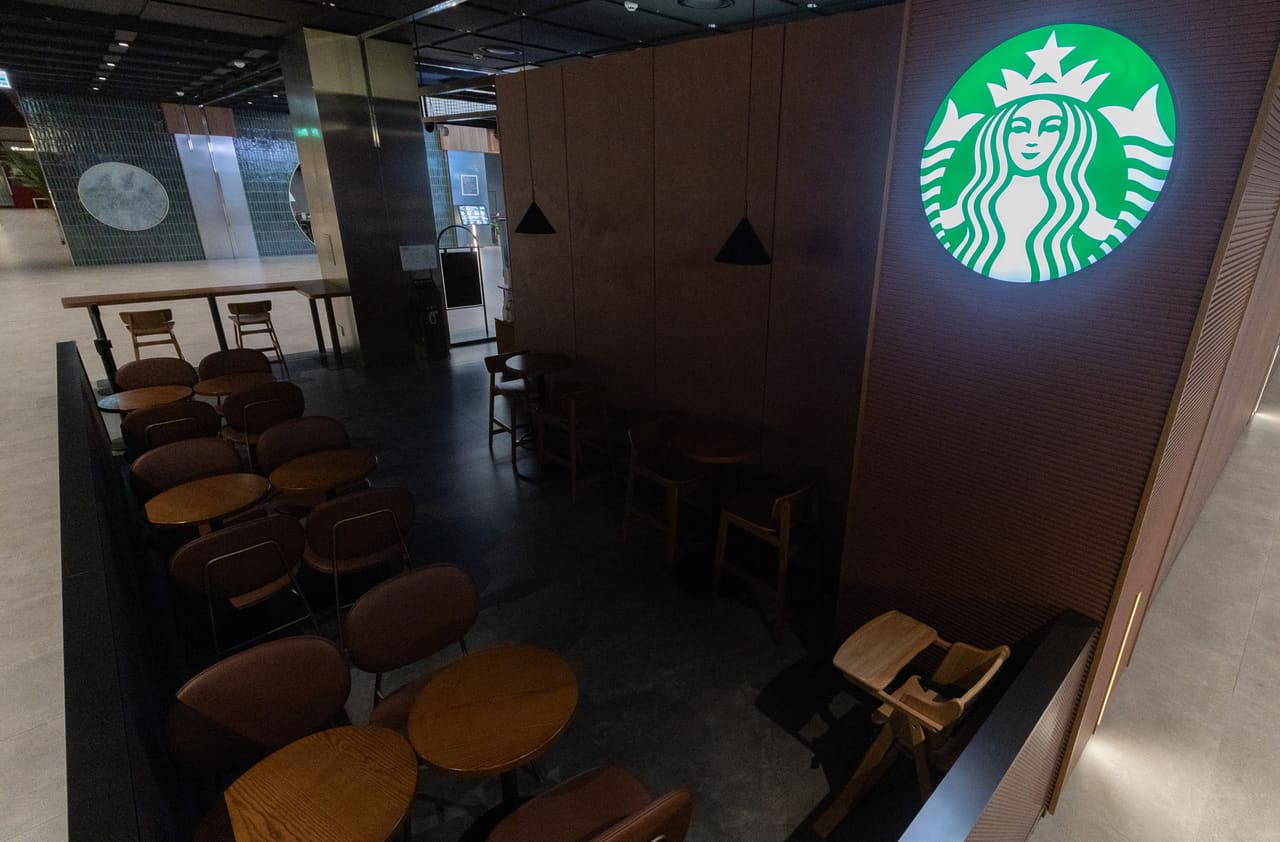
Emart, South Korea's largest retail conglomerate, reported a consolidated operating loss of 43 billion won ($30.4 million) for the second quarter, a sharp reversal driven almost entirely by its majority stake in Starbucks Korea. The coffee chain's controversial "Tank Day" promotion in May triggered a consumer backlash severe enough to erase profit growth across Emart's portfolio of hypermarkets, convenience stores, and department stores.
Starbucks Korea recorded sales of 747.3 billion won in the April-June period but posted an operating loss of 18.4 billion won, according to Emart's quarterly disclosure. The Seoul-based retailer holds a 67.5 percent stake in SCK Company, which operates the Starbucks franchise in South Korea under a licensing agreement with the Seattle-based coffee giant.
The losses stem from a May 18 marketing event that offered discounts on Frappuccinos served in containers resembling military vehicles. The timing and imagery sparked immediate backlash on social media, with critics accusing the brand of insensitivity to historical events. Within days, calls for a boycott spread across Korean online communities, and foot traffic at Starbucks locations dropped sharply through June.
Retail Units Deliver, Coffee Drags
The contrast with Emart's other businesses underscores the scale of the Starbucks fallout. The company's hypermarket division posted double-digit operating profit growth in the quarter, driven by stronger sales of fresh produce and private-label goods. Emart's convenience store arm, which operates the Emart24 chain, also reported a profit increase as it expanded its network of unmanned stores in residential areas.
Emart's department store unit, Shinsegae Department Store, saw steady performance in the luxury and cosmetics categories, benefiting from a rebound in domestic tourism and spending by younger consumers. None of these gains, however, were enough to offset the Starbucks Korea drag.
The company has not disclosed whether it expects the boycott effects to persist into the third quarter. Industry observers note that consumer sentiment in South Korea can shift quickly, but brand rehabilitation campaigns typically require sustained effort and transparent communication.
Navigating a Sensitive Market
South Korea's retail and food service sectors are particularly vulnerable to social media-driven boycotts, a dynamic that has caught both local and multinational brands off guard in recent years. Companies operating in the market have learned that even well-intentioned promotions can trigger backlash if they fail to account for historical context or cultural sensitivities.
Emart's exposure to Starbucks Korea, one of the chain's largest and most profitable international markets under normal conditions, has made the retailer's earnings more volatile. The franchise operates more than 1,800 stores across the country and has historically delivered strong margins, making it a key contributor to Emart's consolidated results.
The company faces a choice between doubling down on damage control for the coffee brand or waiting for consumer sentiment to stabilize on its own. Either path carries risk: aggressive marketing could be seen as tone-deaf, while silence might allow competitors to capture market share.
Emart's next earnings report, due in November, will offer the first clear picture of whether the Starbucks Korea business can return to profitability in the second half of the year. For now, the conglomerate is absorbing the cost of a campaign that lasted a single day but has had consequences stretching across an entire quarter.
RELATED STORIES
Homeplus Reopens 67 Stores After Seoul Court Grants Rehabilitation Extension
Jun-ho Seo · 2 min
Asiana Shareholders Clear Final Hurdle for Korean Air Takeover
Cheng Wei-Lun · 2 min
HiteJinro Expands Vietnam Footprint with Scholarship Program and New Production Facility
Cheng Wei-Lun · 3 min
Seoul and New Delhi Strengthen Customs Cooperation to Ease Trade Friction
Cheng Wei-Lun · 3 min
Spot something wrong? Email editor@briefasia.com. We log every correction publicly.