Asia · Business
Homeplus Reopens 67 Stores After Seoul Court Grants Rehabilitation Extension
South Korea's struggling discount chain resumes nationwide operations following court reversal, marking a reprieve in its fight to secure restructuring capital
KEY TAKEAWAYS
- ·Homeplus reopened all 67 South Korean outlets after the Seoul Bankruptcy Court extended rehabilitation proceedings, reversing a termination that caused a month-long shutdown starting July 13.
- ·The court initially ended proceedings because Homeplus failed to secure 200 billion won ($130 million) required under its self-rescue plan to continue operations.
- ·The retailer must now demonstrate progress on capital raising or present an alternative restructuring plan while competing in a retail sector squeezed by e-commerce and legacy debt.
Court Reversal Ends Month-Long Shutdown
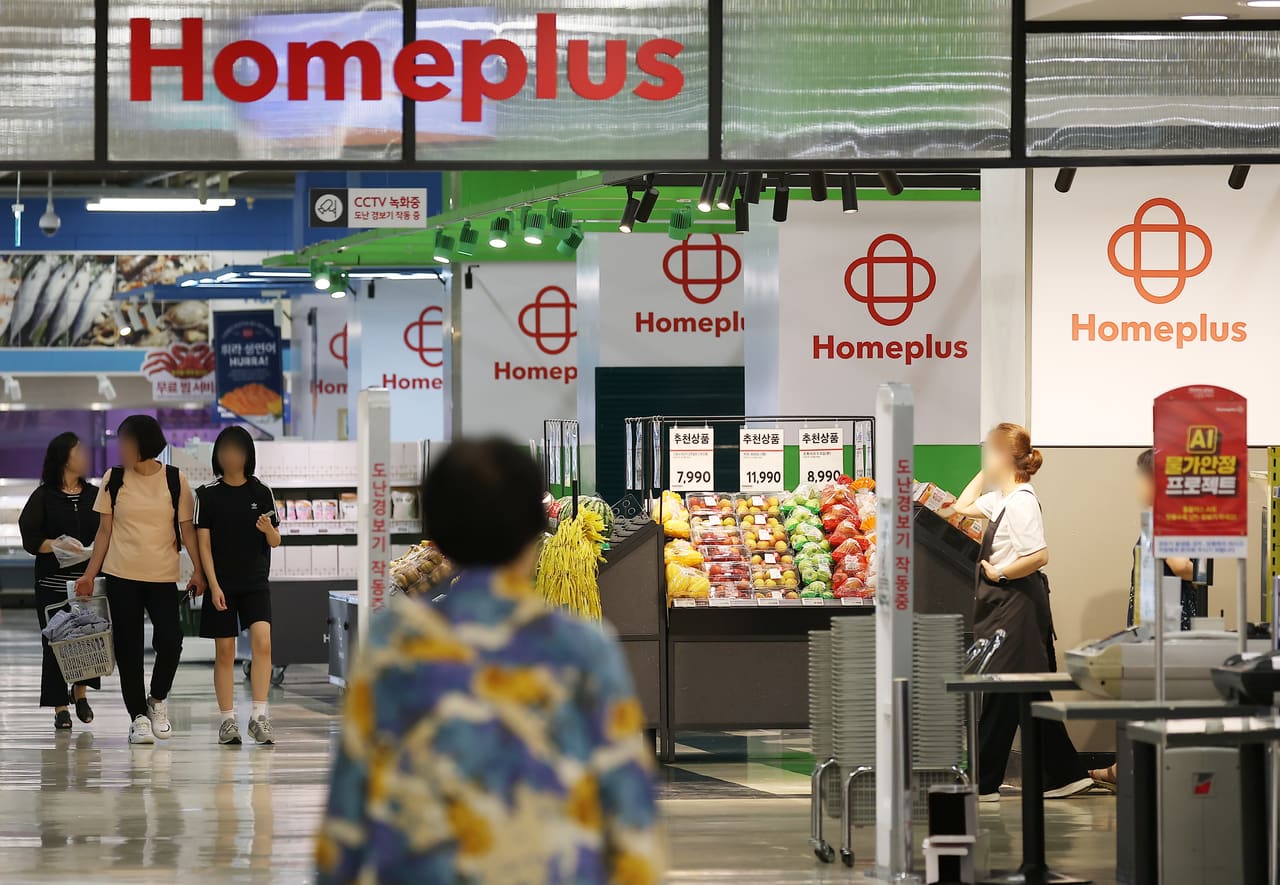
Homeplus Co. reopened all 67 discount stores across South Korea this week after the Seoul Bankruptcy Court extended the retailer's rehabilitation proceedings, according to the company. The decision reverses an earlier termination that had forced the chain to shut down operations nationwide for nearly a month.
The retailer closed every outlet on July 13 following the court's initial decision to end rehabilitation proceedings. That termination came after Homeplus failed to meet a critical funding threshold, unable to secure at least 200 billion won (approximately $130 million) required under its restructuring plan.
The extended proceedings give the discount chain breathing room to continue seeking capital and negotiating with creditors as it attempts to stabilize operations in one of Asia's most competitive retail markets.
Funding Gap Triggered Initial Closure
The Seoul Bankruptcy Court had cited insufficient progress on the company's self-rescue plan when it terminated proceedings in early July. Homeplus, which operates a network of large-format discount stores competing with E-Mart and Lotte Mart, had been working under court protection since entering rehabilitation.
The 200 billion won figure represented the minimum capital injection deemed necessary for the retailer to continue operations and service obligations to suppliers and landlords. Without that funding secured, the court initially determined the rehabilitation effort was no longer viable.
The closure left thousands of employees without work and disrupted supply chains for dozens of domestic manufacturers and distributors who rely on Homeplus as a key sales channel.
Retail Sector Under Pressure
Homeplus's troubles reflect broader challenges facing traditional big-box retailers in South Korea. The sector has faced mounting pressure from e-commerce platforms, shifting consumer habits accelerated by the pandemic, and intense competition among legacy discount chains.
The company's ownership structure has also complicated its turnaround efforts. MBK Partners, a private equity firm, acquired Homeplus from Tesco in 2015 for 6.4 trillion won. The leveraged buyout loaded the retailer with debt just as the industry environment began deteriorating.
By the time Homeplus entered formal rehabilitation proceedings, it was grappling with declining foot traffic, aging store formats, and a debt burden that limited its ability to invest in digital transformation or store renovations.
What Comes Next
The court's decision to extend proceedings suggests creditors and the judiciary believe a path to viability still exists, though the company faces a steep climb. Homeplus must now demonstrate meaningful progress on securing the required capital or present an alternative restructuring plan that satisfies the court's requirements.
Industry observers note that the window for traditional discount retailers in South Korea is narrowing. Competitors have invested heavily in omnichannel capabilities, integrating online ordering, rapid delivery, and loyalty programs that Homeplus has struggled to match.
The retailer will need to move quickly on multiple fronts: closing unprofitable locations, renegotiating lease terms, modernizing its supply chain, and potentially finding a strategic investor or buyer willing to inject fresh capital.
For now, the resumption of operations provides a temporary lifeline. Employees have returned to work, and suppliers can resume deliveries. But without a credible long-term funding solution, the company's rehabilitation remains fragile, and another shutdown could prove final.
RELATED STORIES
Seoul and New Delhi Strengthen Customs Cooperation to Ease Trade Friction
Cheng Wei-Lun · 3 min
South Korea's Labor Market Shows Fragile Recovery Amid Industrial Headwinds
Jun-ho Seo · 4 min
Seoul Convenes Industry Leaders to Address US Polysilicon Tariff Impact
Cheng Wei-Lun · 3 min
South Korea's Tourism Recovery Delivers Ninefold Jump in Foreign Card Spending
Jun-ho Seo · 5 min
Spot something wrong? Email editor@briefasia.com. We log every correction publicly.