Asia · Trade
Seoul and New Delhi Strengthen Customs Cooperation to Ease Trade Friction
South Korean officials met with Indian customs authorities in New Delhi to address clearance bottlenecks and deepen bilateral trade facilitation
KEY TAKEAWAYS
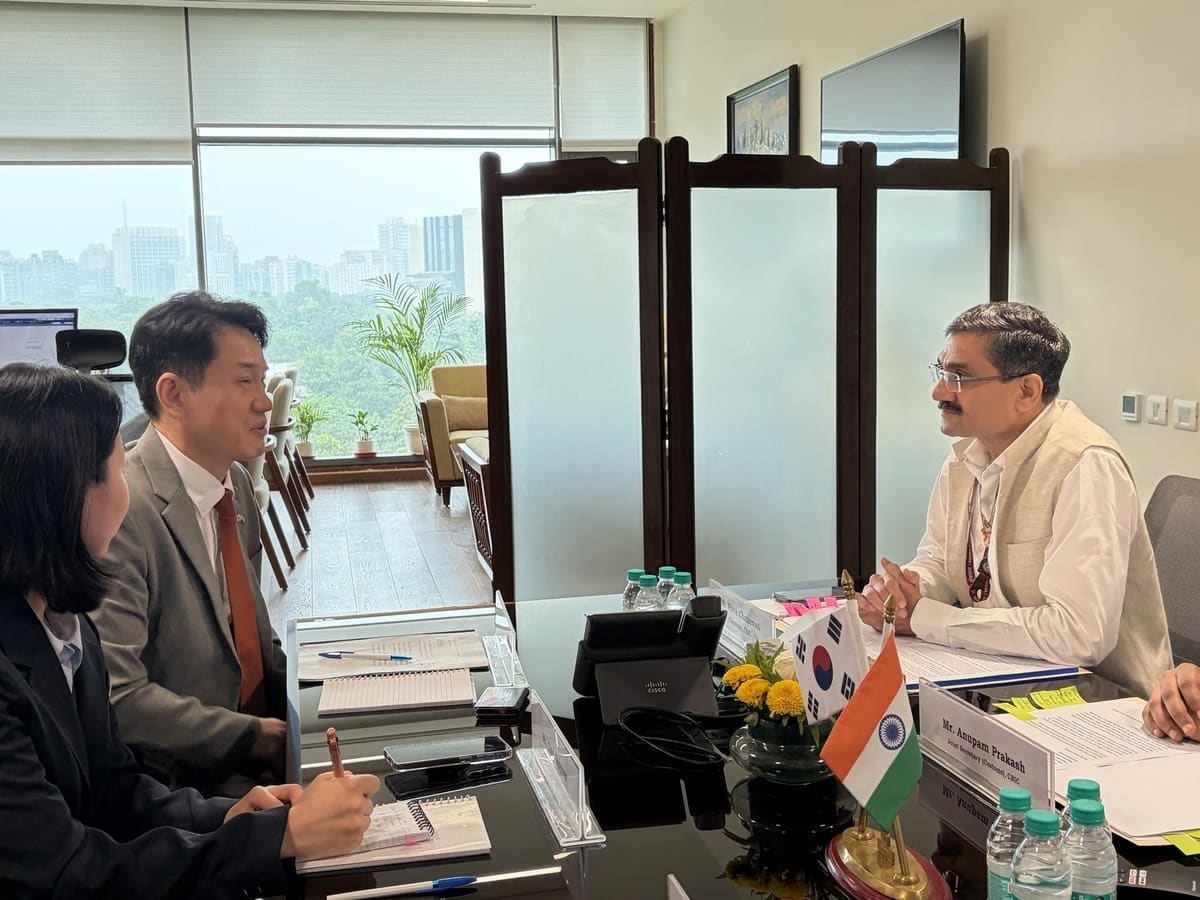
- ·South Korea's customs agency met with India's Central Board of Indirect Taxes and Customs in New Delhi to improve clearance procedures for Korean businesses.
- ·The discussions addressed procedural delays at Indian customs checkpoints that have affected South Korean firms with operations in India.
- ·The agreement reflects broader efforts to streamline trade facilitation as regional supply chains become more integrated across Asia.
A Bilateral Push for Smoother Commerce
South Korea and India have committed to deeper cooperation on customs administration, a move that reflects both countries' desire to reduce friction in cross-border trade and support the operations of businesses navigating regulatory complexity in one of Asia's fastest-growing consumer markets.
The Korea Customs Service announced Wednesday that it had concluded talks with India's Central Board of Indirect Taxes and Customs during a meeting in New Delhi the previous day. The discussions centered on practical measures to expedite customs clearance and reduce administrative delays that have affected South Korean companies with operations or supply chains in India.
According to the Korea Customs Service, the delegation raised specific instances in which Korean firms encountered procedural hurdles at Indian ports and customs checkpoints. While the agency did not disclose the names of the companies or the nature of the delays, the meeting underscored a broader trend: as South Korean manufacturers and exporters expand their footprint in India, friction points in customs administration have become a growing concern for Seoul.
India's Regulatory Landscape and Korean Business Interests
India has emerged as a strategic destination for South Korean investment, particularly in sectors such as consumer electronics, automotive manufacturing, steel, and infrastructure. Major Korean conglomerates operate large-scale production facilities in states including Tamil Nadu, Uttar Pradesh, and Gujarat, and bilateral trade between the two countries has grown steadily over the past decade.
Yet India's customs regime remains complex, marked by frequent policy adjustments, varying interpretations of tariff classifications, and occasional enforcement actions that can delay shipments or trigger compliance reviews. For exporters and manufacturers operating on tight inventory schedules, even minor delays at customs can ripple through supply chains and affect production timelines.
The Korea Customs Service's outreach to Indian authorities reflects a proactive effort to address these issues at the government-to-government level, rather than leaving individual companies to navigate bureaucratic channels on their own. By establishing a direct line of communication with the Central Board of Indirect Taxes and Customs, Seoul is effectively seeking to institutionalize a channel for resolving disputes and clarifying regulatory expectations.
What the Agreement Entails
While the announcement did not specify binding commitments or formal treaty language, the agreement signals a mutual willingness to enhance information sharing, streamline documentation requirements, and coordinate on enforcement matters. Such arrangements typically involve regular consultations between customs officials, joint working groups to review problem cases, and the establishment of fast-track mechanisms for trusted traders.
For South Korea, the priority is clear: ensuring that its exporters and investors in India can operate with greater predictability and lower administrative overhead. For India, closer collaboration with a major trade partner like South Korea offers an opportunity to demonstrate that its customs administration is modernizing and responsive to the needs of foreign investors, a message the government has been keen to project as it seeks to position itself as an alternative manufacturing hub to China.
Regional Implications
The Seoul-New Delhi customs dialogue is part of a broader pattern of trade facilitation efforts across Asia. As regional supply chains become more integrated and companies diversify production away from single-country dependencies, customs cooperation has become a critical enabler of competitiveness.
South Korea has pursued similar agreements with other partners in Southeast Asia and has been an active participant in regional initiatives to harmonize trade procedures. India, meanwhile, has been working to improve its Ease of Doing Business rankings and has rolled out digital customs platforms and risk-based clearance systems in recent years.
The extent to which this latest commitment translates into tangible improvements for Korean businesses will depend on implementation. Customs reform in large, federal systems like India's often requires coordination across multiple agencies and state governments, and progress can be uneven. But the fact that senior officials from both countries convened in New Delhi to address these issues suggests that trade facilitation has moved up the priority list for both governments.
What Comes Next
The Korea Customs Service indicated that it would continue to monitor the situation and maintain dialogue with Indian authorities. Future steps could include the establishment of a joint task force, the exchange of customs officials for training and capacity-building, or the negotiation of mutual recognition agreements that allow pre-certified exporters to benefit from expedited clearance.
For companies on the ground, the hope is that this high-level engagement will translate into fewer surprises at the border, clearer guidance on compliance requirements, and faster resolution when issues do arise. In a region where speed and reliability are competitive advantages, even incremental improvements in customs efficiency can make a meaningful difference.
RELATED STORIES
Homeplus Reopens 67 Stores After Seoul Court Grants Rehabilitation Extension
Jun-ho Seo · 2 min
South Korea's Labor Market Shows Fragile Recovery Amid Industrial Headwinds
Jun-ho Seo · 4 min
Seoul Convenes Industry Leaders to Address US Polysilicon Tariff Impact
Cheng Wei-Lun · 3 min

South Korea's Tourism Recovery Delivers Ninefold Jump in Foreign Card Spending
Jun-ho Seo · 5 min
Spot something wrong? Email editor@briefasia.com. We log every correction publicly.