Technology · Products
Used iPhone Sales Double in Japan as Memory Shortage Pushes Prices Higher
Refurbished device market surges after Apple price increases, with businesses and consumers seeking alternatives amid weak yen and component costs
KEY TAKEAWAYS
- ·Sales of refurbished iPhones in Japan more than doubled after Apple raised prices in July, with older models like the iPhone SE seeing strongest demand
- ·Memory chip shortages and yen weakness against the dollar have driven up new device costs, pushing consumers and businesses toward certified pre-owned alternatives
- ·Used server sales are also climbing as enterprises seek to expand IT capacity without full new-equipment costs and lengthy lead times
Secondhand Market Gains Momentum
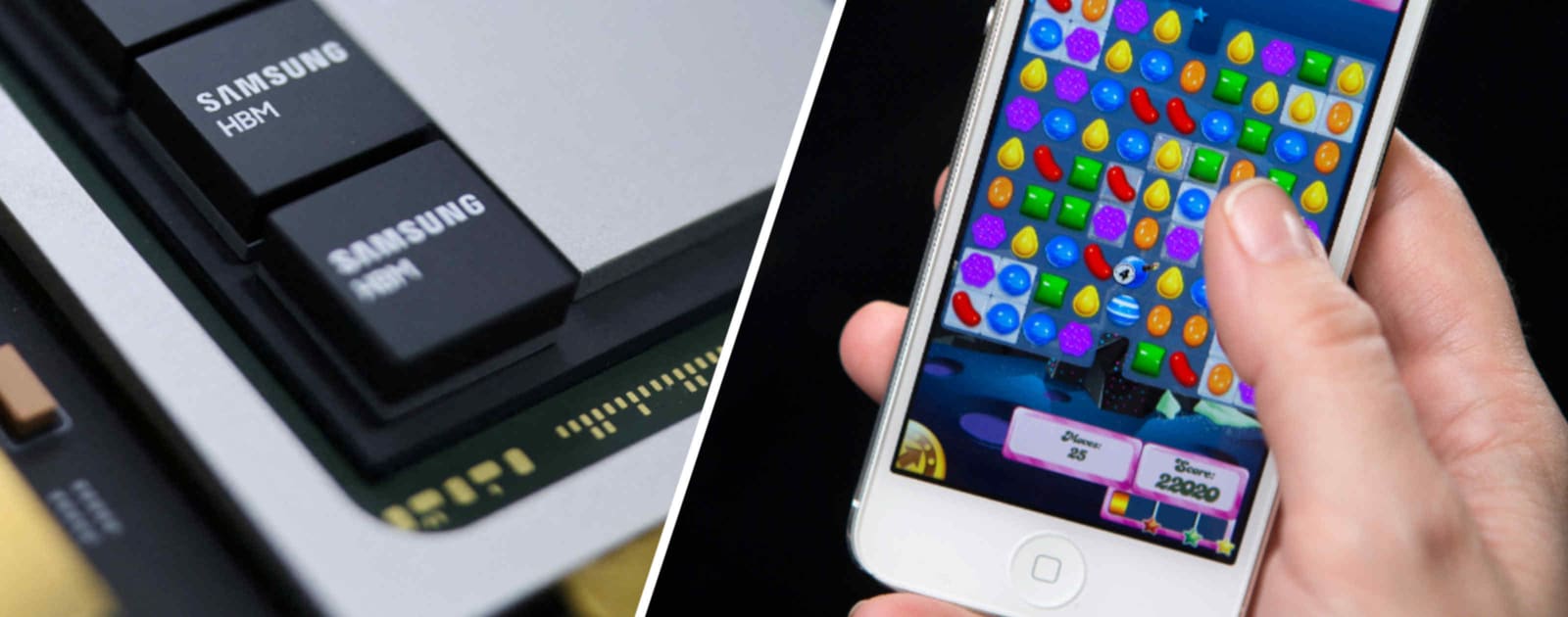
Japan's market for refurbished smartphones and IT hardware has seen sharp growth as component shortages collide with currency pressures. Sales of used iPhones more than doubled following price adjustments Apple introduced in July, according to industry data, with older models like the iPhone SE particularly popular among cost-conscious buyers.
The shift reflects broader pressures facing Japanese consumers and enterprises. Memory chip supply constraints have driven up costs across the electronics supply chain, while the yen's persistent weakness against the dollar has amplified the impact of dollar-denominated component pricing. For buyers in Tokyo and beyond, the math increasingly favors certified pre-owned devices over new flagship models.
Memory Prices and Currency Pressure
Memory shortages have been a recurring theme across Asian electronics markets, but Japan's situation carries additional weight due to exchange rate dynamics. The yen's depreciation has made imported electronics significantly more expensive in local currency terms, even before factoring in component cost inflation.
Server sales have also climbed in the used equipment segment, as businesses look to expand IT capacity without bearing the full cost of new hardware. Data center operators and mid-sized enterprises are among the buyers seeking refurbished server units, driven by budget constraints and lead-time considerations for new equipment.
Older Models Find New Life
The iPhone SE and other previous-generation models have found renewed demand in Japan's secondhand channels. These devices offer functional performance at a fraction of new flagship prices, appealing to both individual users and corporate buyers managing device fleets. Refurbishment vendors report strong inventory turnover, with some models selling within days of being listed.
This trend mirrors patterns seen in other Asian markets where economic headwinds have boosted interest in value-oriented hardware options. Japan's relatively mature smartphone market, where upgrade cycles have lengthened in recent years, provides fertile ground for the secondhand segment.
IT Equipment Joins the Wave
Beyond smartphones, the surge extends to enterprise IT hardware. Used servers have gained traction as companies balance infrastructure needs against capital expenditure limits. The combination of elevated new equipment prices and improved quality standards in the refurbishment industry has made pre-owned servers a viable option for workloads that don't require cutting-edge specifications.
Businesses are also factoring in lead times. New server orders can face extended delivery schedules due to component availability, whereas refurbished units are often available for immediate deployment. For companies facing capacity constraints, the time advantage can be as compelling as the cost savings.
Market Implications
The growth in Japan's used device market signals a structural shift in buyer behavior. While premium new models will always have a place, the economic calculus has tilted enough to make refurbished options mainstream rather than niche. Vendors in the secondhand space are professionalizing operations, offering warranties and support packages that narrow the perceived gap with new hardware.
For Apple and other manufacturers, the trend represents both challenge and opportunity. A vibrant secondhand market can extend brand reach and keep users within ecosystems, but it also competes directly with new unit sales. How vendors navigate this balance will shape pricing and product strategies across the region.
Japan's experience may preview dynamics elsewhere in Asia. If memory prices remain elevated and currency volatility persists, other markets could see similar shifts toward refurbished devices and equipment. The secondhand channel, long viewed as a secondary outlet, is becoming a primary consideration for budget-conscious buyers across the enterprise and consumer segments.
RELATED STORIES
Formosa Plastics and Daicel Launch Chip Materials Joint Venture in Taiwan
Cheng Wei-Lun · 3 min
Tokyo University Lab Becomes Incubator for Japan's Satellite Startup Wave
Aiko Nakamura · 3 min
Mitsubishi Electric Prepares Satellite Production Surge as Japan Accelerates Launch Cadence
Cheng Wei-Lun · 4 min
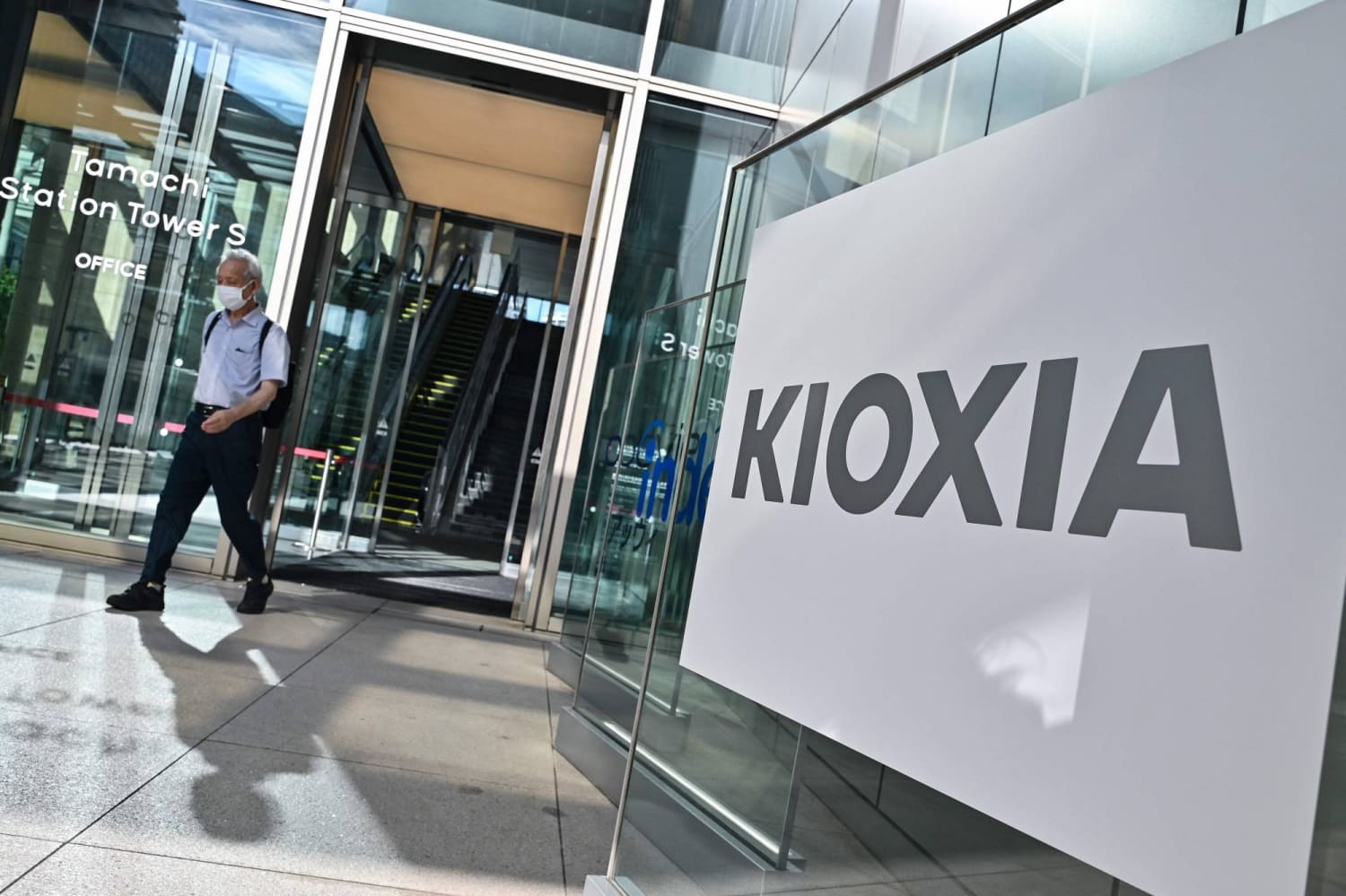
SK Hynix-Linked Vehicle Takes Top Stake in Kioxia as Toshiba Exits
Cheng Wei-Lun · 3 min
Spot something wrong? Email editor@briefasia.com. We log every correction publicly.