Finance · Deals
SK Hynix-Linked Vehicle Takes Top Stake in Kioxia as Toshiba Exits
The ownership shift marks a strategic realignment in the global memory chip sector, with South Korean interests gaining ground in a Japanese semiconductor leader.
KEY TAKEAWAYS
- ·An investment vehicle linked to SK Hynix now holds the largest stake in Kioxia after Toshiba reduced its ownership in the Japanese memory chipmaker.
- ·The ownership shift marks growing South Korean influence in Japan's semiconductor sector, where both firms compete in NAND flash and memory markets.
- ·Kioxia previously withdrew IPO plans in 2020 and continues to evaluate capital options amid cyclical memory chip demand and heavy fab investment requirements.
A New Lead Investor Emerges
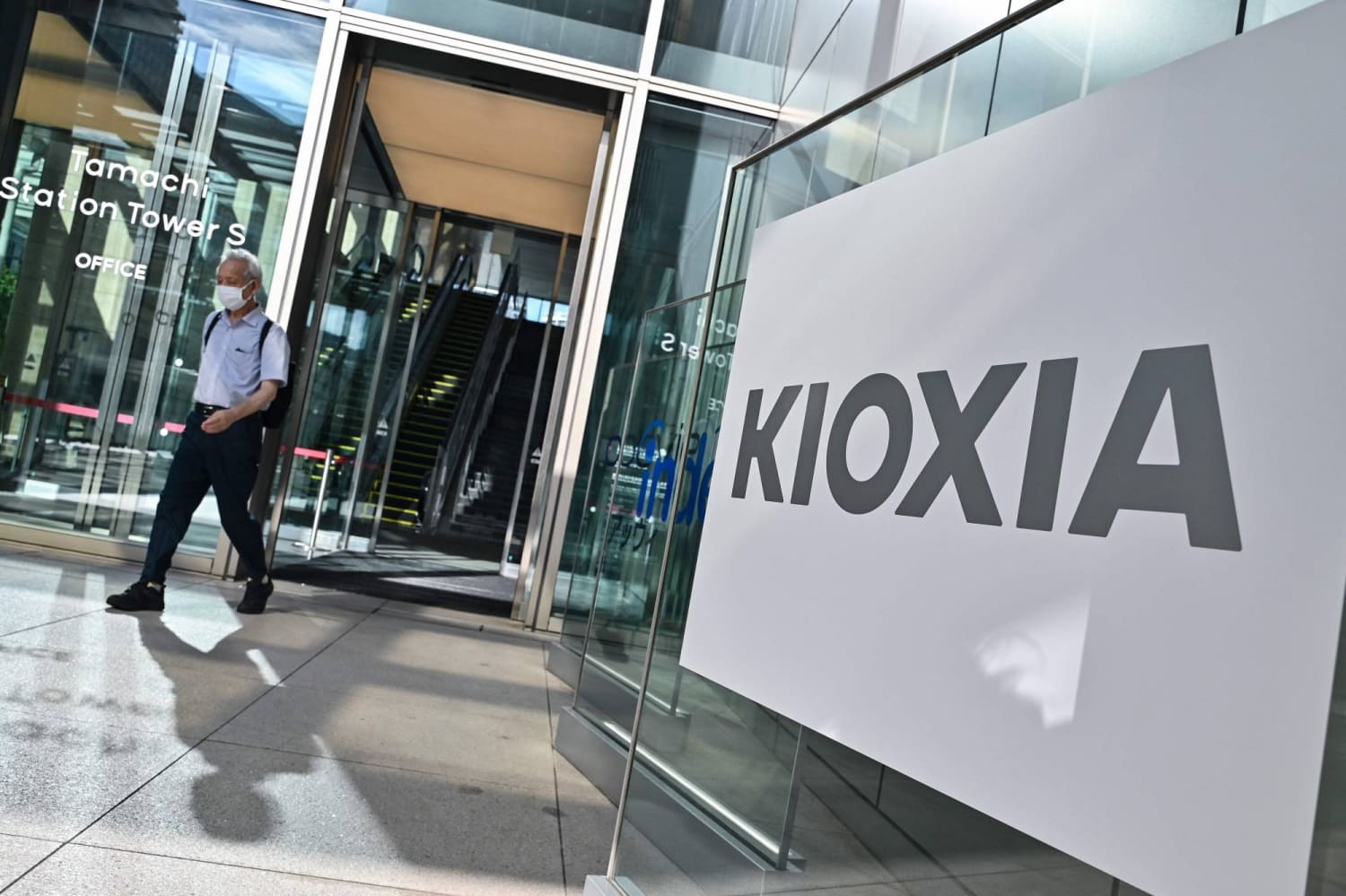
Kioxia Holdings, one of Japan's leading memory chip manufacturers, confirmed that an investment group with connections to South Korean rival SK Hynix now holds the largest stake in the company. The development follows Toshiba's decision to reduce its ownership position in the flash memory specialist it once controlled.
The ownership change represents a significant moment for Japan's semiconductor industry, which has faced mounting pressure to consolidate and attract capital amid intensifying global competition in memory chips. Kioxia, formerly known as Toshiba Memory, has been at the center of restructuring efforts since its spin-off from Toshiba in 2018.
Toshiba had been the dominant shareholder since Kioxia's formation, but the conglomerate has been systematically divesting assets as part of a broader corporate overhaul. The reduction in Toshiba's stake clears the path for new strategic investors to shape the company's direction in an industry dominated by Samsung Electronics, SK Hynix, and Micron Technology.
Cross-Border Semiconductor Stakes
The investment vehicle now holding the top position maintains ties to SK Hynix, the world's second-largest memory chipmaker by revenue. SK Hynix, a subsidiary of South Korea's SK Group, has been expanding its footprint across Asia's semiconductor value chain through both direct investments and affiliated entities.
While the exact structure and ownership percentage of the investment group have not been disclosed, the move signals growing South Korean influence in Japan's memory sector. SK Hynix specializes in DRAM and NAND flash memory, the same product categories that form Kioxia's core business. The two companies compete directly in global markets for data center storage, consumer electronics, and enterprise computing solutions.
Kioxia operates major fabrication facilities in Japan and has joint ventures with Western Digital, an American data storage company. The partnership includes shared manufacturing operations in Yokkaichi and Kitakami, where both firms produce NAND flash chips used in solid-state drives and other storage products.
Industry Consolidation Pressures
The ownership shift comes as memory chipmakers navigate cyclical demand patterns and heavy capital expenditure requirements. Building and upgrading semiconductor fabrication plants requires investments often exceeding $10 billion per facility, creating pressure for scale and financial backing.
Japan's government has prioritized semiconductor manufacturing as a strategic industry, allocating subsidies and support for both domestic production and partnerships with foreign firms. Tokyo views memory chips as critical infrastructure for everything from automotive systems to artificial intelligence applications.
Kioxia had previously explored a public listing to raise capital and provide liquidity for existing investors. The company filed for an initial public offering in 2020 but withdrew the plans citing market conditions. Speculation about a renewed IPO attempt has circulated periodically, though no formal timeline has been announced.
The company's valuation and future capital structure remain subjects of industry attention. Memory chip prices fluctuate based on supply-demand dynamics, with recent quarters showing recovery from a prolonged downturn that pressured margins across the sector.
Strategic Implications for Asian Chip Markets
The presence of an SK Hynix-linked investor as Kioxia's top shareholder raises questions about potential operational coordination or strategic alignment between the two rivals. Regulatory frameworks in Japan, South Korea, and other jurisdictions impose limits on anti-competitive behavior, but minority investments and financial stakes often fall outside direct competition concerns.
For SK Hynix, the investment could provide insight into Kioxia's technology roadmap and manufacturing strategies, or simply represent a financial bet on the Japanese company's long-term value. For Kioxia, the backing of a major industry player may offer stability and access to capital markets through SK Group's broader network.
Toshiba's retreat from Kioxia continues the conglomerate's transformation under activist investor pressure and management restructuring. The company has sold or spun off multiple divisions in recent years, narrowing its focus to core infrastructure and energy businesses.
The ownership change at Kioxia underscores broader shifts in Asia's semiconductor landscape, where capital flows increasingly cross national borders and traditional corporate boundaries blur. As memory demand grows with cloud computing, electric vehicles, and edge AI devices, the industry's competitive map continues to evolve beyond legacy alignments.
RELATED STORIES
Asian Tech Stocks Surge as Weak US Jobs Data Dims Rate Hike Outlook
Cheng Wei-Lun · 4 min

Bessent's Yen Support Pledge Faces Reality of Constrained U.S. Intervention Tools
Cheng Wei-Lun · 4 min
TSMC and Sony Plan $6.3 Billion Sensor Factory in Japan
Cheng Wei-Lun · 3 min
Japan's Currency Defense Crumbles as Dollar Pushes Past 159 Yen
Cheng Wei-Lun · 4 min
Spot something wrong? Email editor@briefasia.com. We log every correction publicly.