Asia · Trade
South Korea Tests Arctic Shipping Lane as Middle East Conflict Disrupts Global Routes
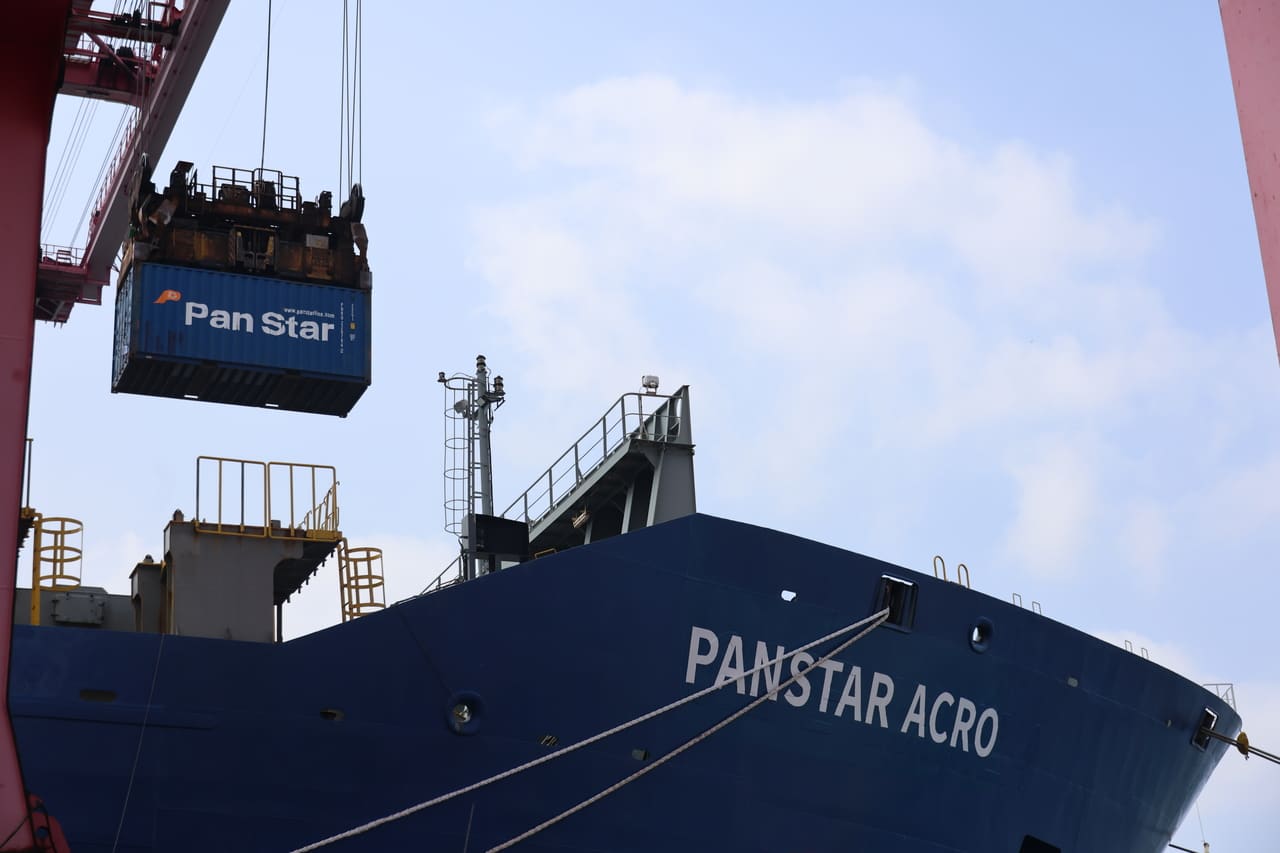
The PanStar Acro departed Busan for Europe via the Northern Sea Route, marking Seoul's first trial of the polar passage amid regional shipping turmoil.
KEY TAKEAWAYS
- ·South Korea dispatched the PanStar Acro from Busan to Europe via the Northern Sea Route on Saturday, its first Arctic container trial.
- ·The move follows Middle East hostilities that began in February, which have driven insurance premiums higher and forced carriers to seek alternative lanes.
- ·Environmental groups warn that increased Arctic traffic accelerates ice melt and threatens marine ecosystems with limited spill-response infrastructure.
Korea's Arctic Debut
South Korea dispatched its first commercial container vessel through Arctic waters on Saturday, a direct response to ongoing disruptions in traditional shipping corridors caused by escalating conflict in the Middle East. The PanStar Acro left Busan New Port bound for European destinations via the Northern Sea Route, a passage that remains contentious among environmentalists and climate scientists.
The trial voyage represents a strategic pivot for one of Asia's largest shipping nations. Seoul joins a growing roster of governments and maritime operators reassessing decades-old routing conventions as geopolitical instability reshapes the economics of global freight.
Middle East Turmoil Reshapes Shipping Economics
The catalyst for this Arctic experiment lies thousands of kilometers south. Hostilities that erupted in February following coordinated US-Israeli military operations against Iranian targets have severely constrained passage through the Red Sea and adjacent waterways. Insurance premiums for vessels transiting the Suez Canal corridor have climbed sharply, while some carriers have suspended service entirely on key lanes linking Asian manufacturing hubs to European consumer markets.
These disruptions carry measurable costs. Transit time from Busan to Rotterdam via the Suez Canal typically spans 24 to 28 days. The Arctic alternative, when ice conditions permit, can trim that window by up to a week, translating to fuel savings and faster inventory turnover for shippers operating on razor-thin margins.
Yet the Northern Sea Route remains operational only during the brief summer thaw, roughly July through October. Outside this window, even nuclear-powered icebreakers struggle against multi-year ice formations. This seasonal constraint has historically kept the route a niche option, relegated to bulk carriers hauling raw materials rather than time-sensitive containerized cargo.
Environmental Pushback and Polar Concerns
Environmental organizations have raised immediate objections to expanding commercial traffic through Arctic waters. The concern centers on a feedback loop: increased shipping activity generates black carbon emissions that settle on ice surfaces, reducing albedo and accelerating melt rates. Warmer waters, in turn, open longer seasonal windows for navigation, incentivizing still more traffic.
Marine ecosystems adapted to extreme isolation face additional stress from noise pollution, ballast water discharge, and the risk of fuel spills in waters where response infrastructure remains minimal. Indigenous communities dependent on subsistence hunting have documented changes in marine mammal migration patterns coinciding with heightened vessel activity.
South Korea's trial occurs against a backdrop of intensifying interest in polar shipping corridors. Russia, which controls the majority of the Northern Sea Route's coastline, has invested in port infrastructure and icebreaker fleets to position itself as the gatekeeper of this emerging artery. China, declaring itself a "near-Arctic state" despite being located thousands of kilometers south of the polar circle, has incorporated the route into its Belt and Road Initiative under the label "Polar Silk Road."
Asia's Routing Dilemma
For Asian exporters, the calculus is stark. Container shipping rates from East Asia to Northern Europe spiked by over 60 percent in the first quarter of this year compared to the same period in 2025, driven by risk premiums and longer routing around the Cape of Good Hope. Manufacturers facing compressed lead times and rising logistics costs are pressuring carriers to explore any viable alternative.
South Korea's Ministry of Oceans and Fisheries has framed the PanStar Acro trial as a data-gathering exercise rather than a commitment to regular service. Officials plan to evaluate fuel consumption, ice navigation protocols, and schedule reliability before determining whether to authorize expanded Arctic operations.
The vessel's itinerary will take it along Russia's northern coastline, past the Barents Sea and into the Norwegian Sea before turning south toward European ports. Onboard sensors will log ice thickness, weather conditions, and engine performance metrics intended to inform future routing decisions.
Regional Implications
Japan and China have conducted similar Arctic trials in recent years, but South Korea's entry signals a broader regional consensus that traditional shipping lanes can no longer be taken for granted. The Middle East conflict has underscored a vulnerability that Asian economies, heavily reliant on seaborne trade, can ill afford.
Yet the Arctic remains an uncertain bet. Climate models project continued ice retreat over the coming decades, but year-to-year variability remains high. A single harsh winter can close the route for an entire season, stranding commitments and upending supply chain planning.
Insurance underwriters, meanwhile, are still developing risk models for polar navigation. Salvage and rescue capabilities lag far behind those available along established routes, raising questions about liability in the event of a major incident.
The PanStar Acro's voyage will be closely watched by competitors and policymakers across the region. If the trial demonstrates reliable transit times and manageable costs, expect a wave of follow-on applications from carriers eager to secure a foothold in what could become a permanent feature of Asia-Europe trade. If ice conditions prove more challenging than anticipated, or if environmental opposition gains regulatory traction, the Arctic may remain a summer curiosity rather than a strategic alternative.
RELATED STORIES

US-Blacklisted Chinese Nuclear Firm Operates Five Power Plants in South Korea
Cheng Wei-Lun · 3 min
Hyundai Workers Launch First Full-Day Strike in a Decade
Jun-ho Seo · 2 min

Celltrion Launches IV Version of SteQeyma in Japan's Growing Biologics Market
Cheng Wei-Lun · 3 min
South Korea Channels AI Tax Windfall Into New Growth Fund
Cheng Wei-Lun · 3 min
Spot something wrong? Email editor@briefasia.com. We log every correction publicly.