Technology · Dev
LG Display Turns Profitable as LCD Exit Cuts Production Costs
South Korean panel maker narrows cost-of-sales ratio to 86.3% after restructuring away from low-margin liquid crystal displays
KEY TAKEAWAYS
- ·LG Display achieved operating profit in the first half of 2026 with revenue of 11.15 trillion won despite a 4.3 percent year-on-year decline.
- ·Cost of sales dropped 7.5 percent, lowering the cost-of-sales ratio to 86.3 percent from 89 percent as LCD restructuring took effect.
- ·The company's shift to OLED and exit from low-margin LCD manufacturing has begun delivering measurable margin improvement after years of losses.
Margin Recovery Amid Revenue Decline
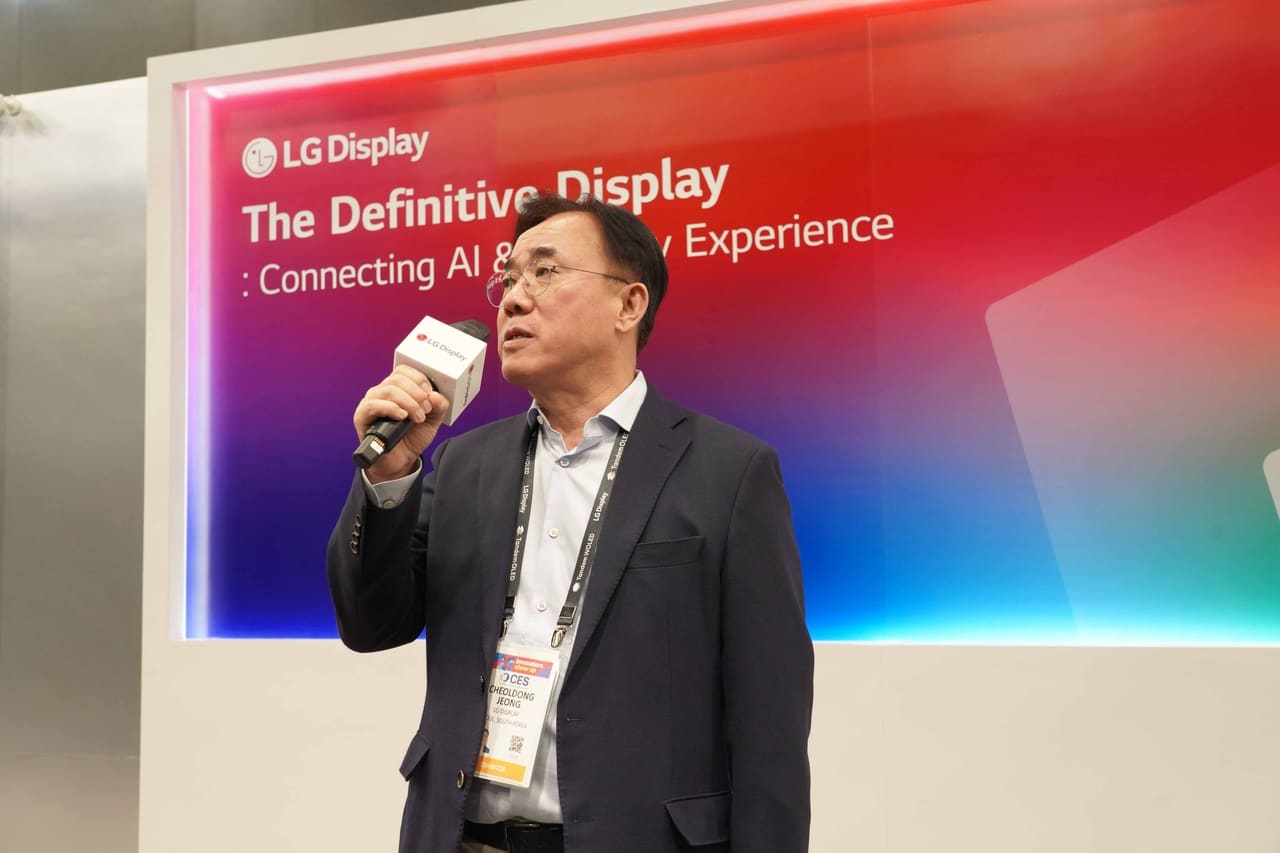
LG Display delivered an operating profit in the first half of 2026 even as top-line revenue contracted, marking a turning point for the South Korean panel manufacturer after years of restructuring. The company reported 11.15 trillion won ($8.06 billion) in revenue for the six months through June, a 4.3 percent drop from the same period in 2025, according to regulatory filings.
What changed was not volume but efficiency. Cost of sales fell 7.5 percent to 9.62 trillion won, pulling the cost-of-sales ratio down to 86.3 percent from 89 percent a year earlier. That 2.7 percentage point improvement translated directly into operating margin, allowing the display maker to post a profit despite weaker demand.
The shift reflects the payoff from LG Display's multi-year pivot away from liquid crystal display panels, a commodity business where pricing power has eroded steadily as Chinese rivals expanded capacity. The company has been shuttering older LCD fabs and redirecting capital toward OLED screens for premium smartphones, tablets, and televisions.
Post-LCD Economics
LCD manufacturing became a margin trap for legacy players as overcapacity flooded the market. Panel prices fell below cash costs for extended periods, forcing Korean and Japanese producers to either exit or accept persistent losses. LG Display chose the former, closing its last major LCD television panel line in South Korea in late 2023 and winding down production in China.
The economics of OLED are structurally different. Higher barriers to entry, more complex manufacturing processes, and tighter supply have kept pricing more stable. Apple's continued use of LG Display's OLED panels in iPhone models provides both volume and margin stability, while the television OLED business - though smaller - commands premium pricing.
Restructuring also meant headcount reductions and facility consolidations. The company trimmed fixed costs, renegotiated supplier contracts, and streamlined logistics. Those changes are now visible in the cost-of-sales line, which includes raw materials, labor, depreciation, and utilities.
Regional Context
LG Display's turnaround mirrors a broader recalibration across Asia's display industry. Samsung Display, its domestic rival, exited LCD production even earlier and now focuses almost exclusively on OLED for mobile devices and premium TVs. Japan's JDI has struggled to replicate that pivot, posting consecutive annual losses as it remains partially tied to LCD for automotive and industrial applications.
Chinese panel makers - BOE, TCL CSOT, and HKC - now control roughly 60 percent of global LCD capacity. Their scale and lower labor costs make it nearly impossible for Korean producers to compete in that segment. The strategic response has been vertical: move up the value chain into flexible OLED, micro-LED research, and automotive display systems where design and integration matter more than unit cost.
South Korea's government has supported the transition through tax incentives for advanced manufacturing and R&D grants targeting next-generation display technologies. The country's National Pension Service, a major institutional shareholder in both LG Display and Samsung Display, has also backed restructuring plans that prioritize long-term margin health over short-term revenue growth.
What Comes Next
LG Display's first-half results offer evidence that the post-LCD model can work, but the test will be sustaining profitability as OLED competition intensifies. Chinese manufacturers are ramping OLED production, and Apple - LG Display's largest customer - continues to dual-source panels to maintain negotiating leverage.
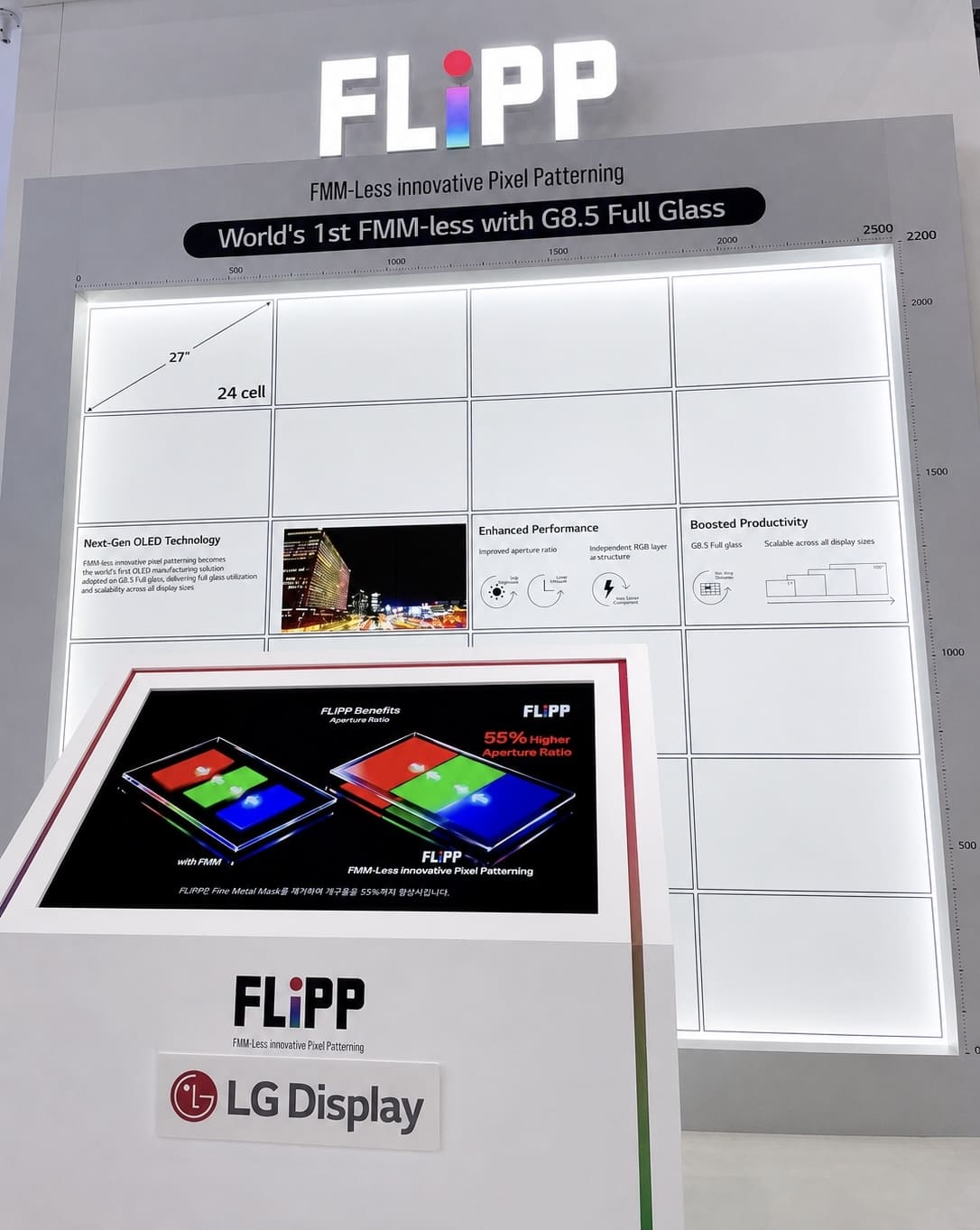
The company is investing in next-generation OLED technologies, including tandem-stack architectures that promise better brightness and longer lifespan for tablets and laptops. It is also developing transparent and flexible displays for automotive and commercial applications, though these remain pre-commercial.
Investor focus will remain on whether the cost-of-sales ratio can be pushed lower and whether operating margins can reach mid-single digits, a threshold the company has not consistently cleared since 2018. The first-half swing to profit is a start, but the display industry's history is littered with false recoveries.
RELATED STORIES
LG Display Unveils Mask-Free OLED Tech That Boosts Brightness and Lifespan
Cheng Wei-Lun · 3 min
South Korea's Chip Concentration Carries Lower Risk Than Taiwan's, Financial Analysis Shows
Cheng Wei-Lun · 3 min
Dreame Targets Korea as Premium Smart-Home Hub Beyond Robot Vacuums
Cheng Wei-Lun · 3 min
SK Hynix Eyes Miyagi Memory Fab as Japan Push Takes Shape
Cheng Wei-Lun · 3 min
Spot something wrong? Email editor@briefasia.com. We log every correction publicly.