Technology · Policy
South Korea's Chip Concentration Carries Lower Risk Than Taiwan's, Financial Analysis Shows
While semiconductor exports drive economic growth in Seoul, analysts suggest the nation's industrial structure may buffer it against single-sector vulnerabilities that concern Taiwan watchers.
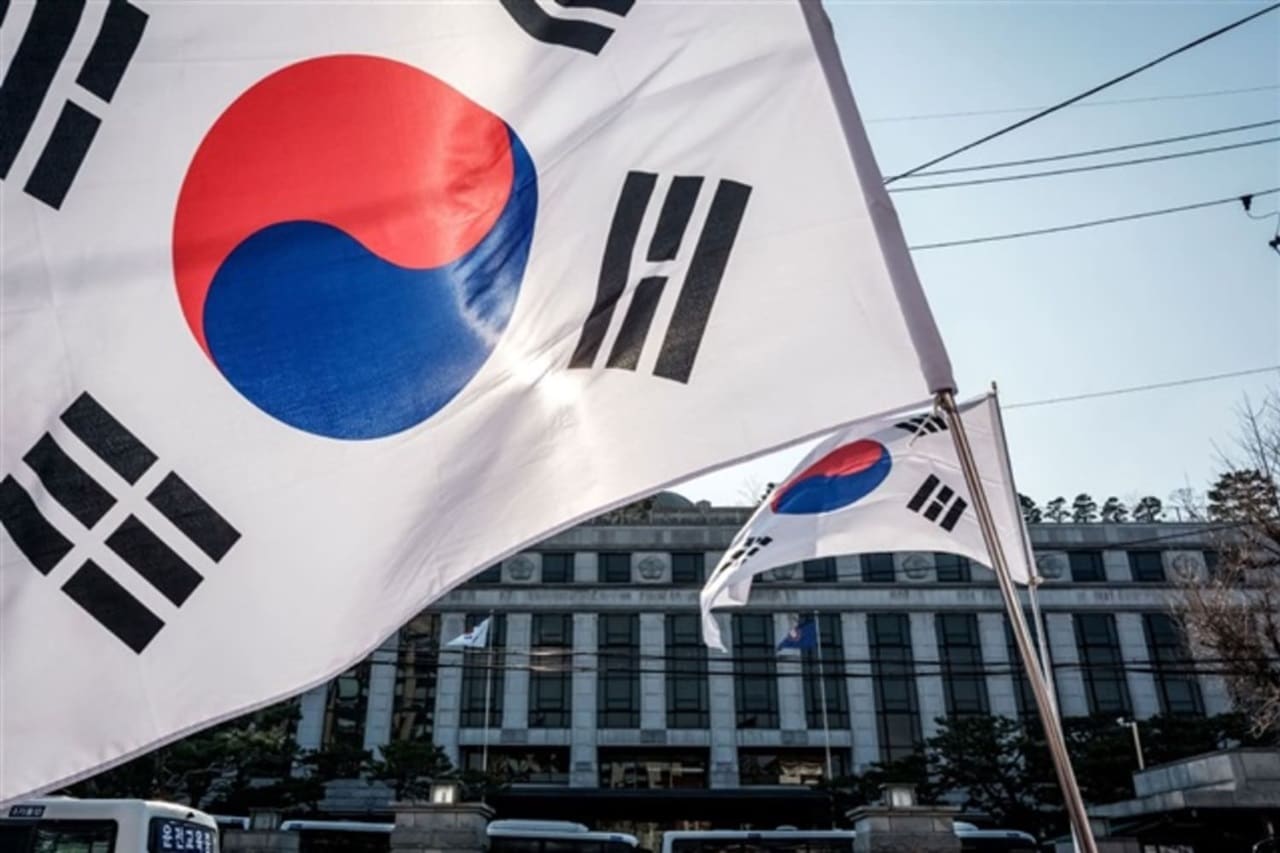
KEY TAKEAWAYS
- ·South Korea's semiconductor exports drive growth, but recent financial analysis indicates lower concentration risk compared to Taiwan due to broader industrial diversification.
- ·Structural differences include South Korea's chaebol system spreading capital across sectors and significant export positions in petrochemicals, autos, and shipbuilding beyond chips.
- ·Taiwan's economy shows tighter coupling to chip performance, with TSMC representing a larger share of national output and fewer offsetting sectors at comparable scale.
A Tale of Two Chip Economies
South Korea's semiconductor sector continues to anchor national export performance, yet the economy may be better insulated from concentration risk than its regional rival Taiwan, recent financial assessments indicate. The divergence stems from structural differences in how each nation's chip industry integrates with broader economic activity.
Both economies count semiconductors as their largest export category, with chip shipments driving trade surpluses and employment. Yet Seoul's exposure carries distinct characteristics that may reduce vulnerability to sector-specific shocks, analysts note.
Structural Buffers in Play
South Korea's industrial base extends across multiple global supply chains beyond chips. The country maintains significant export positions in petrochemicals, automobiles, shipbuilding, and consumer electronics, creating revenue streams that operate independently of semiconductor cycles. Samsung and SK Hynix dominate memory chip production, but their parent conglomerates span sectors from construction to telecommunications, distributing risk across business lines.
Taiwan's economy, by contrast, exhibits tighter coupling between semiconductor performance and national output. TSMC alone accounts for a substantial portion of the island's market capitalization and export value, with limited sectoral diversification at comparable scale. When chip demand softens, the ripple effects move more directly through Taiwan's labor market and fiscal accounts.
Capital Allocation Patterns
Investment flows reveal another distinction. South Korean conglomerates allocate capital across portfolio companies, enabling internal redeployment during downturns in any single industry. This chaebol structure, while criticized for governance issues, functions as a shock absorber when chip margins compress. Profits from automotive or chemical divisions can sustain research spending in semiconductors during lean quarters.
Taiwan's semiconductor ecosystem, heavily weighted toward foundry services and IC design, concentrates capital in a narrower band of activities. The specialization delivers efficiency advantages but leaves fewer internal hedges when export demand shifts.
Geopolitical Exposure Asymmetries
Geographic considerations further separate the two models. South Korea maintains manufacturing footprint in Vietnam, China, and increasingly the United States, diversifying production risk. Taiwan's advanced node capacity remains concentrated on the island itself, creating singular points of vulnerability that financial markets price into risk premiums.
Export destination mix also differs. South Korea ships memory chips to data center operators, smartphone manufacturers, and industrial clients across regions. Taiwan's foundry model ties revenue more closely to U.S. tech giants and their product cycles, amplifying sensitivity to specific end-market dynamics.
What the Data Suggests
Recent trade figures underscore the divergence. South Korea posted export growth across multiple categories even as chip shipments fluctuated quarter to quarter. Taiwan's export volatility has tracked semiconductor order books more closely, with fewer offsetting movements from other sectors.
Financial institutions analyzing sovereign risk now factor these structural differences into credit assessments. While both nations face challenges from chip cycle volatility, South Korea's broader industrial base appears to provide more cushion against sector-specific downturns.
The Concentration Debate Continues
The analysis does not diminish Taiwan's technological edge in advanced node production or its central role in global chip supply. Rather, it highlights how economic structure shapes resilience to concentration risk. Taiwan's specialization delivers unmatched capabilities in leading-edge manufacturing; South Korea's diversification offers different forms of stability.
As both economies navigate U.S.-China technology competition and shifting supply chain architectures, these structural distinctions will likely influence how each responds to external shocks. For investors and policymakers tracking Asian semiconductor exposure, understanding the differences between concentration and vulnerability has become essential.
RELATED STORIES
Samsung Breaks Ground on $4.3 Billion HBM Packaging Plant in South Korea
Cheng Wei-Lun · 4 min
Samsung Secures Pricing Leverage as 4nm Foundry Capacity Books Through 2027
Cheng Wei-Lun · 4 min
Samsung Unveils $80 Billion Buyback in Bid to Restore Investor Confidence
Cheng Wei-Lun · 3 min
Korean Cable Maker Wins $143 Million US AI Data Center Contract
Cheng Wei-Lun · 3 min
Spot something wrong? Email editor@briefasia.com. We log every correction publicly.