Finance · Deals
Samsung SDI Sells $3.2 Billion Display Unit Stake to Fund Battery Expansion
The South Korean battery maker is divesting a third of its Samsung Display holdings as it pivots capital toward next-generation energy storage and EV cells
KEY TAKEAWAYS
- ·Samsung SDI is selling 13.09 million Samsung Display shares for 4.45 trillion won, representing one-third of its stake in the display affiliate.
- ·The $3.22 billion transaction will fund expansion in battery production and next-generation energy storage technologies amid intensifying regional competition.
- ·Samsung Display will acquire the shares as treasury stock at 340,000 won each, reflecting internal capital reallocation within the Samsung conglomerate.
Strategic Pivot from Displays to Batteries
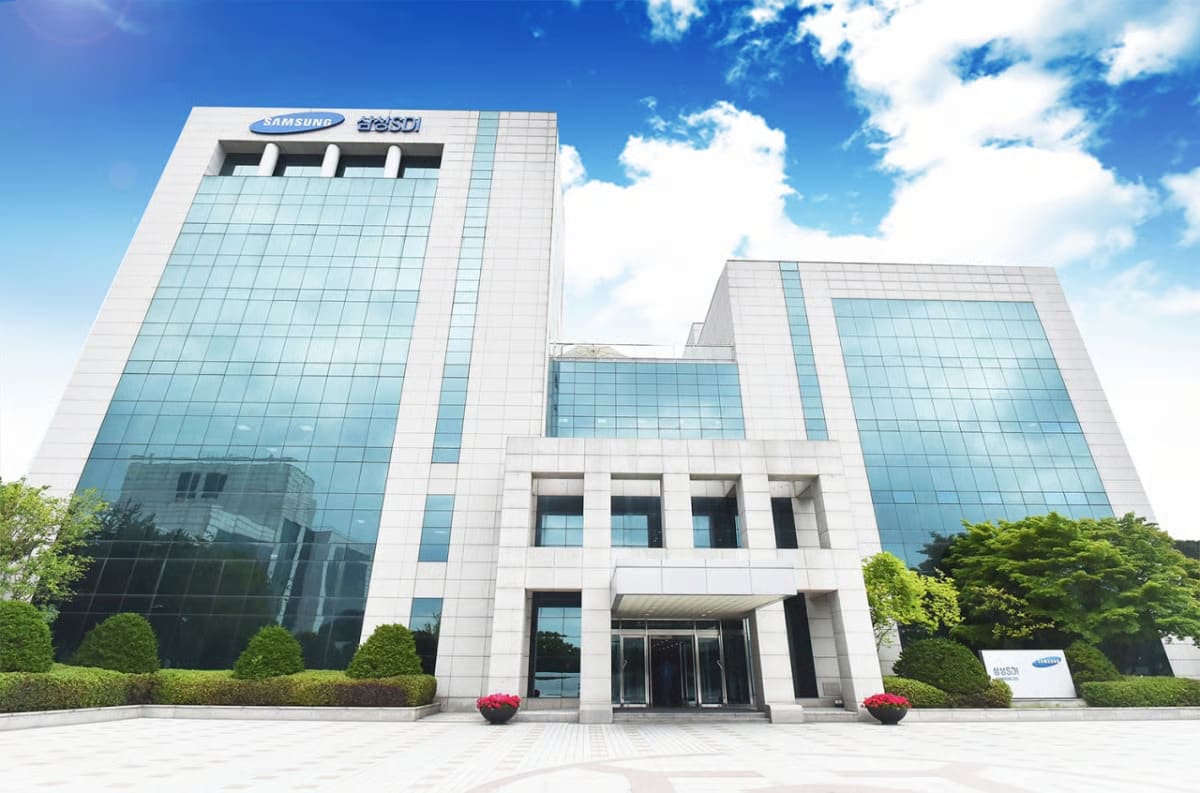
Samsung SDI announced it will divest 13.09 million shares in Samsung Display for 4.45 trillion won, marking one of the larger intra-conglomerate asset reshuffles in South Korean corporate history this year. The battery manufacturer disclosed the transaction in a regulatory filing, with Samsung Display acquiring the shares as treasury stock at 340,000 won per share.
The sale represents roughly one-third of Samsung SDI's current position in the display affiliate. Samsung SDI entered the transaction holding a significant stake accumulated over years of cross-shareholding arrangements typical of South Korean chaebol structures. The divestment leaves Samsung SDI with a reduced but still material interest in the display business, while freeing up substantial capital for redeployment.
Capital Reallocation Amid Industry Shift
Samsung SDI characterized the move as funding for "future growth businesses," a phrase that in the battery sector typically signals investment in solid-state battery research, expanded lithium-ion production capacity, and energy storage systems for grid applications. The company has been under pressure to scale manufacturing as global automakers lock in supply agreements for electric vehicle cells.
The timing aligns with a broader industry pattern across Northeast Asia. Battery manufacturers in South Korea, Japan, and China are raising capital through asset sales, secondary offerings, and strategic partnerships to meet surging demand from both automotive and stationary storage markets. Samsung SDI's peers, including LG Energy Solution and SK On, have similarly announced capacity expansion plans requiring tens of billions of dollars in capital expenditure over the next five years.
Display Business Context
Samsung Display, the entity buying back its own shares, remains the world's leading producer of OLED panels for smartphones and televisions. However, the display industry has matured considerably, with slower revenue growth and intensifying price competition from Chinese panel makers. For Samsung SDI, the display stake represented a legacy holding with limited strategic synergy to its core battery and electronic materials operations.
The buyback structure allows Samsung Display to retire shares and potentially improve per-share metrics, while Samsung SDI converts an illiquid affiliate stake into cash. The 340,000 won per-share price was likely negotiated based on recent valuations and book value, though Samsung Display remains privately held within the Samsung Group, making public price discovery unavailable.
Implications for Samsung Group Capital Allocation
The transaction reflects a deliberate rebalancing within the Samsung conglomerate, moving capital from mature display technology toward higher-growth battery and energy storage sectors. Samsung SDI has been vocal about its ambitions to compete with Chinese battery giants such as CATL and BYD, which have dominated global market share through aggressive pricing and capacity expansion.
Industry analysts expect Samsung SDI to deploy the proceeds toward expanding its production lines in South Korea, Hungary, and the United States, where it operates joint ventures with automakers including Stellantis and General Motors. The company is also investing in next-generation battery chemistries, including solid-state and lithium-metal technologies, which require substantial R&D funding.
Regional Battery Competition Heats Up
The sale comes as Asian battery makers navigate a complex landscape of subsidy regimes, supply chain pressures, and shifting automaker alliances. South Korean producers have faced margin compression as raw material costs for lithium, nickel, and cobalt have fluctuated, while Chinese competitors benefit from vertical integration and government support.
Samsung SDI's capital raise through the display stake sale provides flexibility to respond to these dynamics without taking on additional debt or diluting existing shareholders through equity issuance. The company's ability to redeploy capital internally within the Samsung Group structure offers a strategic advantage not available to standalone battery manufacturers.
The transaction is expected to close in the coming months, subject to standard regulatory approvals. Samsung SDI has not disclosed a specific timeline for deploying the proceeds, but investor presentations and recent earnings calls suggest capacity expansion and technology development will be the primary destinations for the funds.
RELATED STORIES
Kakao Splits Into Two Listed Companies in AI-Focused Restructure
Jun-ho Seo · 3 min
South Korean Battery Giants Pour $2.84 Billion Into Capacity Despite EV Demand Slump
Cheng Wei-Lun · 3 min
South Korea's Producer Prices Drop as Oil Costs Ease
Cheng Wei-Lun · 3 min
SK Hynix Shifts Profit Bonuses to Equity, Links Pay to Loss Risk
Cheng Wei-Lun · 3 min
Spot something wrong? Email editor@briefasia.com. We log every correction publicly.