Finance · Deals
Kakao Splits Into Two Listed Companies in AI-Focused Restructure
South Korea's tech giant will separate its messenger and AI operations from fintech and content businesses, creating Kakao AI and Kakao X as independent entities.
KEY TAKEAWAYS
- ·Kakao's board approved a demerger splitting the company into Kakao AI, which will control KakaoTalk and AI operations, and Kakao X, housing fintech and content.
- ·KakaoTalk serves over 47 million users in South Korea and will anchor Kakao AI alongside advertising and e-commerce businesses organized around artificial intelligence.
- ·The investment-focused Kakao X will manage fintech services, content platforms, and mobility operations as separately listed entities with independent capital structures.
A Strategic Realignment
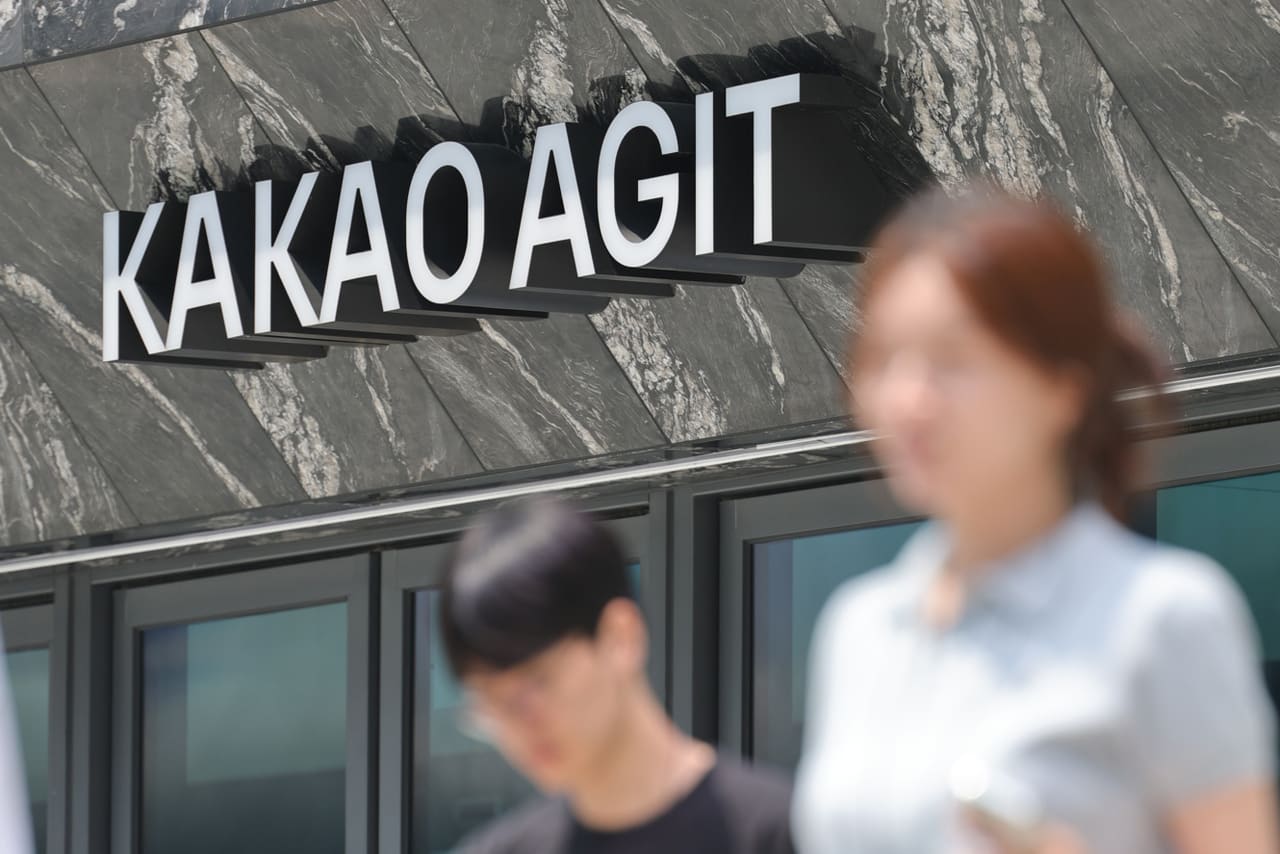
Kakao's board has greenlit a demerger that will divide the South Korean technology conglomerate into two publicly traded entities, according to the company. The restructure positions artificial intelligence as the organizing principle for the group's future operations.
The new structure creates Kakao AI, which will control KakaoTalk, the messaging platform that dominates South Korea's mobile communication landscape. That entity will also oversee the company's artificial intelligence development, advertising operations, and e-commerce divisions. The second company, Kakao X, will consolidate financial technology services, content production and distribution, and mobility platforms under an investment-oriented model.
The board approved the spin-off on Friday, with Kakao AI emerging as the newly formed corporate entity from the split.
Why the Messenger Stays With AI
The decision to pair KakaoTalk with artificial intelligence infrastructure reflects the company's bet that conversational AI and messaging will converge. KakaoTalk claims more than 47 million active users in South Korea, a country with a population of roughly 51 million, making it the de facto communication layer for consumer internet services in the market.
By bundling the messenger with AI capabilities, Kakao appears to be preparing for a future where large language models and chatbot interfaces become integrated into everyday communication tools. The advertising business, which monetizes KakaoTalk's user base, fits naturally into this revenue model.
Commerce operations also land in Kakao AI's portfolio, likely because shopping recommendations and search increasingly rely on machine learning systems to personalize user experiences and drive conversion.
The Investment Arm Takes Fintech and Content
Kakao X will operate as an investment-focused holding structure, bringing together businesses that require significant capital deployment and longer development cycles. Fintech operations, including Kakao Pay and Kakao Bank, will sit under this umbrella alongside content platforms such as Kakao Entertainment and the company's webtoon and music streaming services.
Mobility services, which include ride-hailing and navigation, will also fall under Kakao X. These businesses share a common need for ongoing infrastructure investment and regulatory navigation, particularly in South Korea's tightly controlled financial services and transportation sectors.
The investment-focused structure suggests Kakao X may operate more like a venture holding company, allocating capital across portfolio businesses rather than integrating them into a single operational platform.
Regulatory and Market Context
The split comes as South Korean regulators have increased scrutiny of Kakao's market dominance across multiple sectors. The company has faced criticism for leveraging its messenger platform to expand into adjacent markets, raising concerns about fair competition. Separating the businesses into distinct legal entities may help address some of these regulatory pressures by creating clearer boundaries between different service lines.
South Korea's technology sector has also seen a wave of restructuring as companies respond to slower growth in traditional digital advertising and e-commerce. Artificial intelligence has emerged as the primary investment theme, with firms racing to develop proprietary models and integrate AI into consumer-facing products.
The demerger will result in two independently listed companies, each with its own shareholder base and capital structure. Existing Kakao shareholders will receive stakes in both entities, though the exact distribution terms have not yet been disclosed.
What Comes Next
The timeline for completing the split remains unclear. Demergers of this scale typically require regulatory approval, shareholder votes, and months of operational separation work to untangle shared systems and contracts.
Both Kakao AI and Kakao X will need to establish independent management teams, boards, and financial reporting structures. The companies will also need to determine how to handle shared intellectual property, employee allocation, and inter-company service agreements.
Investors will be watching to see whether the separated entities can maintain growth momentum independently. Kakao AI's valuation will likely hinge on its ability to demonstrate meaningful revenue from AI products, while Kakao X's performance will depend on the profitability of its fintech and content operations in an increasingly competitive landscape.
The restructure positions Kakao to compete more directly with global technology companies that have organized their businesses around AI, while giving its fintech and content divisions the autonomy to pursue partnerships and capital raises without being tied to the messenger platform's regulatory constraints.
RELATED STORIES
Kakao Closes Door on Holding Company Structure for Split Entity
Jun-ho Seo · 3 min

South Korea's Producer Prices Drop as Oil Costs Ease
Cheng Wei-Lun · 3 min
SK Hynix Shifts Profit Bonuses to Equity, Links Pay to Loss Risk
Cheng Wei-Lun · 3 min
Singapore's Retail Fund Push Faces Test as South Korea's Leveraged ETF Losses Mount
Cheng Wei-Lun · 3 min
Spot something wrong? Email editor@briefasia.com. We log every correction publicly.