Sustainability · Mobility
Indonesia to Restart Electric Motorcycle Subsidies Next Month
Finance minister confirms September resumption as ministry finalizes regulatory framework for two-wheeler incentive program
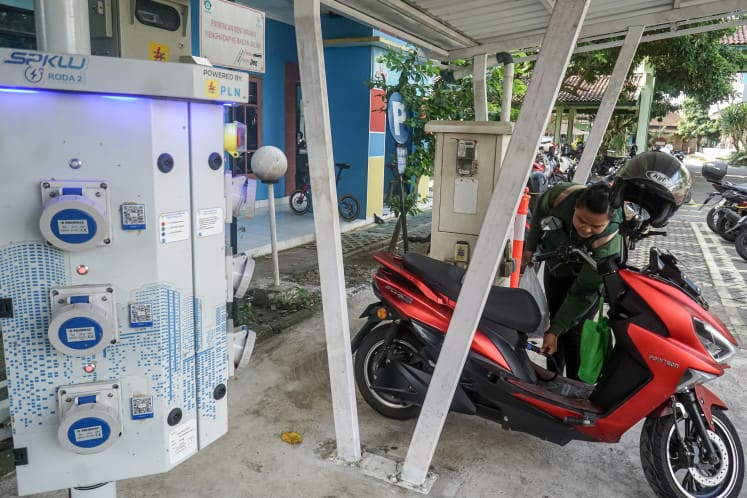
KEY TAKEAWAYS
- ·Indonesia will reinstate electric motorcycle subsidies in September, pending the Finance Ministry's issuance of a regulatory framework currently in coordination with the Industry Ministry.
- ·The subsidy aims to accelerate two-wheeler electrification in a market where motorcycles represent over 80 percent of registered vehicles, offering a high-impact emissions reduction lever.
- ·Electric motorcycle sales nearly doubled in recent months even without subsidies, driven by rising fuel costs and consumer awareness of long-term savings.
Program Returns After Pause
Indonesia will resume its subsidy program for electric two-wheelers in September, Finance Minister Purbaya Yudhi Sadewa confirmed Tuesday. The announcement comes as the government works to finalize the regulatory foundation needed to implement the incentive.
"The electric motorcycle subsidy should already be in effect by September," Purbaya told reporters at the Senayan Legislative Complex in Central Jakarta. However, the Finance Ministry has yet to issue the ministerial regulation that will serve as the legal basis for the program.
The minister said he plans to meet with Industry Minister Agus Gumiwang Kartasasmita to coordinate on the regulation's details. "He hasn't spoken to me yet. I will go and see him tomorrow," Purbaya said.
Regulatory Groundwork in Progress
Industry Minister Agus previously indicated that his ministry stands ready to launch the incentive but confirmed that technical aspects remain contingent on the Finance Ministry's regulation. The coordination between the two ministries will determine the subsidy's structure, eligibility criteria, and disbursement mechanisms.
The regulatory delay reflects the complexity of aligning fiscal policy with industrial objectives in Southeast Asia's largest economy. Indonesia has made electric vehicle adoption a priority as part of its broader climate commitments and efforts to reduce fossil fuel imports, which strain the national trade balance.
Regional Context for EV Push
Indonesia's electric motorcycle subsidy fits within a wider regional trend. Vietnam, Thailand, and the Philippines have each introduced incentives to accelerate two-wheeler electrification, recognizing that motorcycles account for the majority of urban transport in Southeast Asian cities. In Indonesia alone, motorcycles represent more than 80 percent of registered vehicles, making two-wheeler electrification a high-impact lever for emissions reduction.
The country's push for electric mobility also aligns with its ambitions to develop a domestic battery supply chain. Indonesia holds significant nickel reserves, a critical input for lithium-ion batteries, and has sought to position itself as a hub for battery production and electric vehicle manufacturing. Subsidizing domestic EV adoption creates a home market that can support local industry growth.
Sales Momentum Before Subsidy Return
Electric motorcycle sales in Indonesia have already gained traction even without active subsidies. Earlier reports indicated that sales nearly doubled in recent months, driven by rising fuel prices and growing consumer awareness of operating cost savings. The subsidy's return is expected to accelerate this momentum, particularly among price-sensitive buyers in mid-tier urban markets.
Manufacturers have welcomed the subsidy news. Several domestic and international brands have expanded production capacity in Indonesia over the past year, anticipating policy support. The subsidy will likely benefit both established players and newer entrants aiming to capture market share in the early stages of the transition.
What Comes Next
The Finance Ministry's regulation will clarify subsidy amounts, eligible models, and administrative procedures. Industry observers expect the subsidy to range between 5 and 10 million rupiah per vehicle, consistent with earlier iterations of the program. The exact figure will depend on budget allocations and the government's assessment of market conditions.
Coordination between the Finance and Industry ministries will be closely watched. Timely issuance of the regulation is critical to maintaining the September timeline and ensuring that manufacturers, dealers, and consumers can navigate the subsidy process without friction. Any delay risks dampening the sales momentum that has built in recent months.
Indonesia's electric two-wheeler subsidy represents a tangible step in the country's energy transition. With the regulatory framework nearing completion, September will test whether fiscal incentives can translate policy ambition into measurable shifts in consumer behavior and industrial investment.
RELATED STORIES
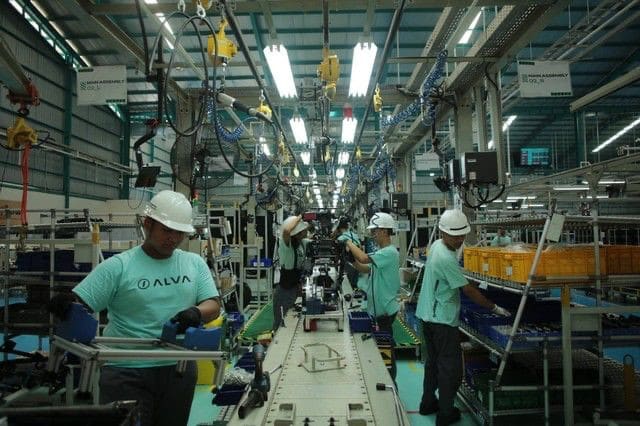
Indonesia Launches Domestic Electric Motorcycle Push to Absorb Nickel Surplus
Siti Nuraini · 4 min
Indonesia's Nickel Boom Runs on Coal, Threatening Climate Goals
Siti Nuraini · 5 min

Indonesia Faces Emissions Pressure as Petrochemical Capacity Surges
Priyanka V. Rao · 4 min
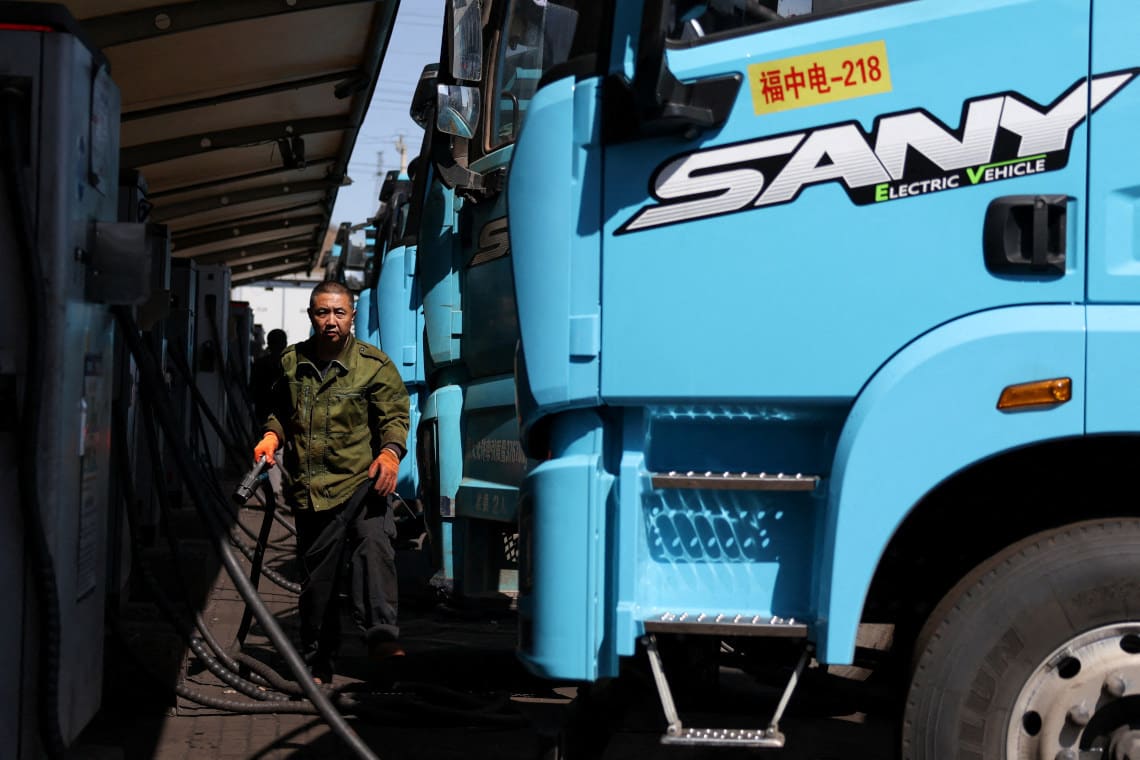
China's Electric Truck Exports Surge as Fuel Costs Rise Across Asia
Cheng Wei-Lun · 3 min
Spot something wrong? Email editor@briefasia.com. We log every correction publicly.