Sustainability · Energy
Indonesia's Nickel Boom Runs on Coal, Threatening Climate Goals
Private coal plants power the archipelago's battery-metal ambitions while global carbon rules close in on its exporters
KEY TAKEAWAYS
- ·Indonesia's nickel sector relies on 13.9 GW of captive coal power as of 2024, with most processing hubs in remote areas lacking grid access and renewable infrastructure.
- ·Only 17 per cent of Indonesia's 2025 nickel output entered EV battery supply chains, while 83 per cent went to stainless steel production.
- ·The EU Carbon Border Adjustment Mechanism and Battery Passport rules will demand emissions data, pressuring Indonesia to decarbonize or lose access to Western markets.
The Coal Behind the Battery Dream
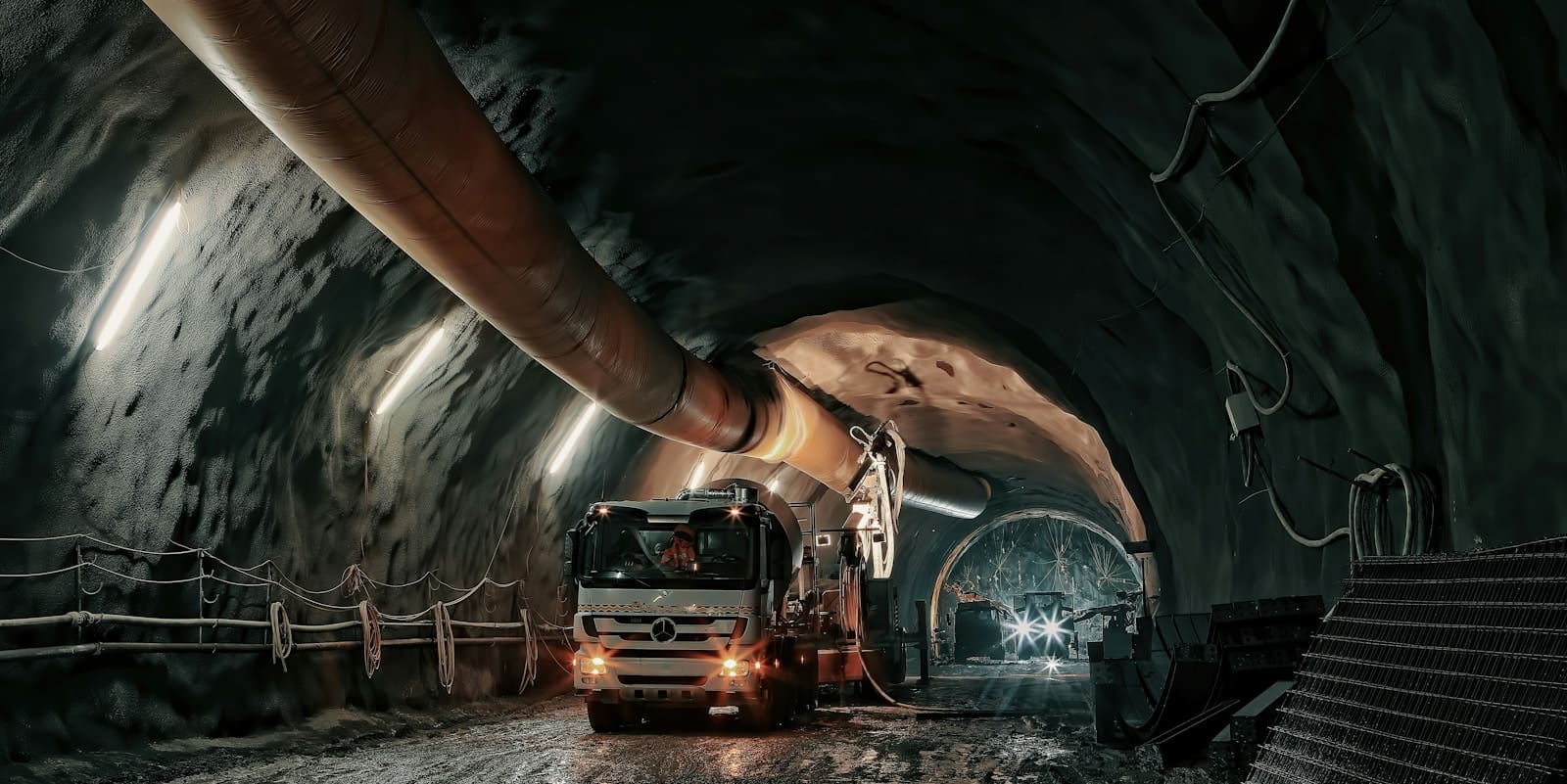
Indonesia's rise as the world's largest nickel supplier was supposed to accelerate the shift away from fossil fuels. Instead, the archipelago's industrial expansion is locking in coal for decades. Nearly 20 gigawatts of privately owned coal plants supply factories directly, according to data from the Just Energy Transition Partnership. Nickel processing alone accounts for 13.9 GW of that total as of 2024, dwarfing the pulp and paper sector at 3.2 GW and industrial parks at 2.4 GW.
Haykal Hubeis of the Indonesian Smelter and Refining Enterprises Association points to the technical demands of smelting. Operations run around the clock at extreme temperatures, requiring stable baseload electricity. Most processing hubs sit in remote areas where the state grid barely reaches and renewable infrastructure remains thin. Coal, he said, remains the only viable option from both a cost and reliability standpoint.
A 2022 presidential regulation aimed to ban new coal-fired plants and push renewables forward. Yet the same rule carved out an exception for captive coal tied to strategic national projects. Nickel downstreaming, the push to refine raw ore domestically rather than ship it abroad, sits at the top of that priority list. Critics argue the exemption has opened a loophole wide enough to sustain coal expansion under the guise of industrial policy.
Emissions Vary Wildly Across Producers
Katherine Hasan at the Centre for Research on Energy and Clean Air flags the paradox: Indonesia supplies a critical input for global electrification, yet its nickel carries a heavy carbon load. That undercuts the climate benefit of the batteries it feeds.
A handful of operators have started to shift. Vale Indonesia, part of the Brazilian mining group, recorded emissions of 28.7 tonnes of CO₂ per tonne of nickel in 2024, the lowest among the country's top four producers, according to the Institute for Energy Economics and Financial Analysis. Vale attributes the performance to three hydropower stations serving its South Sulawesi operations, which it says avoid more than one million tonnes of CO₂ equivalent annually compared with coal.
Dwi Cahya Agung Saputra at the Institute for Essential Services Reform notes that Vale and similar firms serve buyers willing to pay a premium for low-carbon material. They also benefit from geographic advantages, available land, and access to capital that make renewable projects feasible.
Other companies present a more fractured picture. PT Trimegah Bangun Persada, part of the Harita Group, shows emissions intensity that swings depending on the product line. Its ferronickel output remains carbon-heavy, while battery-grade material comes in much cleaner, reflecting different energy inputs and processing routes. Saputra argues that any credible decarbonization effort must be tailored company by company, rather than imposed as a blanket mandate.
A Roadmap Without Detail
In June 2025, Jakarta launched the National Nickel Industry Decarbonization Roadmap, targeting an 81 per cent reduction in greenhouse gas emissions by 2045. The plan leans heavily on renewable electricity to displace captive coal, with smaller roles for green hydrogen, biomass, and expanded natural gas networks. A separate roadmap covering nine industrial sectors, including cement, fertilizer, automotive, and textiles, is still in draft.
Saputra identifies critical gaps in the nickel plan. It does not, he says, rethink how smelters are sited. Current practice locates facilities near ore deposits; a cleaner approach would prioritize areas with strong renewable potential. The roadmap also lacks granular assessments of regional wind, solar, and hydro resources, making it difficult to translate ambition into actionable site selection.
In February, the Institute for Essential Services Reform published a framework that sorts energy-intensive industries into six archetypes, each requiring a distinct pathway. "Pragmatic switchers" operate legacy coal plants near the state grid and could connect to PLN electricity. "Industrial estate tenants" sit inside private parks and would need to negotiate with utility operators to add renewable capacity. "Remote microgrid pioneers" in isolated areas would rely on hybrid solar and battery systems. "Bio-resource integrators" could convert organic waste into thermal energy and baseload power.
Saputra stresses that none of these pathways will gain traction without regulatory support. He calls for transparent transmission fees that let companies pay PLN to wheel renewable electricity through the grid, tax incentives and loan guarantees for off-grid microgrids, and low-interest financing for capital-intensive renewable projects. The institute has also released an interactive map estimating 7,879 GW of renewable capacity and 7,309 GWh of pumped hydro storage potential across Indonesia.
Hasan says think tanks have already laid out multiple routes forward. The next move belongs to the government, which must either adopt existing recommendations or craft a more coherent strategy of its own.
Trade Rules Tighten the Squeeze
Global policy is tightening the vise. The European Union's Carbon Border Adjustment Mechanism will impose levies on high-carbon imports, including nickel and steel. Battery Passport requirements will demand full supply-chain emissions data. Hasan warns that if Indonesia intends to anchor itself as an EV battery hub, it must act quickly or risk losing market access.
Research by the Centre for Research on Energy and Clean Air in 2026 found that high emissions intensity is already eroding the competitiveness of Indonesian nickel in Western markets. Only 17 per cent of the country's 2025 nickel output entered EV battery supply chains; the remaining 83 per cent went to stainless steel, a sector with lower environmental scrutiny.
Harry Warganegara at the Indonesian Iron and Steel Industry Association calls CBAM a wake-up signal. Buyers will increasingly demand emissions certifications and proof that production meets stronger environmental standards, he said.
Adinova Fauri at the Centre for Strategic and International Studies notes that pressure from CBAM has yet to drive significant change in Indonesian industry. One reason is that China, the country's largest trading partner for energy-intensive goods, has not applied comparable environmental standards. But Fauri cautions against complacency. More countries are likely to adopt carbon-related trade measures, and Indonesia must prepare before those mechanisms become the norm, he said.
The archipelago's industrial ambitions now face a stark choice: decarbonize quickly and retain access to premium markets, or watch its nickel lose value as carbon accounting becomes standard practice in global trade.
RELATED STORIES

Indonesia Faces Emissions Pressure as Petrochemical Capacity Surges
Priyanka V. Rao · 4 min
Indonesia to Restart Electric Motorcycle Subsidies Next Month
Siti Nuraini · 3 min
Indonesia Launches Domestic Electric Motorcycle Push to Absorb Nickel Surplus
Siti Nuraini · 4 min
KB Kookmin Bank Clears Jakarta's New Holding Company Threshold
Cheng Wei-Lun · 2 min
Spot something wrong? Email editor@briefasia.com. We log every correction publicly.