Asia · Trade
Indonesia Pushes for EU Trade Deal Signing Ahead of Year-End Tariff Cliff
Jakarta aims to finalize the IEU-CEPA by October as its preferential access to European markets expires in December, with 90 percent of tariff lines set for elimination.
KEY TAKEAWAYS
- ·Indonesia is targeting October to sign the Comprehensive Economic Partnership Agreement with the European Union, ahead of the December expiration of its Generalized Scheme of Preferences tariff facility.
- ·The agreement will gradually eliminate tariffs on approximately 90 percent of Indonesian goods entering EU markets, covering key export categories including textiles, electronics, and automotive components.
- ·Jakarta expects the deal to unlock European investment in strategic sectors including battery manufacturing, critical mineral processing, renewable energy, and digital infrastructure, leveraging Indonesia's nickel reserves and downstream capacity.
Racing Against the Clock
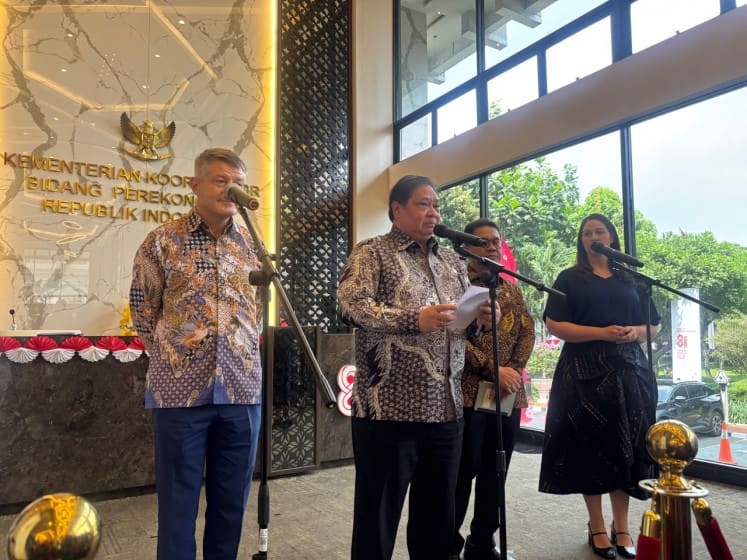
Indonesia is working to finalize the Comprehensive Economic Partnership Agreement with the European Union by October, with senior EU officials expected to visit Jakarta in late October or early November for the signing ceremony. The timeline reflects Jakarta's urgency to secure continuity in trade relations before its Generalized Scheme of Preferences facility expires at year-end.
Coordinating Economy Minister Airlangga Hartarto confirmed the government is preparing the English-language version of the agreement while Trade Minister Budi Santoso has begun consultations with the House of Representatives on ratification procedures. Both signatures and parliamentary approval are required before the deal takes effect.
The GSP facility currently provides Indonesian exports with special tariff treatment in EU markets. Without a replacement mechanism in place by December, Indonesian goods would face standard tariff rates, potentially eroding competitiveness against regional rivals who already enjoy preferential access to the bloc.
Tariff Elimination and Market Access
The IEU-CEPA will progressively remove duties on approximately 90 percent of tariff lines for Indonesian products entering the European Union. The phased approach allows both sides to adjust to new competitive dynamics while maintaining protection for sensitive sectors.
Indonesia's export portfolio to Europe spans palm oil, textiles, footwear, electronics, and automotive components. The archipelago shipped USD 20.3 billion worth of goods to EU member states in 2025, making the bloc its fourth-largest export destination after China, the United States, and Japan.
European negotiators secured commitments on sustainability standards and labor protections during the talks, reflecting Brussels' emphasis on linking trade access to environmental and social benchmarks. Indonesian officials accepted these provisions as necessary trade-offs for maintaining market share in a highly regulated destination.
Investment Pivot to Critical Infrastructure
Beyond merchandise trade, Jakarta expects the agreement to accelerate European capital flows into sectors aligned with Indonesia's industrial upgrading ambitions. Airlangga noted increasing frequency of business delegations and ministerial visits from EU countries, signaling renewed interest in Southeast Asia's largest economy.
Priority sectors for European investment include electricity generation, hydropower projects, battery manufacturing, renewable energy installations, digital infrastructure, advanced manufacturing, critical mineral processing, water management systems, and sustainable infrastructure. Several of these align with the European Union's strategy to diversify supply chains away from single-country dependencies.
Indonesia holds significant reserves of nickel, cobalt, and rare earths essential for electric vehicle batteries and renewable energy systems. The government has implemented export restrictions on unprocessed minerals to push foreign investors toward building domestic refining and processing capacity, a policy that has drawn both European investment and friction over market access.
Ratification Timeline and Political Hurdles
The agreement must clear parliamentary approval in Indonesia and ratification by the European Parliament and all 27 member states before entering into force. The Indonesian House of Representatives has historically moved slowly on trade agreements, raising questions about whether the government can bridge the gap between GSP expiration and CEPA implementation.
Trade Minister Budi Santoso's consultations with lawmakers aim to expedite the domestic approval process. The administration is emphasizing the economic cost of reverting to standard EU tariff rates, particularly for labor-intensive sectors like textiles and footwear that employ millions of workers across Java and Sumatra.
European ratification faces its own challenges, with some member states and parliamentary blocs raising concerns over deforestation linked to palm oil production and labor standards in Indonesian export industries. Brussels has conditioned trade benefits on measurable progress in these areas, creating potential friction points during implementation.
Regional Context and Competitive Pressure
Indonesia's push to lock in the EU agreement reflects broader competitive dynamics in Southeast Asia. Vietnam secured a free trade agreement with the European Union in 2020, giving Hanoi a head start in tariff-free access. Thailand and the Philippines have both launched exploratory talks with Brussels, intensifying the race for preferential terms.
The expiration of GSP benefits would place Indonesian exporters at a disadvantage relative to Vietnamese competitors in key categories like garments, furniture, and processed foods. Industry associations have warned that even a temporary gap in preferential access could lead to permanent market share losses as European buyers shift sourcing to alternative suppliers.
Jakarta's negotiating position has been strengthened by Europe's desire to reduce dependence on Chinese supply chains for critical minerals and battery materials. Indonesia's nickel dominance and growing downstream processing capacity make it an attractive partner for European automakers and battery producers seeking secure, diversified sources.
The October signing target represents an ambitious but achievable timeline if both sides maintain political momentum. The real test will come in the months that follow, as the agreement moves through the complex ratification machinery on both sides of the partnership.
RELATED STORIES
Indonesia's Mineral Exchange Launch Faces Liquidity and Governance Hurdles
Siti Nuraini · 4 min
Indonesia Cuts EV Motorcycle Subsidy by More Than Half
Siti Nuraini · 3 min
Nusantara Budget Cuts Signal Shifting Priorities Under Prabowo
Siti Nuraini · 3 min
Nearly 10 Million Young Indonesians Are Neither Working Nor Studying
Siti Nuraini · 4 min
Spot something wrong? Email editor@briefasia.com. We log every correction publicly.