Sustainability · Energy
Private Capital Stalls at Indonesia's Industrial Coal Plants Despite Transition Pledges
Blended finance models struggle to reach captive power sector as policy gaps and project complexity deter investors from $31 billion decarbonisation opportunity
KEY TAKEAWAYS
- ·Indonesia's off-grid industrial coal plants require $31 billion in transition investment through 2030, with nickel facilities accounting for $2.5 billion annually, yet most JETP funding targets grid utilities instead.
- ·Blended finance models struggle to reach captive power projects due to limited public subsidies, technical complexity at remote sites, and the government's reversal of the Cirebon-1 early retirement deal in 2025.
- ·Policy uncertainty and the absence of a comprehensive industrial decarbonisation roadmap deter foreign investors, while no public estimate exists for how much private capital must fill the financing gap.
The Stranded Asset Problem
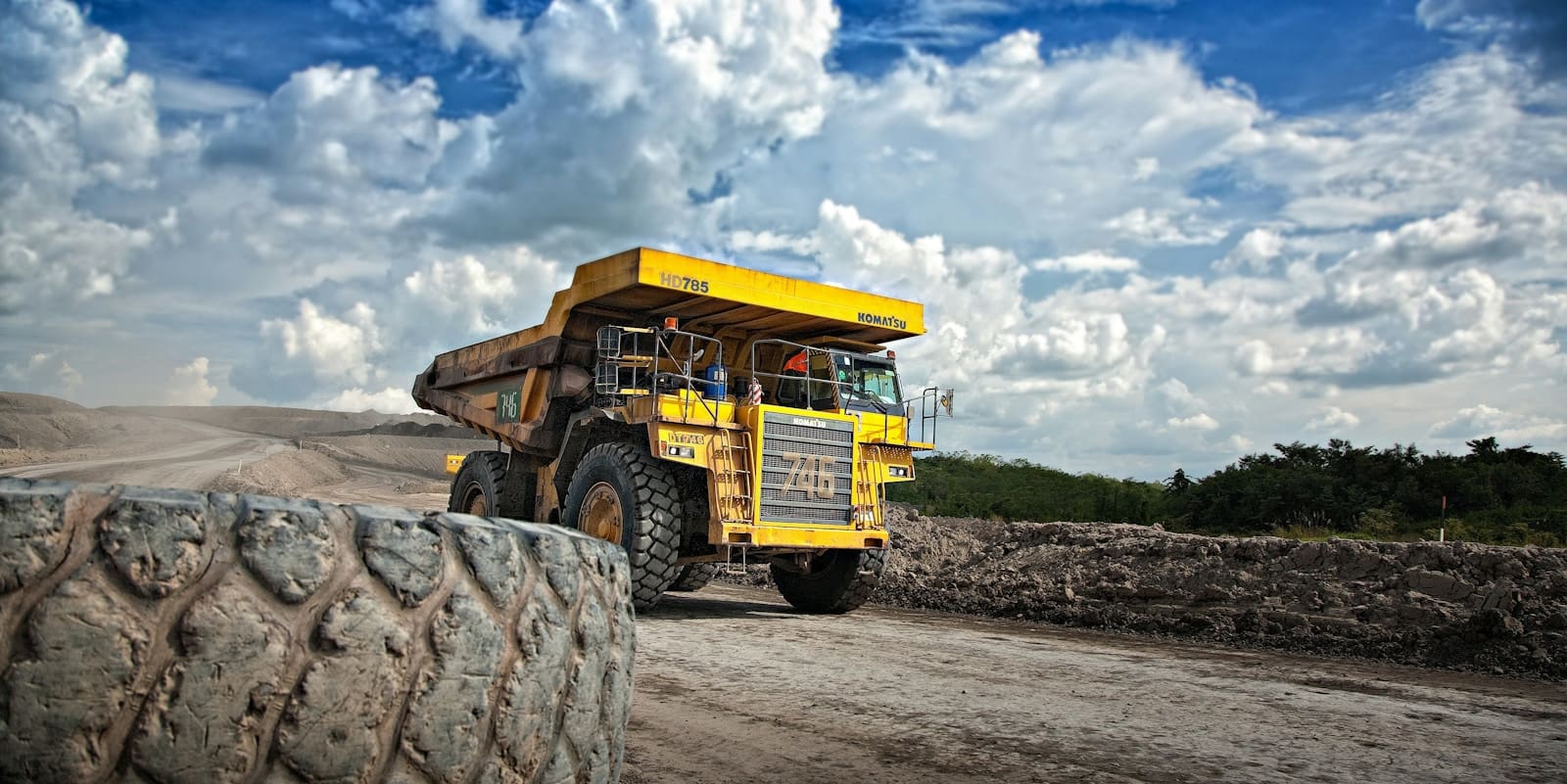
Indonesia's industrial facilities operate more than 200 off-grid coal stations that power nickel smelters, aluminium refineries, and pulp mills across the archipelago. These captive plants represent a $92 billion decarbonisation challenge through 2050, yet international climate finance continues to bypass them in favor of grid-connected utilities.
The Just Energy Transition Partnership, which mobilized $21.8 billion since its 2022 launch, has directed most capital toward public electricity infrastructure. Meanwhile, industrial operators burning coal on-site remain largely outside the scope of transition funding mechanisms, creating a parallel energy system that institutional investors struggle to address.
Nickel facilities alone require $2.5 billion annually through 2030, accounting for nearly half of all industrial transition spending needs. Aluminium smelters follow at $1 billion per year, with steel, mining, and paper operations comprising the remainder, according to JETP planning documents.
Why Blended Models Falter
Public-private financing structures that combine concessional loans with commercial capital have gained traction in renewable energy deployment, but face distinct obstacles when applied to industrial coal retirement.
The Asian Development Bank's attempt to retire the Cirebon-1 coal plant in West Java illustrated these constraints. Under a 2023 framework agreement structured through the bank's Energy Transition Mechanism, the facility was set to close almost seven years ahead of schedule. Indonesian authorities reversed the decision in 2025, arguing that older plants should take priority and questioning whether the remaining operational life justified early closure.
Tiza Mafira at Climate Policy Initiative noted that commercially marginal projects receive insufficient public subsidy to attract private co-investment. Grant funding remains scarce, and risk-sharing instruments have not scaled to match the industrial sector's capital requirements.
Danantara Indonesia, a sovereign wealth fund established in 2025, has identified renewable energy as a priority sector and partnered with state utility PLN on infrastructure initiatives. However, the fund has not earmarked specific allocations for captive coal retirement, leaving the financing pathway unclear.
Technical Complexity as Investment Barrier
Industrial decarbonisation presents engineering challenges that differ fundamentally from grid power transitions. Heat intensity, process integration, and site-specific energy loads complicate standardized financing models.
Textile operations offer relatively straightforward investment cases, where renewable electricity substitution delivers measurable cost savings. Facilities with available land can install solar arrays and present banks with clear revenue projections.
Mining complexes and processing zones on remote islands face steeper hurdles. Limited grid access, constrained land availability, and higher capital costs for off-grid renewable systems push project returns below investor thresholds. Infrastructure typically concentrates on Java, Sumatra, and Kalimantan, leaving smaller islands with fewer viable alternatives to coal.
Mafira observed that once technical execution plans achieve sufficient clarity, capital generally follows if investors gain confidence in project delivery. The bottleneck lies in developing bankable proposals that address location constraints and energy density requirements.
Policy Vacuum Compounds Uncertainty
Foreign institutions have expressed interest in industrial transition finance but require regulatory clarity before committing capital, according to Adinova Fauri at the Center for Strategic and International Studies.
Indonesia's sustainable finance taxonomy remains under development, and no comprehensive industrial decarbonisation roadmap has been published. Incentive structures for early coal retirement lack definition, and exemptions for national strategic projects continue to permit new coal capacity outside regulatory restrictions.
A 2025 Climate Policy Initiative assessment identified fossil fuel subsidies, regulatory inconsistency, and mismatched financing horizons as primary barriers. Long-term decarbonisation projects require patient capital, yet most financial institutions operate on shorter return cycles.
The report recommended strengthening transition finance frameworks, expanding sustainability-linked loan programs, integrating carbon finance mechanisms, and mandating climate disclosure to improve investor transparency.
Capital Searching for Vehicles
Mafira emphasized that Indonesia's industrial profile and political economy create unique conditions without direct international precedent. Global institutions have signaled willingness to deploy capital if investment conditions improve, but bankable project pipelines remain thin.
The fundamental constraint is not capital availability but the absence of scalable platforms capable of channeling funds into executable projects. Development finance institutions, commercial banks, and private equity funds require standardized due diligence processes, risk mitigation tools, and exit strategies that current market infrastructure cannot yet support.
JETP documentation acknowledges that pledged commitments cover only a fraction of total investment needs, with mobilization of diverse capital sources essential to meeting decarbonisation targets. No public estimate exists for government contributions to captive coal transition, leaving the private sector share undefined.
As Indonesia's industrial base expands, particularly in battery metals and downstream processing, the captive power fleet will grow unless financing structures evolve to match the scale of transition requirements. Without policy clarity and technical assistance to develop investment-ready projects, private capital will continue to accumulate on the sidelines while industrial coal consumption rises.
RELATED STORIES
Indonesia's Coal Plants Drive Respiratory Crisis Beyond Wildfire Zones
Siti Nuraini · 3 min
Indonesia's Renewable Push Masks Growing Coal Dependence in Industrial Sector
Siti Nuraini · 3 min
Indonesia's Nickel Boom Runs on Coal, Threatening Climate Goals
Siti Nuraini · 5 min
Indonesia to Restart Electric Motorcycle Subsidies Next Month
Siti Nuraini · 3 min
Spot something wrong? Email editor@briefasia.com. We log every correction publicly.