Sustainability · Nature
Indonesia's Coal Plants Drive Respiratory Crisis Beyond Wildfire Zones
Java's densely populated industrial corridor logs 1.8 million respiratory cases as year-round emissions from power stations and factories compound seasonal wildfire smoke.
KEY TAKEAWAYS
- ·Indonesia recorded 15.6 million acute respiratory infection cases through mid-2026, with West Java logging over 1.8 million cases despite being far from wildfire zones.
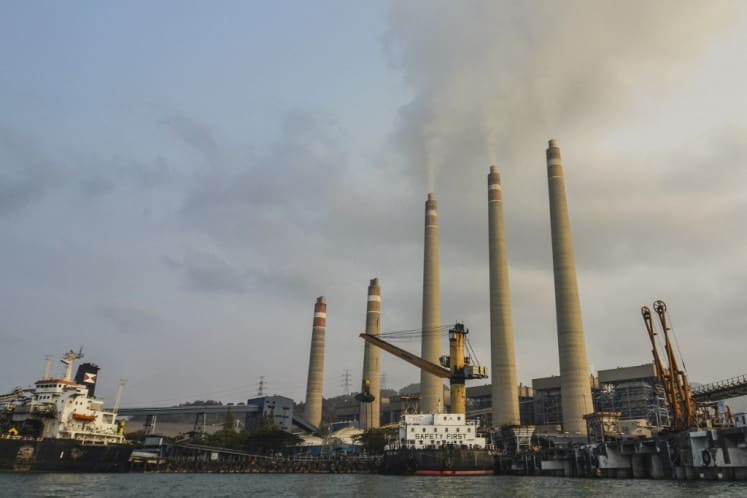
- ·The Suralaya coal complex in Banten is the most hazardous among Indonesia's 20 primary coal plants, with continued operation through 2050 projected to cause up to 156,000 premature deaths.
- ·Energy Ministry Regulation No. 10/2025 treats coal plant retirements as optional and budget-dependent, allowing indefinite operation extensions while millions remain exposed to toxic emissions.
The Numbers Behind the Crisis
Indonesia recorded approximately 15.6 million acute respiratory infection cases nationwide through mid-2026, representing a 200,000-case increase over the same period in 2025, according to the Health Ministry. The dry season has intensified wildfires across Sumatra and Kalimantan, yet the highest caseloads have emerged in Java, far from the fire zones. West Java alone registered over 1.8 million cases, with Banten and Jakarta following closely.
The geographic distribution of respiratory illness reveals a pattern that extends beyond seasonal wildfire haze. Java's densely populated industrial corridor sustains year-round exposure to vehicle exhaust, factory fumes, and coal power station emissions that operate continuously regardless of fire season.
The Suralaya Problem
The Suralaya coal complex in Banten stands out as the most hazardous facility among Indonesia's 20 primary coal plants, according to a joint study by the Centre for Research on Energy and Clean Air, the Center of Economic and Law Studies, and Trend Asia. The research assessed facilities including Cirebon, Pelabuhan Ratu, and Indramayu in West Java, estimating that continued operation of these 20 plants through 2050 could result in up to 156,000 premature deaths.
Greater Jakarta sits within a pollution corridor served by dozens of coal-fired power plants across Banten and West Java. Hundreds of factories spanning Greater Jakarta, Serang, Cikampek, and Karawang discharge emissions that cross provincial boundaries, creating a persistent exposure zone for tens of millions of residents.
Nickel Hub Projections
A separate CREA study examined coal-dependent nickel processing hubs in Central Sulawesi, Southeast Sulawesi, and North Maluku. The research projects that by 2030, localized air pollution from these facilities will claim an estimated 5,000 lives annually. The study calculates $3.42 billion in annual economic damage, alongside $235 million in projected losses for farmers and fishermen over the next 15 years as air quality degrades agricultural productivity and fishery yields.
These industrial clusters represent Indonesia's push to capture downstream value from its mineral wealth, yet the health and economic costs embedded in coal-dependent processing routes are beginning to outweigh the benefits for local communities.
Policy Gap
Energy Ministry Regulation No. 10/2025 establishes a framework for coal power plant retirements, yet the policy treats phase-outs as optional and budget-dependent rather than mandatory. This approach allows plant operators to extend operations indefinitely while citing fiscal constraints or grid reliability concerns, effectively stalling the clean energy transition.
The regulatory structure prioritizes operational flexibility over public health outcomes, leaving millions exposed to emissions that drive chronic respiratory illness, cardiovascular disease, and premature mortality. Without binding retirement timelines and enforceable air quality standards, coal plants will continue operating in population centers where exposure impacts are highest.
Regional Context
Indonesia's reliance on coal for baseload power generation mirrors patterns across Southeast Asia, where rapid industrialization has outpaced environmental safeguards. Vietnam, the Philippines, and Thailand have each grappled with coal plant siting decisions that place facilities near urban centers, compounding local air quality problems.
The economic calculus for coal retirements in the region increasingly favors accelerated phase-outs as renewable energy costs decline and health care expenditures linked to air pollution rise. Multilateral financing mechanisms, including the Just Energy Transition Partnership, aim to provide capital for early plant closures, yet implementation remains slow and conditional.
For Indonesia, the challenge is compounded by the sheer scale of its coal infrastructure and the political influence of state-owned utilities and mining companies. West Java and Banten, home to the nation's most productive industrial zones, face the starkest trade-offs between energy security and public health as coal plants anchor regional grid stability.
What Comes Next
The respiratory infection data from 2026 underscores the urgency of binding air quality standards and enforceable coal plant retirement schedules. Java's industrial corridor requires immediate regulatory intervention to reduce emissions from the dirtiest facilities, beginning with Suralaya and other aging plants that lack modern pollution controls.
Indonesia's clean energy transition will ultimately be measured not by renewable capacity additions alone, but by the speed at which coal plants exit the grid in population centers where air quality impacts are most severe. The 15.6 million respiratory cases recorded this year represent a baseline that will worsen without policy action that prioritizes public health over operational convenience.
RELATED STORIES
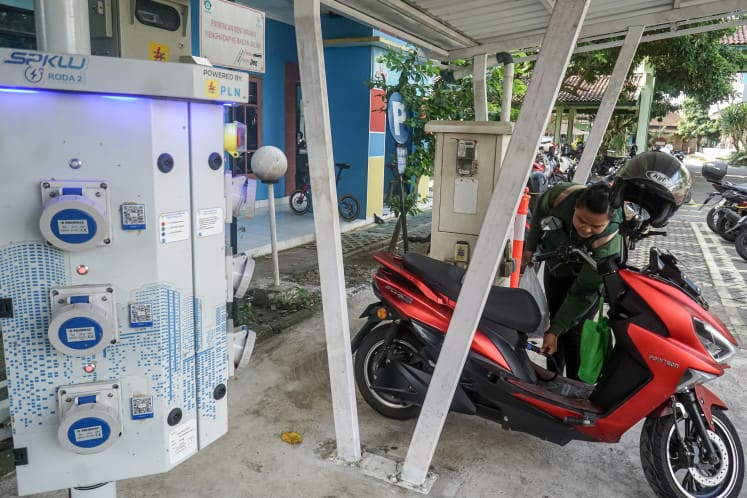
Indonesia to Restart Electric Motorcycle Subsidies Next Month
Siti Nuraini · 3 min
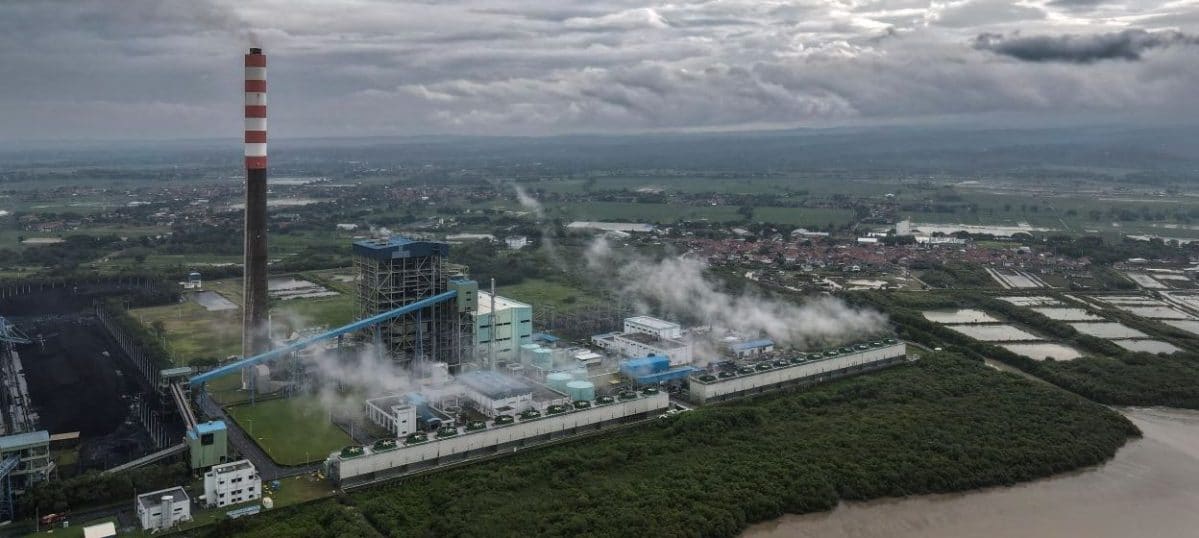
Indonesia's Renewable Push Masks Growing Coal Dependence in Industrial Sector
Siti Nuraini · 3 min
Indonesia's Nickel Boom Runs on Coal, Threatening Climate Goals
Siti Nuraini · 5 min

Indonesia Faces Emissions Pressure as Petrochemical Capacity Surges
Priyanka V. Rao · 4 min
Spot something wrong? Email editor@briefasia.com. We log every correction publicly.