Sustainability · Energy
Indonesia Seeks 100GW Solar Build From China, But Not Chinese Ownership
Jakarta wants Beijing's construction expertise for a massive renewable rollout while keeping operational control at home
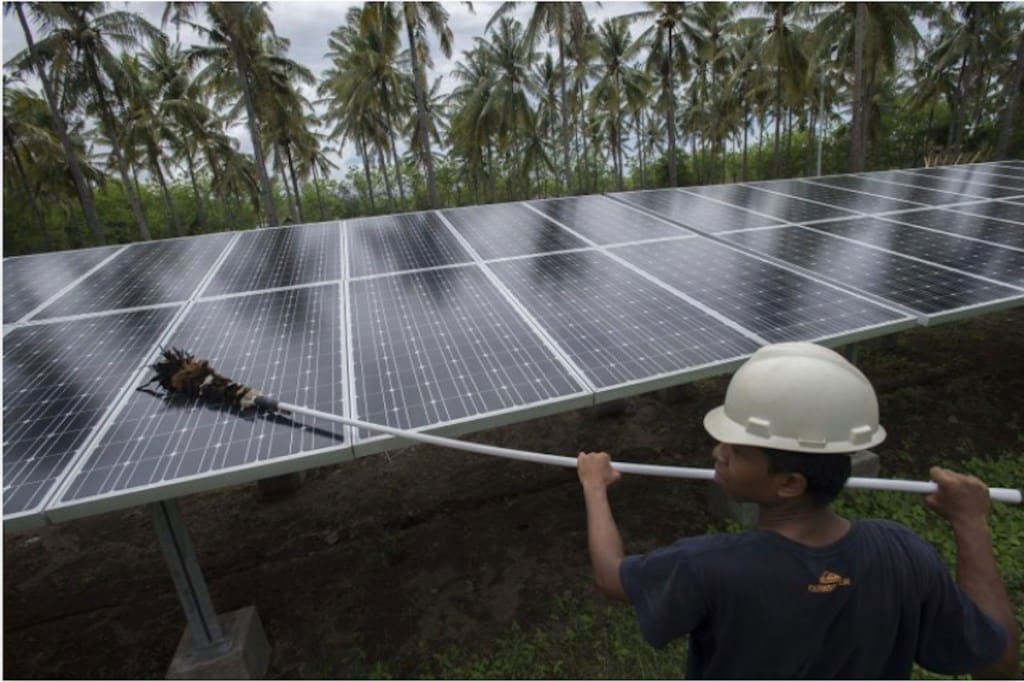
KEY TAKEAWAYS
- ·Indonesia has asked China to help build 100 gigawatts of solar capacity by 2029, enough to power 100 mid-sized cities, in a proposal made by Economy Minister Airlangga Hartarto in July.
- ·Jakarta wants China to finance and construct the plants but transfer operational control to Indonesian entities, diverging from typical Belt and Road models where Chinese firms retain long-term ownership.
- ·The project would require an estimated USD 80 billion to USD 100 billion and hinges on whether China accepts a model with limited long-term returns and whether Indonesia can manage the capacity independently.
A New Model for Energy Partnership
Indonesia has approached China with an unusual proposition: help build one of Southeast Asia's most ambitious solar programs, but let Jakarta keep the keys. Economy Minister Airlangga Hartarto made the request to Chinese Trade Minister Wang Wentao during a July 17 meeting in Shanghai, asking for investment in 100 gigawatts of new solar capacity by 2029.
The scale is substantial. That volume would be enough to electrify roughly 100 mid-sized Indonesian cities and represents one of the largest single renewable energy targets announced in the region this decade. Indonesia currently has less than 1 gigawatt of installed solar capacity, making the 2029 goal a hundred-fold increase in under five years.
What makes the proposal distinct is the structure. Jakarta is not looking for Chinese state-owned enterprises to own and operate the assets long-term, the typical model in Belt and Road infrastructure deals across Asia and Africa. Instead, Indonesia wants China to finance and construct the plants, then transfer operational control to Indonesian entities once the systems are online.
Why Indonesia Wants Construction, Not Control
The distinction reflects Indonesia's broader strategy to accelerate its energy transition without ceding strategic infrastructure to foreign hands. Solar capacity is seen as critical to the country's plan to reach net-zero emissions by 2060, and the government has grown cautious about long-term foreign ownership of power generation assets after earlier concessions in coal and geothermal projects drew public criticism.
China remains the world's largest producer of solar panels, inverters, and other photovoltaic components, and Chinese engineering firms have built more than 70% of global solar capacity added in the past five years, according to industry data. Indonesian officials believe Beijing's construction speed and cost efficiency are unmatched, but they also recognize that Chinese firms typically expect equity stakes and long-term revenue streams in exchange for upfront capital.
The 100GW target would require an estimated investment of USD 80 billion to USD 100 billion, depending on land costs and grid integration expenses. Indonesia has indicated it is open to various financing structures, including build-operate-transfer arrangements, green bonds, and blended finance vehicles that involve multilateral lenders alongside Chinese policy banks.
Political and Financial Hurdles
The proposal comes as China's overseas energy investments face increased scrutiny. Several Southeast Asian governments have renegotiated or canceled Chinese-financed power projects in recent years over concerns about debt sustainability, tariff structures, and technology lock-in. Malaysia, Pakistan, and Sri Lanka have all revised terms on Chinese-built coal plants, and Indonesia's own Batang coal project faced years of delays due to financing disputes.
Chinese firms may be less enthusiastic about a model that limits their long-term returns. Solar projects typically generate steady revenue over 20 to 25 years, and Chinese state banks have historically structured loans with the expectation that the borrower will have reliable cash flow from asset ownership. A build-and-transfer model shifts that risk to Indonesia, which would need to demonstrate that it can manage and monetize the capacity independently.
Jakarta has not yet disclosed how it plans to finance the assets post-construction or which Indonesian entities would take ownership. State utility PLN is the most likely candidate, but the company already carries significant debt and has struggled to integrate intermittent renewable sources into a grid still dominated by coal. Private Indonesian developers are another option, though few have the balance sheet or technical capacity to absorb 100GW of new solar in five years.
What Happens Next
Indonesia and China have not announced a formal agreement, and the July meeting in Shanghai did not produce a signed memorandum. Discussions are expected to continue through the remainder of 2026, with technical teams from both sides working on feasibility studies for initial pilot projects in Java and Sumatra.
If the deal moves forward, it would set a precedent for how large developing economies negotiate renewable infrastructure with China in an era of heightened concerns about sovereignty and debt. Other Southeast Asian governments are watching closely. Vietnam, Thailand, and the Philippines have all announced large solar targets in recent years but have yet to secure the financing or construction capacity to meet them at the pace Indonesia is proposing.
The outcome will depend on whether China sees strategic value in a model that trades immediate equity for long-term influence in Indonesia's energy sector, and whether Indonesia can prove it has the institutional capacity to manage what would be one of the largest solar portfolios in the developing world.
RELATED STORIES
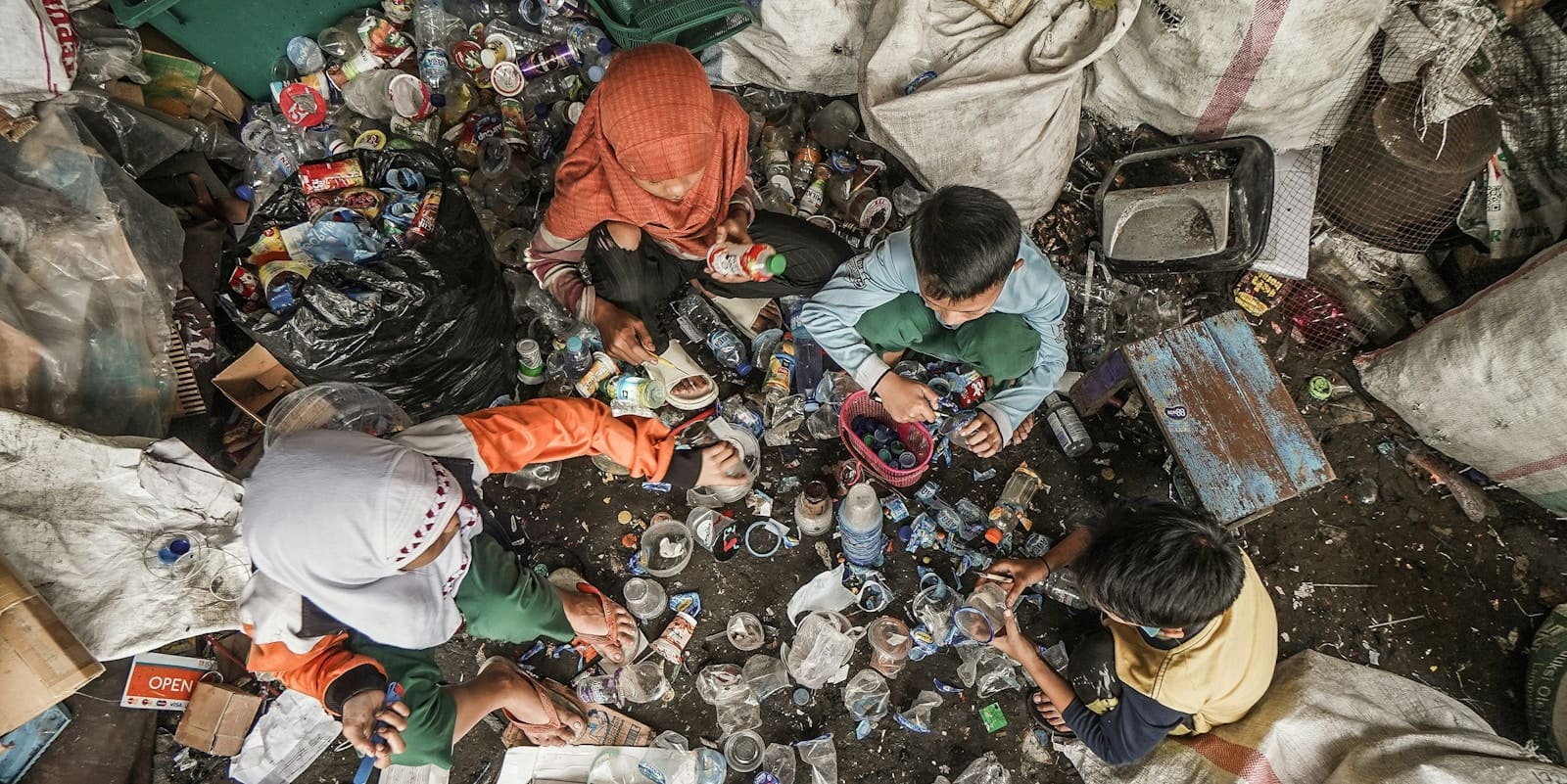
Indonesia Faces Tension Between Petrochemical Growth and Plastic Reduction Goals
Siti Nuraini · 4 min
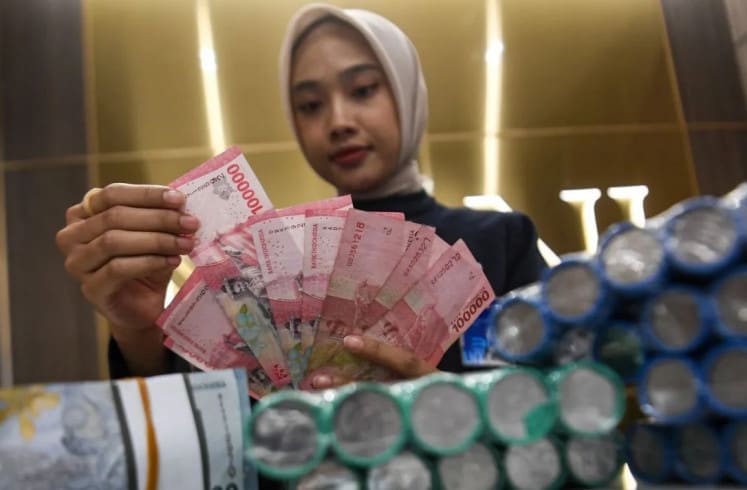
China's $1.2 Trillion Trade Surplus Threatens Indonesian Rupiah and Industry
Rajesh K. Iyer · 3 min
Indonesian Investment Climbs as Trade War Reshapes Asian Capital Flows
Siti Nuraini · 5 min
Indonesia Cuts State Funding for Nusantara as Private Investors Take Lead
Siti Nuraini · 3 min
Spot something wrong? Email editor@briefasia.com. We log every correction publicly.