Asia · Business
Indonesia Cuts State Funding for Nusantara as Private Investors Take Lead
The 2027 Budget allocates just 0.2 percent of total spending to the new capital, shifting development responsibility to the private sector
KEY TAKEAWAYS
- ·Indonesia's 2027 Budget allocates 6.7 trillion rupiah ($375 million) to Nusantara, just 0.2 percent of total government spending, as the project shifts to private-sector financing.
- ·President Prabowo Subianto's administration maintains the 2028 deadline for relocating political functions despite removing Nusantara from the eight national priority programmes.
- ·The funding pivot raises questions about whether private investors will commit enough capital to complete essential infrastructure for a functioning administrative capital.
Budget Shift Raises Stakes
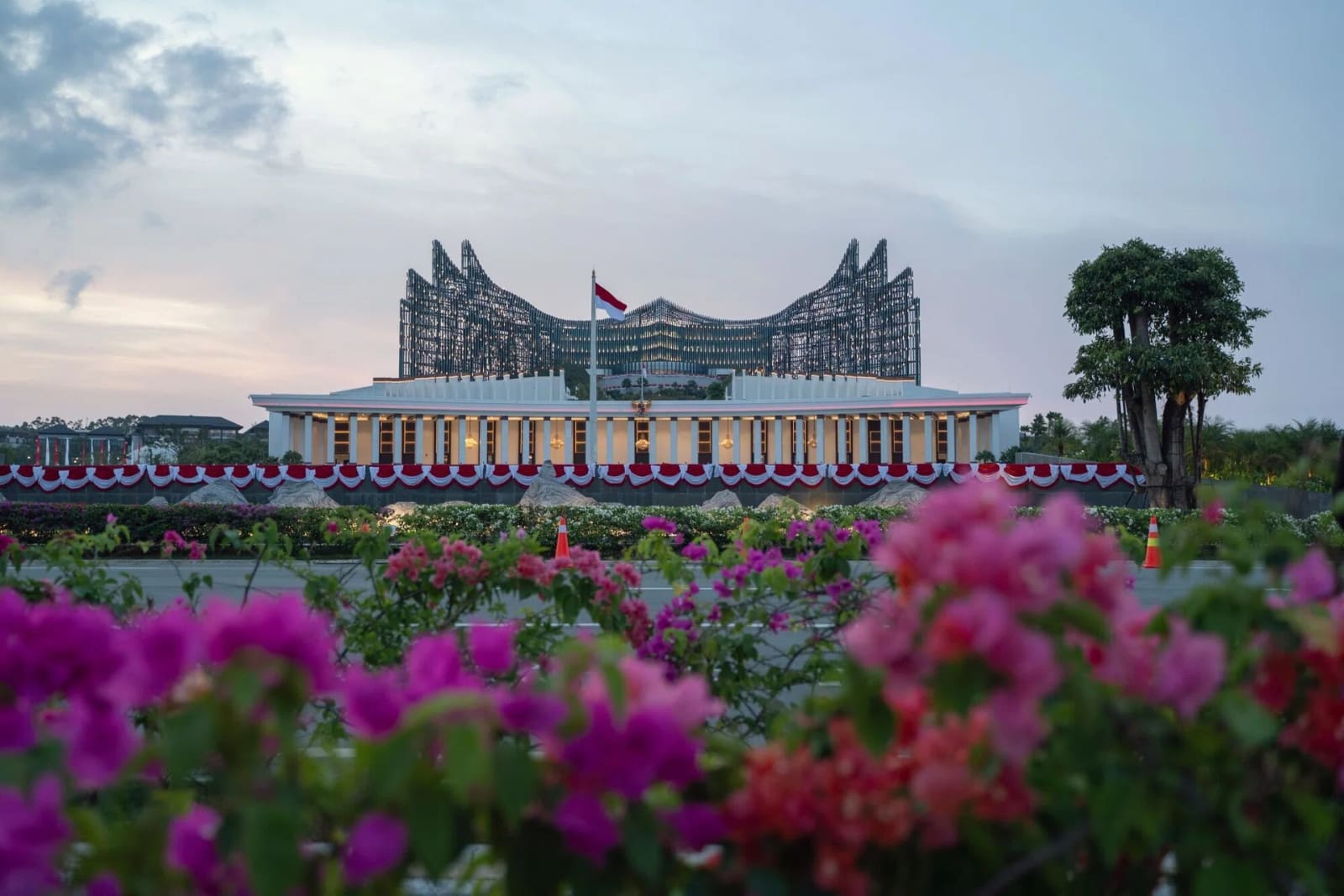
Indonesia's ambitious plan to relocate its capital to Nusantara has entered a new phase marked by sharp cuts in government funding. The 2027 Budget proposal unveiled last week allocates 6.7 trillion rupiah ($375 million) to the project, representing just 0.2 percent of total planned government spending of 4,097 trillion rupiah, according to budget documents.
The allocation marks a strategic pivot by President Prabowo Subianto toward private-sector-led development. Nusantara was notably absent from the eight national priority programmes outlined in the budget proposal, signaling a deliberate shift in how Jakarta plans to finance the transition.
The reduced public commitment comes as Prabowo's administration maintains its target of making Nusantara the country's political capital by 2028. That timeline now depends heavily on whether private investors will commit sufficient resources to build out the infrastructure, government facilities, and services needed for a functioning administrative center.
Private Capital Question
The funding test facing Nusantara centers on a fundamental question: can private investment fill the gap left by retreating state support? The original vision for the new capital relied on a public-private partnership model, but the scale of government withdrawal in the 2027 Budget accelerates that transition faster than many observers anticipated.
Indonesia faces competition for regional capital from projects across Southeast Asia, from smart city initiatives in Malaysia to infrastructure megaprojects in Vietnam. Private developers evaluating Nusantara commitments must weigh the returns from an untested city against opportunities in established urban centers like Jakarta, Surabaya, or regional hubs in Singapore and Bangkok.
The shift also reflects broader fiscal constraints. Indonesia's government is balancing multiple infrastructure priorities across an archipelago of more than 17,000 islands while managing debt levels and responding to economic headwinds. Directing a larger share of the budget toward established population centers may deliver more immediate economic returns than investing in a city still under construction.
Development Timeline at Risk
The 2028 deadline for political functions to move to Nusantara remains official policy, but the funding structure raises practical questions about what will be ready by that date. Core government buildings require completion, along with housing for civil servants, utilities, transportation links, and basic urban services.
Private investors typically prioritize commercial real estate, residential developments, and hospitality projects that generate revenue. Essential but less profitable infrastructure like water treatment facilities, waste management systems, and public transit may struggle to attract capital without government co-investment or guarantees.
The budget figures suggest Jakarta is betting that momentum from early construction phases and the symbolic commitment to relocation will be sufficient to draw private money. That assumption will be tested over the next 18 months as developers decide whether to commit capital to a city whose long-term viability remains unproven.
Regional Precedent and Risk
Indonesia is not the first country in Asia to attempt a capital relocation. Myanmar moved its seat of government to Naypyidaw in 2005, and Kazakhstan shifted from Almaty to Nur-Sultan (now Astana) in 1997. Both projects faced challenges in attracting population and economic activity beyond government functions.
Nusantara's success depends on becoming more than an administrative outpost. It must draw businesses, residents, and the ecosystem of services that make cities economically self-sustaining. That transition typically requires decades and sustained investment, both of which become harder to guarantee when public funding recedes.
The private sector's response to the 2027 Budget will provide the first real signal of confidence. If major Indonesian conglomerates and international developers commit significant capital despite reduced government participation, the project retains credibility. If commitments remain modest or conditional, the 2028 timeline and the broader vision for Nusantara will need reassessment.
For now, the new capital stands at a crossroads, with its future increasingly in the hands of investors calculating returns in a city that exists more on blueprints than on the ground.
RELATED STORIES
Nusantara Budget Cuts Signal Shifting Priorities Under Prabowo
Siti Nuraini · 3 min
Indonesia Pushes for EU Trade Deal Signing Ahead of Year-End Tariff Cliff
Priyanka V. Rao · 3 min

Indonesia Plans to Restrict Subsidized Fuel by Vehicle Type
Siti Nuraini · 3 min
Indonesia Cuts EV Motorcycle Subsidy by More Than Half
Siti Nuraini · 3 min
Spot something wrong? Email editor@briefasia.com. We log every correction publicly.