Asia · Politics
Indonesia Plans to Restrict Subsidized Fuel by Vehicle Type
Jakarta proposes using car ownership as a proxy for household income to target fuel subsidies more effectively at lower-income groups
KEY TAKEAWAYS
- ·Indonesia will restrict subsidized Pertalite gasoline purchases based on vehicle type, targeting households in the top 20 percent income bracket under the national socioeconomic database.
- ·The government aims to reduce fiscal burden from fuel subsidies by using car ownership as a proxy for household wealth, though specific vehicle categories have not been disclosed.
- ·Implementation depends on linking vehicle registration data to income records at gas stations, with no timeline announced as officials refine the enforcement mechanism.
Using Cars as Income Markers
Indonesia's government is moving toward a vehicle-based rationing system for subsidized fuel, treating car ownership as a stand-in for household wealth. Coordinating Economy Minister Airlangga Hartarto confirmed Friday that officials are designing a mechanism to restrict access to Pertalite, the RON 90 gasoline sold at subsidized rates, based on what kind of vehicle someone drives.
The logic is straightforward: wealthier households own more expensive cars, so blocking certain vehicle categories from subsidized pumps should steer benefits toward lower earners. Airlangga stopped short of naming which makes or models would face restrictions, saying the rules are still under review and details will come once the framework is locked in.
Finance Minister Purbaya Yudhi Sadewa outlined the income threshold under consideration. The plan would bar households in deciles 9 and 10 of the National Socioeconomic Single Data system, a unified registry that ranks families by economic status. Together, those two top brackets represent the wealthiest 20 percent of Indonesian households.
Fiscal Pressure Behind the Shift
Fuel subsidies have weighed on Indonesia's budget for years. The government spends billions of dollars annually keeping pump prices low, and much of that support flows to households that can afford to pay market rates. By tightening eligibility, Jakarta hopes to cut waste and free up fiscal room for infrastructure and social programs.
Pertalite remains the most widely consumed subsidized grade. Restricting access by vehicle type offers a simpler enforcement route than income verification at every gas station, though it raises questions about accuracy. A mid-tier sedan owned by a middle-income family could be treated the same as a luxury SUV, and older premium models might fall through the cracks.
The government has tested similar ideas before. Earlier proposals floated bans on luxury cars buying subsidized fuel, but implementation stalled over definitional disputes and enforcement logistics. The current plan tries to widen the net by using vehicle classification rather than subjective judgments about what counts as luxury.
Regional Precedent and Implementation Hurdles
Southeast Asian neighbors have experimented with targeted fuel subsidies, with mixed results. Malaysia uses a tiered pricing system that adjusts based on income data, while Thailand has phased out broad subsidies in favor of direct cash transfers. Indonesia's vehicle-based approach sits somewhere in between, relying on a visible proxy rather than direct means testing.
Enforcement will hinge on integration between the national socioeconomic database and fuel retailers. Gas stations would need real-time access to vehicle registration data linked to household income brackets, a technical lift in a country where digital infrastructure varies widely between urban centers and rural areas.
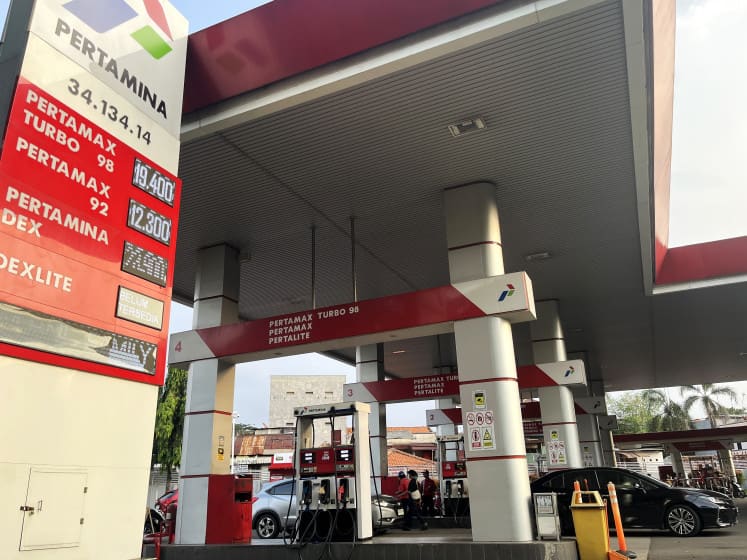
Airlangga did not provide a timeline for rollout, saying only that the government is refining the mechanism. The Finance Ministry has signaled urgency, however, as nonsubsidized fuel prices have climbed sharply in recent months. In Jakarta, Pertamax Turbo rose to 19,400 rupiah per liter from 13,100 rupiah, and Dexlite jumped to 23,600 rupiah from 14,200 rupiah, widening the gap between subsidized and market-rate options.
What Comes Next
The proposal still needs regulatory finalization and cabinet approval before taking effect. Public reaction will likely center on how vehicle categories are defined and whether the system can distinguish between genuine need and edge cases. Small business owners who drive commercial vehicles, for instance, may worry about being swept into restricted categories despite modest incomes.
If the plan moves forward, Indonesia will join a small group of emerging markets attempting to ration fuel subsidies without eliminating them entirely. Success will depend on whether the vehicle proxy proves accurate enough to shift subsidies without sparking backlash from middle-income drivers caught in the middle.
RELATED STORIES
Indonesia Cuts EV Motorcycle Subsidy by More Than Half
Siti Nuraini · 3 min

Indonesia Cuts State Funding for Nusantara as Private Investors Take Lead
Siti Nuraini · 3 min
Indonesia Pushes for EU Trade Deal Signing Ahead of Year-End Tariff Cliff
Priyanka V. Rao · 3 min

Nusantara Budget Cuts Signal Shifting Priorities Under Prabowo
Siti Nuraini · 3 min
Spot something wrong? Email editor@briefasia.com. We log every correction publicly.