Sustainability · Nature
Indonesia's Palm Oil Zones Account for Bulk of Fire-Ravaged Land This Year
Environmental analysis finds burned area within business concessions equals Jakarta's footprint, with oil palm estates at the center of the crisis
KEY TAKEAWAYS
- ·Fires within Indonesian business concessions have burned an area equivalent to Jakarta's 664 square kilometers since January, with oil palm plantation zones accounting for the majority.
- ·The concentration of fires in licensed concession areas points to weak enforcement of regulations that hold companies responsible for preventing burning on their land.
- ·Indonesia's dry season continues into October, and any escalation could trigger transboundary haze and accelerate European regulatory moves that threaten market access for palm oil producers.
Fire Footprint Matches Capital's Size
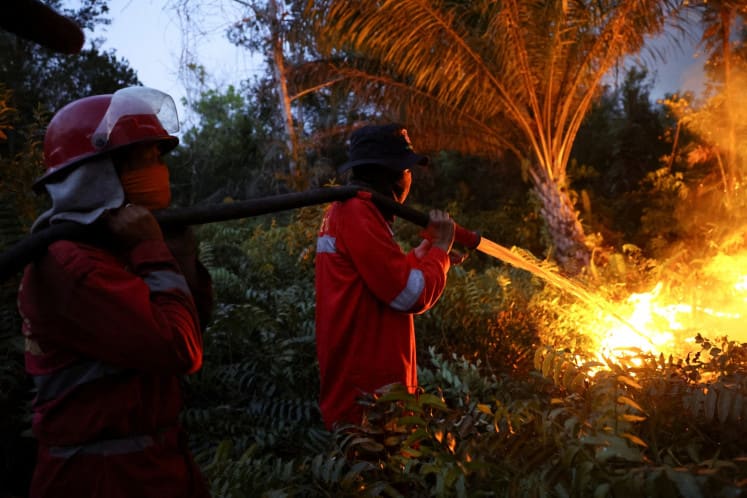
Fire has consumed land within Indonesian business concessions equivalent to the entire area of Jakarta since the start of the year, according to environmental monitoring data released this week. The burned zones sit almost entirely within boundaries allocated to commercial operations, raising questions about oversight and enforcement across the archipelago's resource sectors.
An environmental organization's analysis identified oil palm plantation concessions as the dominant source of the fires. The findings arrive as Southeast Asia enters the tail end of its annual dry season, a period that historically triggers cross-border haze emergencies and draws scrutiny to Indonesia's land management practices.
Jakarta spans roughly 664 square kilometers. The environmental group's assessment suggests a comparable area has burned within licensed concession boundaries over the past eight months, a scale that dwarfs typical urban fire incidents and points instead to systematic land-clearing patterns.
Oil Palm Concessions Drive the Count
The majority of the burned area lies within zones designated for oil palm cultivation, the analysis found. Indonesia is the world's largest producer of palm oil, a commodity embedded in products ranging from packaged food to cosmetics and biofuels. The country's plantation footprint has expanded steadily over two decades, often pushing into peatland and forest margins where fire risk runs high.
Concession holders are legally responsible for preventing and suppressing fires within their boundaries. Regulations introduced after the 2015 haze crisis, which blanketed the region in smoke and cost Indonesia an estimated 16 billion US dollars, impose sanctions on companies that fail to control burning on their land. Enforcement has been uneven, however, and prosecutions remain rare relative to the frequency of large-scale fires.
Environmental groups have long argued that weak supervision allows deliberate land-clearing by fire to continue, particularly in remote areas where monitoring is sparse. Satellite data over the past decade consistently shows fire hotspots clustering in concession zones during dry months, a pattern that aligns with agricultural calendars rather than random ignition.
Regulatory Gaps and Enforcement Challenges
Indonesia's Environment and Forestry Ministry maintains a real-time fire monitoring system that feeds data to provincial task forces. Yet translating alerts into on-ground action has proved difficult. Budget constraints, personnel shortages, and the sheer geographic spread of concessions across Sumatra, Kalimantan, and Papua complicate rapid response.
Peatland, which covers large swathes of plantation zones, compounds the problem. Once ignited, peat fires burn underground for weeks, releasing vast quantities of carbon and proving notoriously hard to extinguish. A 2015 study estimated that Indonesia's peat fires that year emitted more daily greenhouse gas than the entire US economy.
Recent policy has emphasized restoration of degraded peatland and a moratorium on new permits in primary forest and peat areas. Implementation has lagged, and existing concessions remain a flashpoint. The environmental group's data suggests that without stronger enforcement mechanisms, the cycle of dry-season burning within licensed zones will persist.
Regional Implications
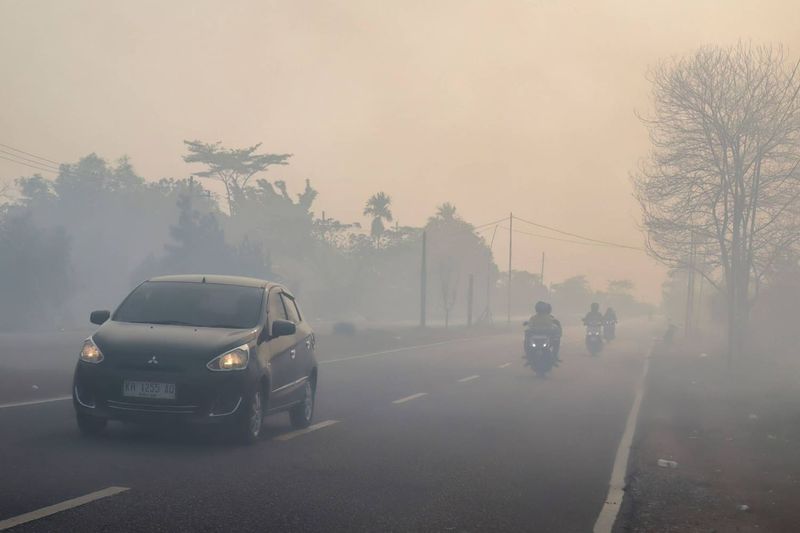
Fire season in Indonesia carries implications beyond national borders. Prevailing winds carry smoke across the Malacca Strait into Malaysia and Singapore, disrupting air travel, closing schools, and triggering public health warnings. Diplomatic friction over transboundary haze has been a recurring feature of ASEAN meetings, with neighboring governments pressing Jakarta to tighten controls.
The current year's burn area, while significant, has not yet reached the extreme levels of 2015 or 2019, when smoke blanketed the region for weeks. Weather patterns, including periodic rainfall, have so far prevented the kind of sustained burning that generates a full-blown haze crisis. Still, the concentration of fires within concession boundaries underscores the structural nature of the problem.
Investors and supply-chain managers in the palm oil sector have responded to reputational pressure by adopting no-deforestation commitments and third-party audits. Progress is visible in some large estates, but smallholder plots and less-scrutinized concessions continue to see fire activity. The environmental group's findings suggest that voluntary measures alone have not closed the gap.
What Comes Next
Indonesia's dry season typically extends into October, leaving several weeks in which fire risk remains elevated. Provincial governments have deployed water-bombing aircraft and ground crews to priority zones, but resource limitations mean coverage is selective.
The environmental analysis will likely feed into ongoing debates over palm oil sustainability standards and certification schemes. European markets, which have moved to restrict imports linked to deforestation, are watching Indonesia's fire record closely. Any spike in burned area could accelerate regulatory moves that threaten market access for Indonesian producers.
For now, the data paints a picture of a fire problem rooted less in lightning strikes or accidental ignition than in the everyday operations of a sprawling agricultural sector. Addressing it will require not just better firefighting, but a willingness to hold concession holders accountable when prevention fails.
RELATED STORIES
Indonesia Seeks 100GW Solar Build From China, But Not Chinese Ownership
Priyanka V. Rao · 3 min
Indonesia Faces Tension Between Petrochemical Growth and Plastic Reduction Goals
Siti Nuraini · 4 min
Indonesia's Wildfires Push Air Quality to World's Worst Levels
Siti Nuraini · 2 min

Mixue Shutters 89 Stores Across Southeast Asia Amid Profit Decline
Siti Nuraini · 3 min
Spot something wrong? Email editor@briefasia.com. We log every correction publicly.