Technology · Dev
South Korean Chip Materials Suppliers Ride AI Boom to Profit Surge
Advanced materials demand pushes sector operating income sharply higher in Q2 2026, with capacity expansions signaling further growth ahead
KEY TAKEAWAYS
- ·South Korean semiconductor materials suppliers achieved sharp operating profit growth in Q2 2026 as AI chip production increased consumption of advanced chemicals, slurries, and specialty gases.
- ·Chipmakers are securing longer-term materials supply agreements ahead of planned 2027 capacity expansions focused on sub-3nm logic and high-bandwidth memory for AI accelerators.
- ·Materials suppliers reported gross margin gains of 300 to 500 basis points year-over-year as product mix shifted toward higher-value specialty inputs and operational leverage improved.
Materials Sector Captures AI Upside
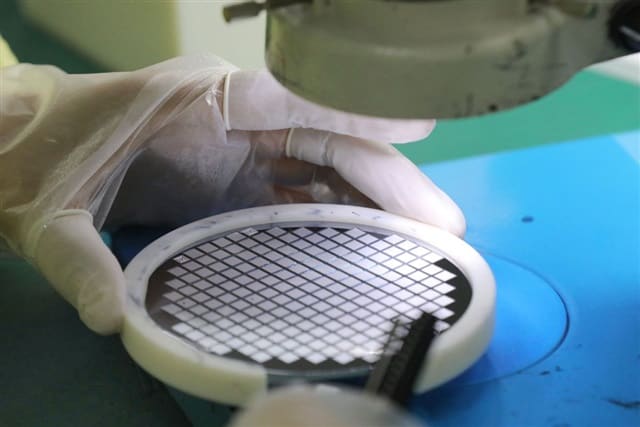
South Korea's semiconductor materials suppliers recorded robust profit growth in the second quarter of 2026, reflecting how artificial intelligence chip investment is now reaching deeper into the supply chain. The sector, which produces photoresists, slurries, gases, and other specialized inputs for chipmaking, has emerged as a clear beneficiary of the global AI infrastructure build-out.
Operating profit at major South Korean materials firms rose sharply during the April-June period, driven by increased consumption of advanced materials needed for cutting-edge logic and memory production. The performance marks a turning point for a segment that historically lagged behind front-end equipment makers in capturing semiconductor cycle upswings.
Several materials categories saw particularly strong volume growth. High-purity chemicals required for extreme ultraviolet lithography, advanced polishing slurries for multi-patterning processes, and specialty gases for atomic layer deposition all registered double-digit order increases compared to the year-earlier quarter.
Customer Capacity Plans Underpin Outlook
The profit improvement comes as South Korean chipmakers and their global peers prepare to expand fabrication capacity starting in 2027. These planned investments, concentrated in logic nodes below 3 nanometers and high-bandwidth memory for AI accelerators, require significantly higher materials consumption per wafer than older generations.
Industry sources indicate that materials suppliers have begun receiving volume commitments from customers for next-year deliveries, a departure from the spot-driven purchasing that characterized much of 2025. The shift toward longer-term agreements reflects both tighter supply in certain specialty categories and chipmakers' desire to secure stable access as they ramp new fabs.
Materials firms are responding by adding production lines and qualifying additional products. Several companies have announced capacity expansions in photoresist and precursor chemicals, with new facilities expected to come online in the second half of 2027.
Regional Supply Chain Dynamics
South Korea's position in the materials supply chain carries strategic implications for the broader semiconductor industry. While Japanese firms remain dominant in several categories, Korean suppliers have gained share in high-purity wet chemicals, CMP slurries, and certain electronic gases over the past five years.
The profit surge also highlights how AI chip economics differ from previous semiconductor cycles. Advanced packaging technologies such as chiplet integration and through-silicon vias consume substantially more materials per unit of silicon area, creating volume tailwinds independent of wafer shipment growth. Materials suppliers benefit from this intensity effect even as chipmakers focus capital on leading-edge nodes rather than broad capacity additions.
Analysts note that the Q2 results likely understate the sector's momentum, as many materials contracts include price escalators tied to volume thresholds. If customers follow through on 2027 capacity plans, suppliers could see both volume and pricing gains materialize concurrently.
Margin Trajectory and Investment Cycle
The profitability improvement extends beyond top-line growth. Materials suppliers have seen gross margins expand as product mix shifts toward higher-value specialty chemicals and as operational leverage kicks in from earlier capacity investments. Several firms reported operating margin gains of 300 to 500 basis points year-over-year in Q2.
This margin expansion matters for the sector's ability to fund the next round of capacity additions. Unlike equipment makers, materials suppliers typically operate on shorter depreciation cycles and require continuous process qualification investment. Stronger cash generation positions the industry to support customer roadmaps without straining balance sheets.
The materials sector's performance also serves as a leading indicator for semiconductor capital spending. Because materials procurement often precedes equipment installations by several quarters, the current order strength suggests that chipmakers remain committed to their expansion timelines despite broader economic uncertainty.
With the AI infrastructure build continuing and advanced node transitions accelerating, South Korea's materials suppliers appear positioned to sustain elevated profitability into 2027. The sector's challenge will be maintaining supply chain flexibility as customers navigate rapidly evolving packaging and process requirements.
RELATED STORIES
Samsung Workers Plan Protest Over Pay Gap Between Chip and Device Units
Jun-ho Seo · 3 min

Samsung's Device Division Reports First Quarterly Loss as Chip Costs Surge
Cheng Wei-Lun · 3 min
Samsung and SK Hynix Chart Opposite Paths on Record Shareholder Returns
Cheng Wei-Lun · 4 min

Nexon Commits $179M to Gaming IP Fund Targeting Asian Developers
Cheng Wei-Lun · 3 min
Spot something wrong? Email editor@briefasia.com. We log every correction publicly.