Sustainability · Climate
Dhaka's Informal Workers Face Health and Income Losses as Urban Heat Intensifies
New research reveals that three-quarters of migrants report harm from rising temperatures, while productivity losses mount across Bangladesh's capital
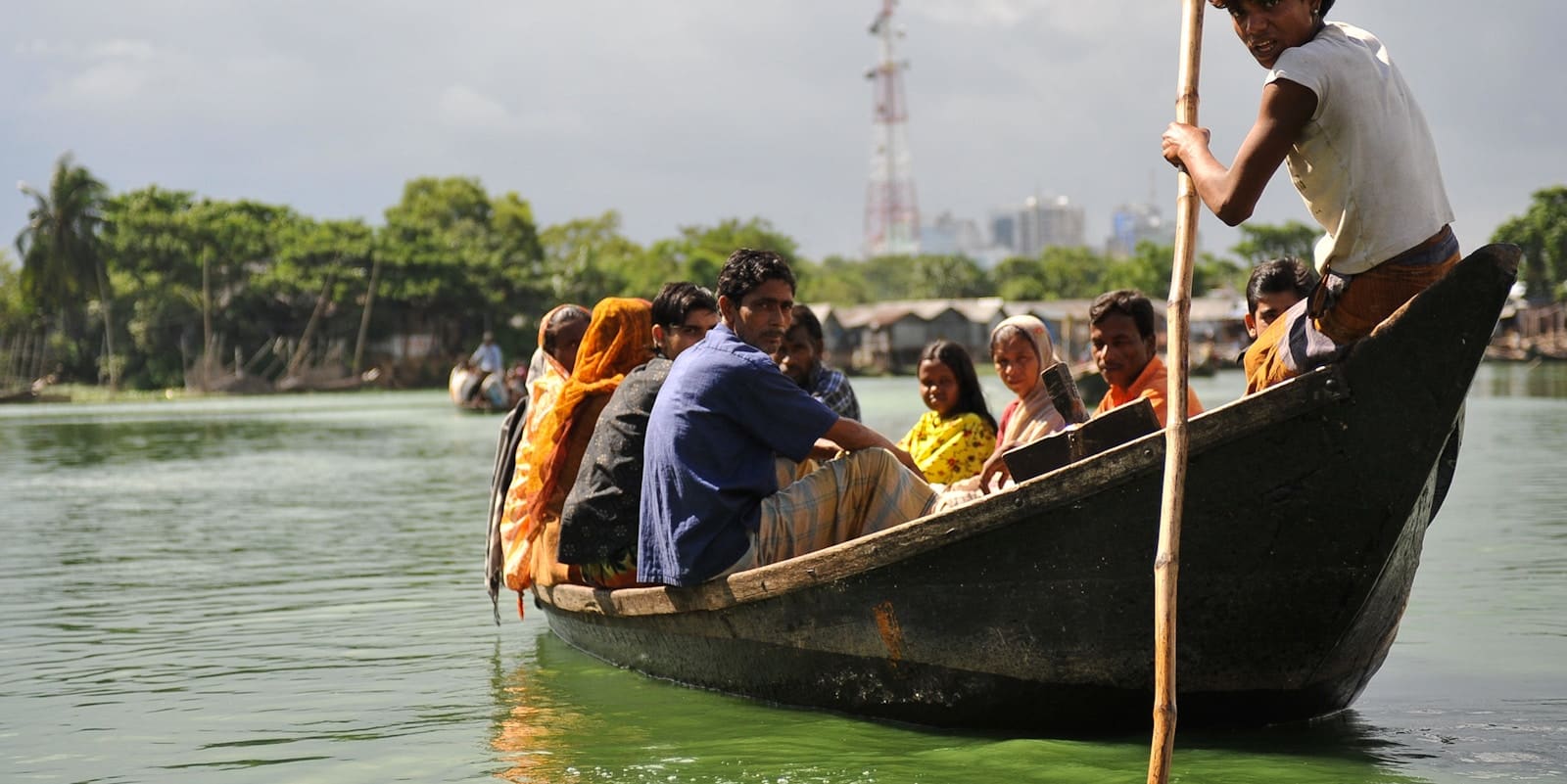
KEY TAKEAWAYS
- ·Seventy-four per cent of surveyed migrants in Dhaka reported negative effects from rising temperatures, with the city recording the largest productivity losses among five Asian cities studied.
- ·Heat-related impacts cost Bangladesh an estimated 250 million workdays and 1.78 billion US dollars in 2024, equivalent to 0.4 per cent of GDP.
- ·Rising nighttime temperatures prevent workers from recovering at home, creating a cycle of declining health, reduced productivity and falling incomes across informal settlements.
A Crisis in the Shade
On a sweltering afternoon in late June, Samiha Begum fled her home in Tejgaon, one of Dhaka's densest informal settlements. The single room she shares with her two children had become unlivable. The tin roof absorbed heat through the day, turning the space into what she described as a boiler. Her only refuge was the shade of trees near Hatirjheel Lake, where the air moved slightly cooler than inside.
Begum, who works as a cook in a nearby household, represents a growing population caught between two heat traps: outdoor labour in rising temperatures and cramped, poorly ventilated housing that offers no recovery. New research from People's Courage International shows that 74 per cent of surveyed migrants in Dhaka report negative effects from increasing temperatures, while every respondent reported impacts from extreme weather events.
The findings place Dhaka at the centre of a widening climate vulnerability crisis across South and Southeast Asia. The study examined informal workers in five cities, including Delhi, Jakarta, Kathmandu and Quezon City, but Dhaka recorded the largest productivity losses. That outcome reflects the city's labour-intensive economy, the prevalence of outdoor and factory work, and minimal access to cooling infrastructure.
The Heat Index Climbs Faster Than the Thermometer
Bangladesh's maximum temperature has risen by approximately 1.1 degrees Celsius since 1980, according to a 2025 World Bank report. Yet the country's "feels-like" temperature has increased by 4.5 degrees Celsius, a gap driven by humidity and urban density. Dhaka's heat index has climbed roughly 65 per cent faster than the national average, concentrating thermal stress in the capital.
S.M. Quamrul Hassan, a meteorologist with the Bangladesh Meteorological Department, noted that extreme heat now extends beyond the traditional summer window. Monsoon seasons, once a source of relief, now deliver brief downpours followed by sharp temperature rebounds. Rainfall that used to last six to twelve hours now ends in two or three, leaving surfaces to bake under strong sunshine.
Between 2001 and 2022, Dhaka experienced 35 documented heat-wave events, with both frequency and duration trending upward. Urban heat island hotspots have multiplied across the city, concentrating risk in areas where informal workers live and labour.
Work Stops When the Body Overheats
Tayeb Ali, a rickshaw puller in Rayerbazar, describes a new rhythm to his day. Ten minutes of pedalling now requires twenty minutes of rest. Exhaustion sets in faster. At night, multiple electric fans run continuously in the cramped room he shares with three family members, yet sleep remains elusive. He wakes late, starts work late, and earns less.
The phenomenon researchers call "recovery deficit" is becoming systemic. Workers spend daylight hours exposed to heat, then return to homes that remain dangerously hot through the night. Rising nighttime temperatures rob them of essential rest, compounding the physical toll and reducing their capacity to work the following day.
Among surveyed migrants in Dhaka, major impacts included wage cuts, wage losses and the loss of employment-related assets. Informal workers, who make up approximately 85 per cent of Bangladesh's workforce, have little margin to absorb these shocks. Missing work means missing income, so many continue labouring despite symptoms of heat stress.
In 2024, heat-related physical and mental health impacts contributed to the loss of an estimated 250 million workdays across Bangladesh, costing the economy as much as 1.78 billion US dollars, or roughly 0.4 per cent of GDP.
Health Impacts Extend Beyond the Workplace
The migrant survey found that 71 per cent of Dhaka respondents reported health problems linked to extreme weather. An additional 69 per cent reported food insecurity, and 66 per cent faced difficulties accessing water and sanitation services. The intersecting pressures compound vulnerability.
Prolonged heat exposure leads to dehydration, exhaustion, heat stroke, cardiovascular stress, respiratory illness and kidney disease. Informal workers face heightened risk because many labour outdoors or in poorly ventilated factories. Residents of informal settlements reported headaches, dizziness, fatigue, fainting and worsening respiratory conditions during heat episodes.
Hamida Begum, a resident of Mirpur, said her children now fall sick more frequently during hot periods. They sweat continuously and become ill more often than in previous years. The health burden extends across generations, affecting both those who work and those who depend on them.
A City Under Pressure
Dhaka now ranks as the world's second-largest city, with a population of 37 million, according to the United Nations World Urbanization Prospects 2025 report. An estimated 4 to 5 million people live in informal settlements, often in tin-roofed structures with limited ventilation, inadequate water access and poor sanitation. As temperatures climb, these areas function as heat traps, concentrating risk among the city's most economically precarious residents.
The World Bank has recommended stronger heat preparedness measures, including improved health services, urban greening, better weather and health data systems, and investments in heat adaptation. The proposals aim to safeguard both economic stability and public health as climate pressures mount.
For workers like Begum and Ali, those measures cannot arrive soon enough. The choice between enduring heat and losing income is no choice at all. As temperatures continue to rise, the question is not whether Dhaka's informal workforce will be affected, but how much longer they can sustain the toll.
RELATED STORIES
South Asia Loses 31 Million Full-Time Jobs Annually to Extreme Heat
Priyanka V. Rao · 3 min
Bangladesh's Jute Mandate Fails to Displace Plastic in Packaging
Priyanka V. Rao · 5 min
Bangladesh Cuts Interest Rates After Two-Year Inflation Fight
Priyanka V. Rao · 3 min
Vietnam's Coffee Belt Faces Reckoning After Three Decades of Forest Loss
Priyanka V. Rao · 3 min
Spot something wrong? Email editor@briefasia.com. We log every correction publicly.