Asia · Trade
Vietnam's Durian Shipments to China Jump 43% as Harvest Season Peaks
The tropical fruit now accounts for nearly half of Vietnam's fruit and vegetable exports to its northern neighbor, with India emerging as a new frontier market.
KEY TAKEAWAYS
- ·Vietnam exported $988 million worth of durian to China in the first half of 2026, a 43% increase, with the fruit representing over 48% of total fruit and vegetable shipments to China.
- ·The Central Highlands, Vietnam's largest durian-growing region, recently entered peak harvest season, positioning the sector for potentially stronger growth in the second half of the year.
- ·India approved fresh Vietnamese durian imports in July, opening a new market of 1.4 billion people, though consumer familiarity and distribution infrastructure remain significant barriers to near-term growth.
Durian Dominates Vietnam's Fruit Trade
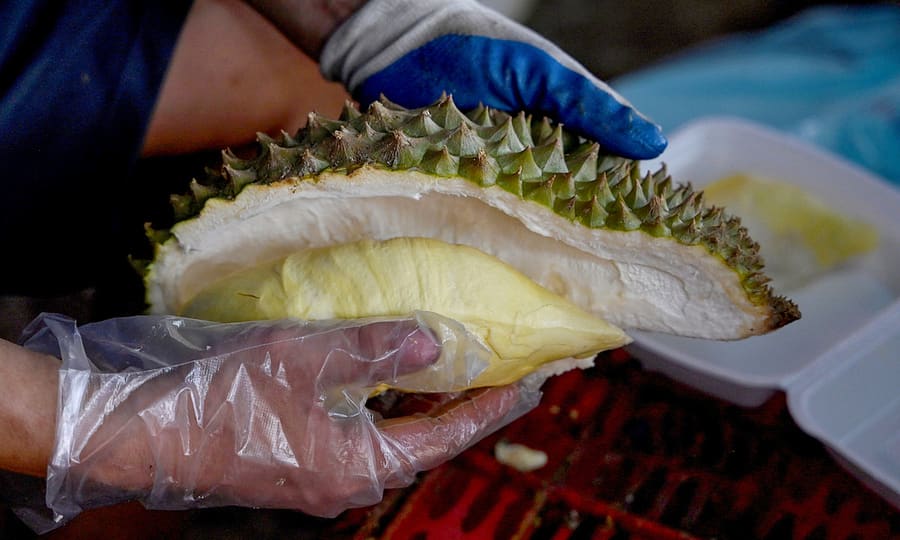
Vietnam's durian exports to China reached $988 million in the first six months of 2026, according to the General Department of Customs, marking a 43% increase over the same period last year. The pungent fruit now represents more than 48% of all Vietnamese fruit and vegetable shipments to China, cementing its position as the country's most valuable fresh produce export.
Overall fruit and vegetable exports to China climbed nearly 25% to $2.04 billion during the period. While durian surged, other categories showed mixed performance: coconut exports nearly doubled, but dragon fruit, banana, and mango shipments all declined.
The spike comes as Vietnam's Central Highlands region, which produces the majority of the country's durian, enters its peak harvest season. The timing suggests the second half of 2026 could see even stronger growth, potentially exceeding the 20% annual expansion recorded in 2025.
Supply Surge Meets Sustained Demand
Dang Phuc Nguyen, secretary general of the Vietnam Fruit and Vegetable Association, noted that the Central Highlands harvest only recently began hitting full stride. If current momentum holds, the year could deliver the fastest export growth rate Vietnam's durian sector has seen in recent years.
China's appetite for the spiky fruit has shown little sign of cooling. Vietnamese durian has carved out a significant share of the Chinese market alongside dominant supplier Thailand, benefiting from shorter logistics routes and preferential trade arrangements under regional agreements.
The fruit's rise reflects both supply-side investment in Vietnam and demand-side shifts in China, where durian consumption has grown rapidly among middle-class consumers in tier-one and tier-two cities. Cold-chain infrastructure improvements have also enabled Vietnamese exporters to reach inland Chinese markets more efficiently.
India Opens Its Doors
In July, India approved imports of fresh Vietnamese durian, adding a market of 1.4 billion people to Vietnam's export map. The move represents a potential diversification opportunity for Vietnamese growers who have concentrated heavily on China.
However, Nguyen cautioned that population size alone does not guarantee immediate sales. Durian remains relatively unknown to most Indian consumers, and building familiarity with the fruit's distinctive flavor and odor will require time and targeted marketing.
Initial demand is likely to center on major urban areas, premium retail chains, hotels, restaurants, and e-commerce platforms that cater to adventurous or internationally exposed consumers. Frozen, dried, and processed durian products may offer Vietnamese exporters a lower-risk entry point, allowing them to test the market without the logistical pressure of moving fresh fruit quickly during peak harvest periods.
Regional Context and Trade Dynamics
Vietnam's durian ascent fits within a broader pattern of agricultural trade integration across Southeast Asia. The country has invested heavily in expanding durian cultivation over the past five years, with provincial governments in the Central Highlands offering incentives for farmers to convert land from coffee and other crops.
The shift has paid off in export revenue, but it also concentrates risk. With nearly half of Vietnam's fruit and vegetable exports to China now riding on a single commodity, any disruption in Chinese demand, trade policy, or phytosanitary standards could hit Vietnamese growers hard.
India's market opening offers a hedge, but developing that channel will require patience and infrastructure. Indian import regulations, cold-chain logistics, and consumer education all present hurdles that Vietnamese exporters and the government will need to navigate carefully.
For now, the Central Highlands harvest is in full swing, and Chinese buyers continue to absorb the supply. Whether Vietnam can sustain this growth trajectory into 2027 will depend on weather, Chinese economic conditions, and how quickly new markets like India can be cultivated.
RELATED STORIES
Shein Retreats From Vietnam Warehouse Bet as China Manufacturing Proves Irreplaceable
Cheng Wei-Lun · 4 min
Shein Scales Back Vietnam Expansion, Reinforces China Manufacturing Base
Cheng Wei-Lun · 3 min
Vietnam Textile Exports Climb to $27 Billion as Upstream Production Gains Momentum
Priyanka V. Rao · 3 min
Vietnam Pours Capital Into Laos as Vientiane Seeks Relief From Beijing Debt
Priyanka V. Rao · 4 min
Spot something wrong? Email editor@briefasia.com. We log every correction publicly.