Asia · Business
Shein Scales Back Vietnam Expansion, Reinforces China Manufacturing Base
Fast-fashion giant retreats from Southeast Asian logistics experiment after operational challenges expose limits of China diversification strategy
KEY TAKEAWAYS
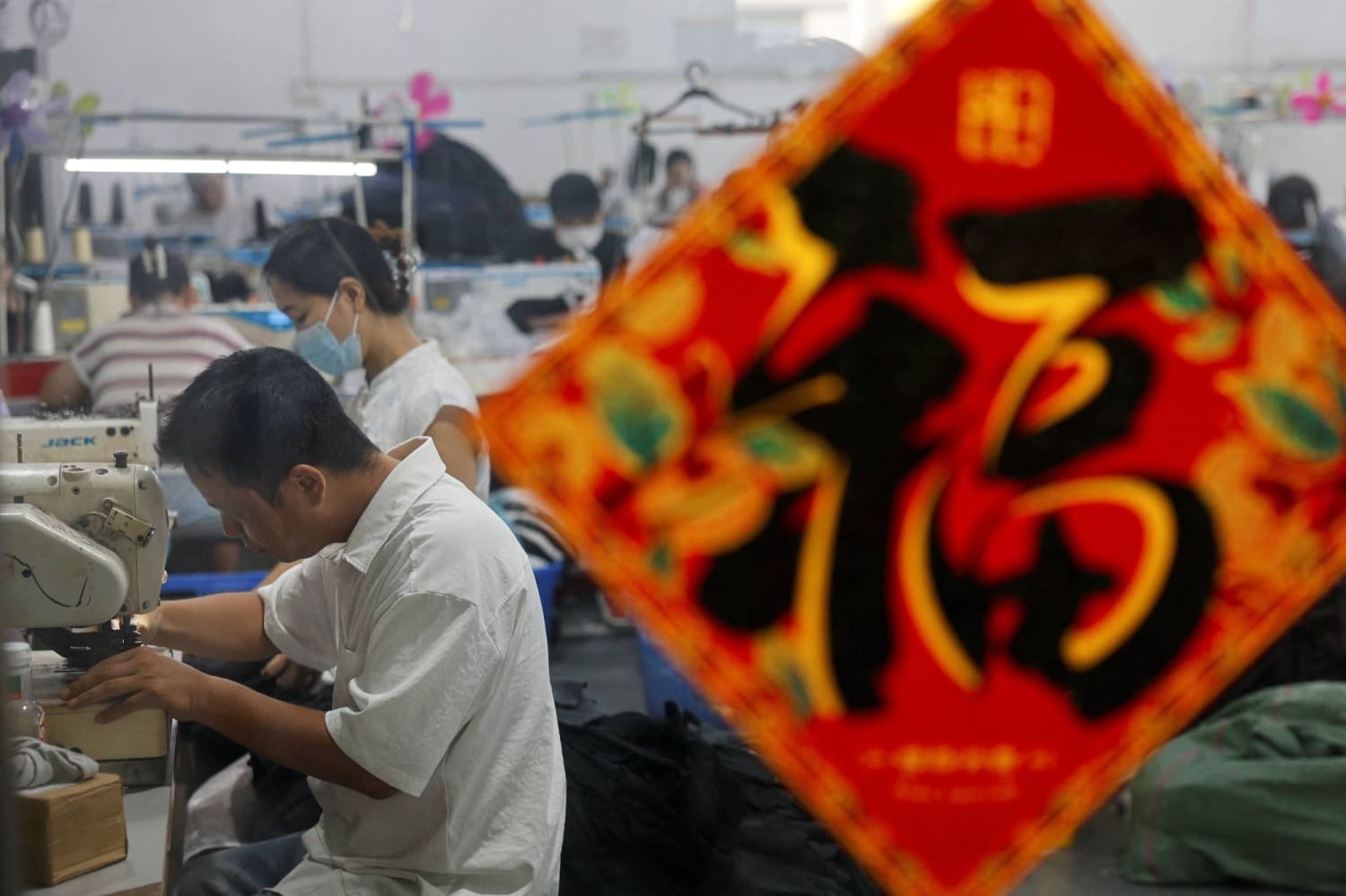
- ·Shein has scaled back its Vietnam warehouse operations after a year-long experiment, redirecting the majority of production through its Guangdong network in southern China.
- ·The Vietnam facility faced longer lead times and fragmented fabric supply, undermining Shein's core advantage of turning new designs into finished products within seven to ten days.
- ·The company is now investing in automation within Guangdong rather than geographic expansion, signaling that supplier ecosystem density outweighs labor cost savings for fast-turn fashion.
Manufacturing Reality Check
Shein has quietly shelved plans to expand its Vietnam operations, choosing instead to reinforce its manufacturing footprint in southern China. The decision marks a rare misstep for the fast-fashion platform that built its business model on hyper-responsive supply chains and comes as other apparel brands continue pushing production southward.
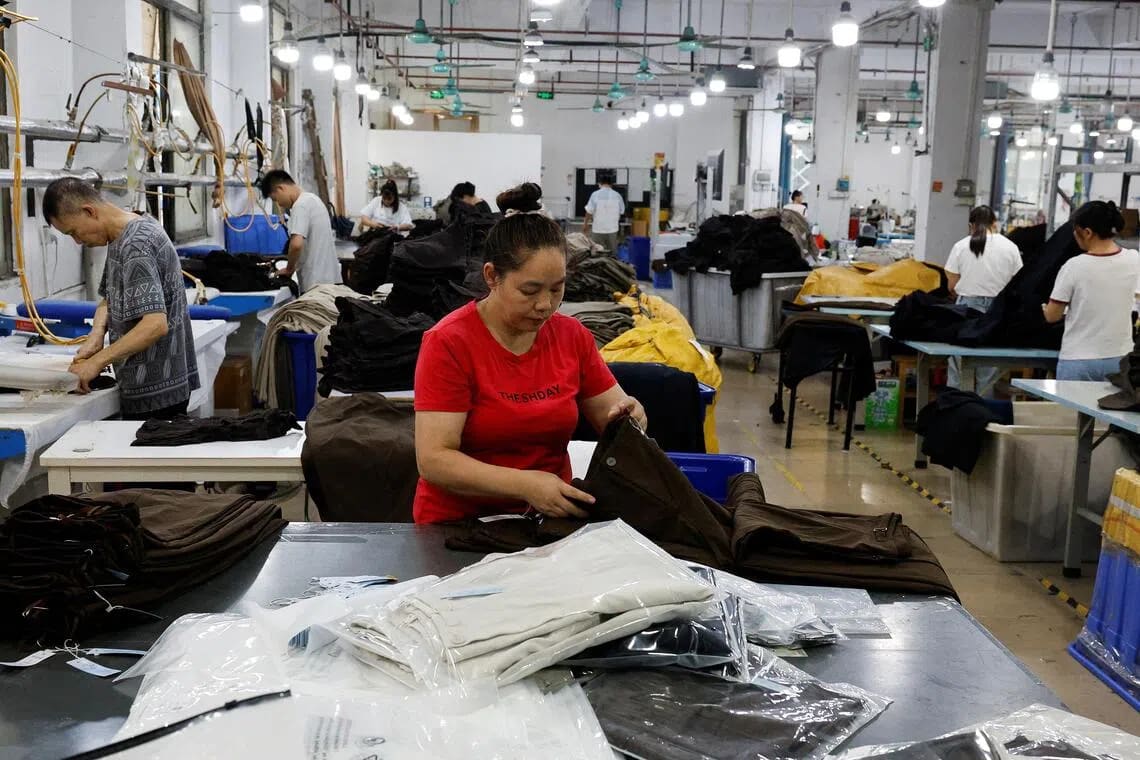
The company had opened a distribution facility in northern Vietnam in early 2025, part of a broader effort to test logistics alternatives outside Guangdong province. Twelve months later, the experiment has been scaled back. Shein now routes the majority of its finished goods through warehouses in Guangzhou and neighboring cities, where thousands of small garment factories operate within a 50-kilometer radius of its sorting hubs.
Industry executives familiar with the matter say the Vietnam facility struggled with two problems: inconsistent fabric supply and longer lead times between design approval and finished product. Shein's core advantage rests on turning around new styles in seven to ten days. That cadence depends on instant access to dye houses, trim suppliers, and contract manufacturers who can pivot production runs on 48 hours' notice.
The Guangdong Advantage
Guangdong's garment cluster remains unmatched in density. A single district in Guangzhou can house 200 small factories, each specializing in narrow product categories: knit tops, woven dresses, activewear, outerwear. Shein's algorithm-driven model generates thousands of new SKUs each week, and only a tightly packed supplier network can absorb that volatility without inventory buildup.
Vietnam offers lower labor costs, but the supporting industries are still maturing. Fabric mills are concentrated in the south, near Ho Chi Minh City, while many cut-and-sew operations have moved north for tax incentives. That geographic split adds days to the production cycle, a dealbreaker for a company that competes on speed rather than cost alone.
Shein has not commented publicly on the shift, and the Vietnam warehouse remains operational at reduced capacity. However, procurement teams have been instructed to prioritize Guangdong suppliers for all core categories, according to two people briefed on internal communications.
Implications for Regional Supply Chains
The pullback carries broader lessons for apparel brands betting on Southeast Asia as a manufacturing alternative. Vietnam has attracted significant investment from global retailers over the past five years, driven by tariff considerations and the desire to reduce concentration risk in China. Yet the infrastructure that makes Guangdong responsive - integrated dyeing, finishing, and logistics under one regional umbrella - took decades to build and proves difficult to replicate quickly.
Other fast-fashion players face similar trade-offs. Zara and H&M have opened sourcing offices in Hanoi and Jakarta but continue to place the majority of their short-lead-time orders in China and Turkey, where supplier ecosystems are mature. Longer-lead basics and seasonal items move to lower-cost markets; fast-turn fashion stays close to established hubs.
For Shein, the Vietnam experience underscores a strategic tension. The company is preparing for a potential London listing and has worked to diversify its supplier base in response to regulatory scrutiny in the United States and Europe. But operational realities limit how fast that diversification can happen without sacrificing the speed that differentiates its product model.
What Comes Next
Shein is now investing in automation within its Guangdong network rather than expanding into new geographies. The company has installed AI-powered sorting systems in three Guangzhou warehouses and is piloting automated cutting tables at select supplier factories. The goal is to maintain cycle-time advantages while offsetting rising labor costs in coastal China.
Vietnam remains part of the company's logistics map, but its role has shifted from manufacturing hub to secondary distribution point for Southeast Asian deliveries. That more limited function reflects a pragmatic conclusion: in fast fashion, proximity to a deep supplier base matters more than labor arbitrage.
The broader takeaway for Asian manufacturing is that supply-chain diversification is not a simple substitution game. Companies can move assembly work relatively easily, but moving the entire ecosystem of inputs, services, and logistics that enable rapid product cycles is a longer and more uncertain process. Shein's retreat suggests that, for now, there remains no close substitute for the concentration of capabilities still found in southern China's garment belt.
RELATED STORIES
Shein Retreats From Vietnam Warehouse Bet as China Manufacturing Proves Irreplaceable
Cheng Wei-Lun · 4 min
Vietnam Pours Capital Into Laos as Vientiane Seeks Relief From Beijing Debt
Priyanka V. Rao · 4 min

Thailand Faces Two Decades in Middle-Income Trap Without Workforce Upgrade
Priyanka V. Rao · 3 min

Ho Chi Minh City Eyes Productivity Push to Hit Double-Digit Growth Target
Priyanka V. Rao · 3 min
Spot something wrong? Email editor@briefasia.com. We log every correction publicly.