Finance · Markets
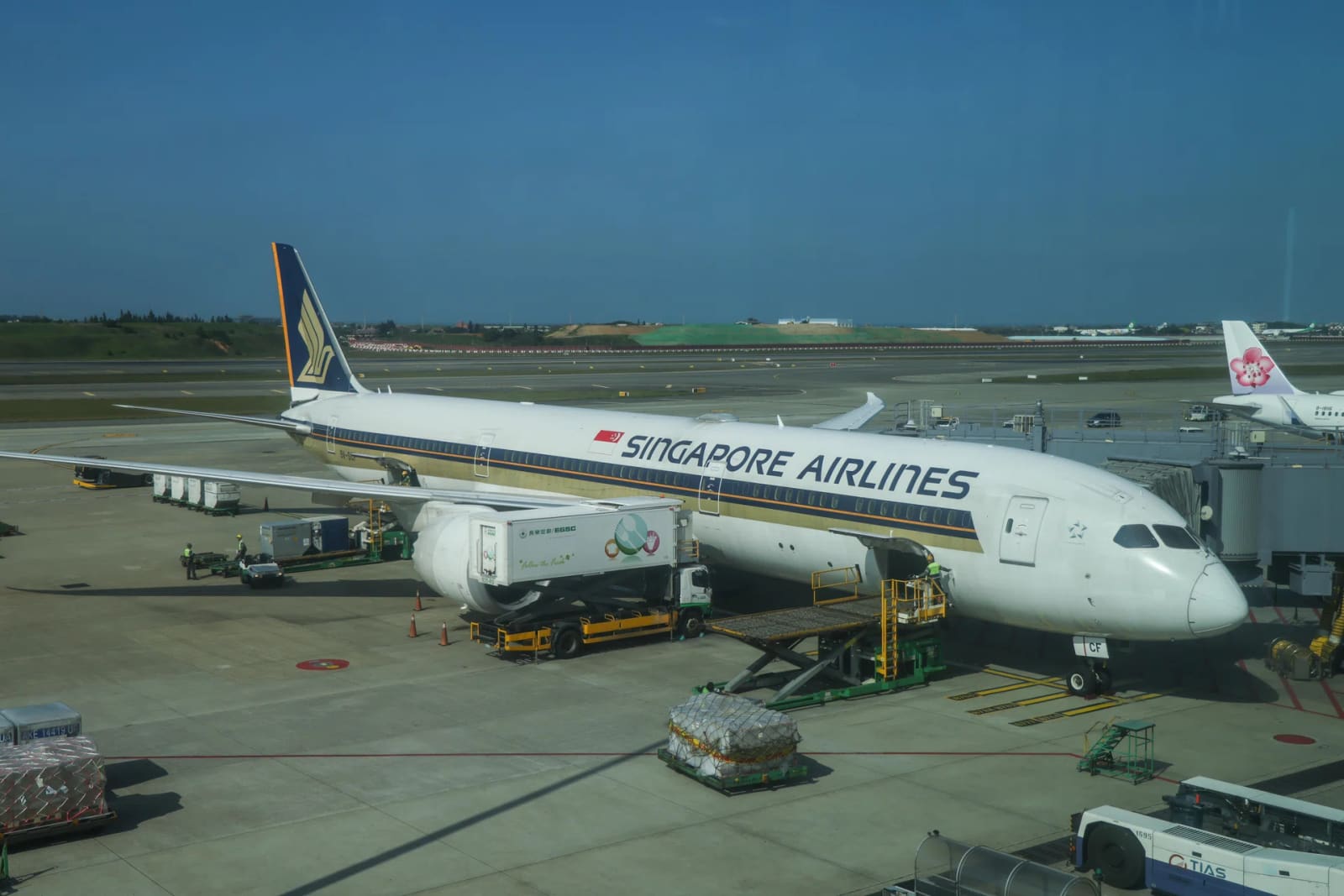
Singapore Airlines Posts S$76 Million Loss as Fuel Costs Surge
The national carrier swung to a first-quarter deficit after Middle East conflict drove fuel expenses up 78.5 percent year-on-year
KEY TAKEAWAYS
- ·Singapore Airlines reported a net loss of S$76 million for Q1 FY2026, reversing a S$186 million profit from the same quarter last year.
- ·Operating profit fell 73.8 percent to S$106 million, driven by a 78.5 percent jump in fuel costs due to Middle East conflict and higher Air India losses.
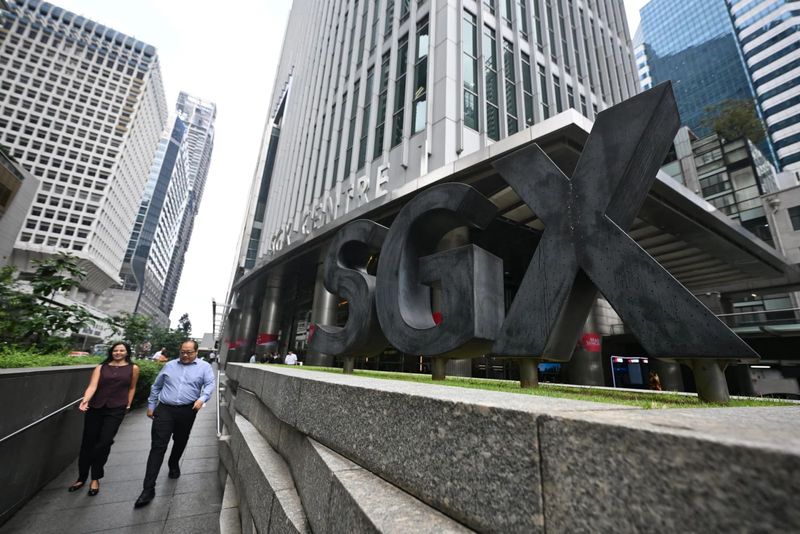
- ·Shares closed 3.1 percent lower at S$7.53 on July 29, with S$120.6 million in securities traded as investors reacted to the earnings miss.
Red Ink Returns to Changi
Singapore Airlines turned in a S$76 million net loss for the first quarter of fiscal 2026, a sharp reversal from the S$186 million profit it posted in the same period last year. The carrier announced results on July 28, and its shares fell 3.1 percent the following day to close at S$7.53, with 16.1 million securities changing hands worth S$120.6 million.
The stock opened down 4 percent and touched S$7.44 mid-morning before recovering slightly by the close. Early trading saw 2.8 million shares transacted for S$21.2 million as investors digested the quarterly figures.
Fuel and Equity Losses Drive the Deficit
Operating profit dropped 73.8 percent to S$106 million, down S$299 million from the prior-year quarter. Two factors accounted for most of the slide, according to Singapore Airlines.
Net fuel costs jumped 78.5 percent, driven by supply disruptions and price volatility tied to the ongoing Middle East conflict. Jet fuel markets have remained tight as refiners navigate logistical bottlenecks and insurance premiums climb for tankers transiting contested shipping lanes.
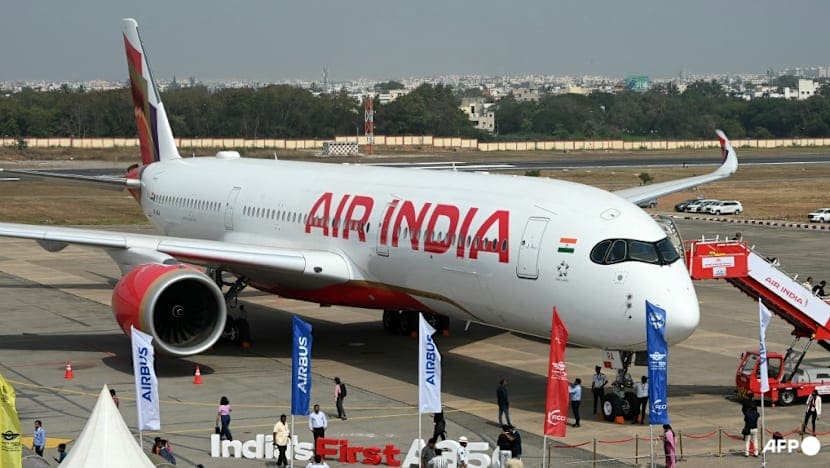
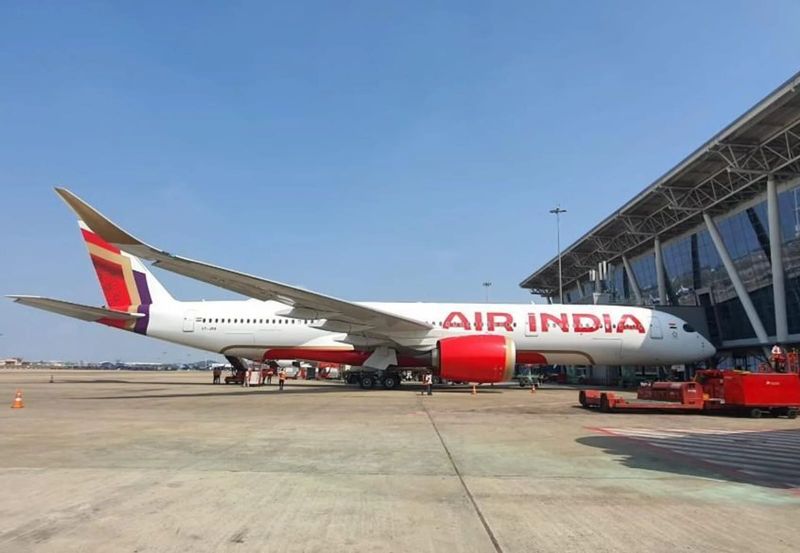
At the same time, the airline absorbed a larger share of losses from its associate Air India. Singapore Airlines holds a stake in the Tata Group-controlled carrier, which has been investing heavily in fleet renewal, route expansion, and operational overhauls since its 2022 privatisation. Those transformation costs have weighed on near-term earnings, and the equity-method accounting flowed through to Singapore Airlines' bottom line.
Load Factors and Yield Under Pressure
Passenger demand across the group's network remained healthy in absolute terms, but yield management proved difficult. Corporate travel budgets in key markets tightened during the quarter, and leisure traffic faced headwinds from currency weakness in several Southeast Asian economies.
Cargo revenue also came under pressure as global trade growth slowed and supply-chain normalisation reduced the premium pricing power that airlines enjoyed in earlier post-pandemic quarters. Belly-hold capacity increased as passenger flights recovered, further compressing freight rates on trunk routes out of Singapore.
Market Reaction and Regional Context
The share-price decline reflects investor concern that the fuel-cost headwind may persist into the second quarter if geopolitical tensions remain elevated. Brent crude has traded in a volatile range, and forward curves suggest limited relief for airlines hedging new positions.
Singapore Airlines operates one of the region's most fuel-efficient fleets, with a high proportion of new-generation widebodies, yet the scale of the cost increase overwhelmed efficiency gains. Regional peers in Northeast Asia and the Gulf have reported similar margin pressure, though carriers with stronger domestic or short-haul networks have been able to pass through more of the cost in ticket pricing.
The Air India stake, meanwhile, remains a strategic bet on the Indian aviation market's long-term growth. Passenger traffic in India continues to expand at double-digit rates, and Air India's modernisation is expected to unlock network synergies with Singapore Airlines over time. For now, however, the losses underscore the near-term earnings volatility that comes with equity investments in carriers undergoing restructuring.
What Comes Next
Singapore Airlines has not issued revised full-year guidance, and management commentary accompanying the results emphasised the fluid nature of fuel markets and demand patterns. The carrier continues to add capacity on routes where yields hold up, particularly trans-Pacific and Australia sectors, while trimming frequencies in softer markets.
Hedging strategy will be closely watched. The airline typically hedges a portion of its fuel exposure several quarters out, and the timing and strike prices of those contracts will influence second-quarter results. Analysts will also track whether Air India's losses begin to moderate as its fleet integration progresses and revenue initiatives take hold.
For now, the first-quarter result serves as a reminder that even well-capitalised flag carriers face margin compression when external shocks hit fuel and equity lines simultaneously.
RELATED STORIES
Temasek Defends SIA's Air India Stake as Loss-Making Carrier Seeks $1.5 Billion
Priyanka V. Rao · 3 min
Singapore Airlines Confronts $375 Million Capital Call From Air India
Priyanka V. Rao · 3 min

Shein Drops 4% in Hong Kong Debut as Tariff Pressure Weighs on Valuation
Priyanka V. Rao · 4 min
Singapore Brokerages Raise STI Targets on Earnings Strength
Jun-ho Seo · 3 min
Spot something wrong? Email editor@briefasia.com. We log every correction publicly.