Finance · Markets
Seoul Tech Stocks Defy Wall Street Slide as Geopolitical Risks Mount
Korean chipmakers lifted the KOSPI 2.39 percent in early trading despite overnight US losses and fading hopes for Middle East de-escalation
KEY TAKEAWAYS
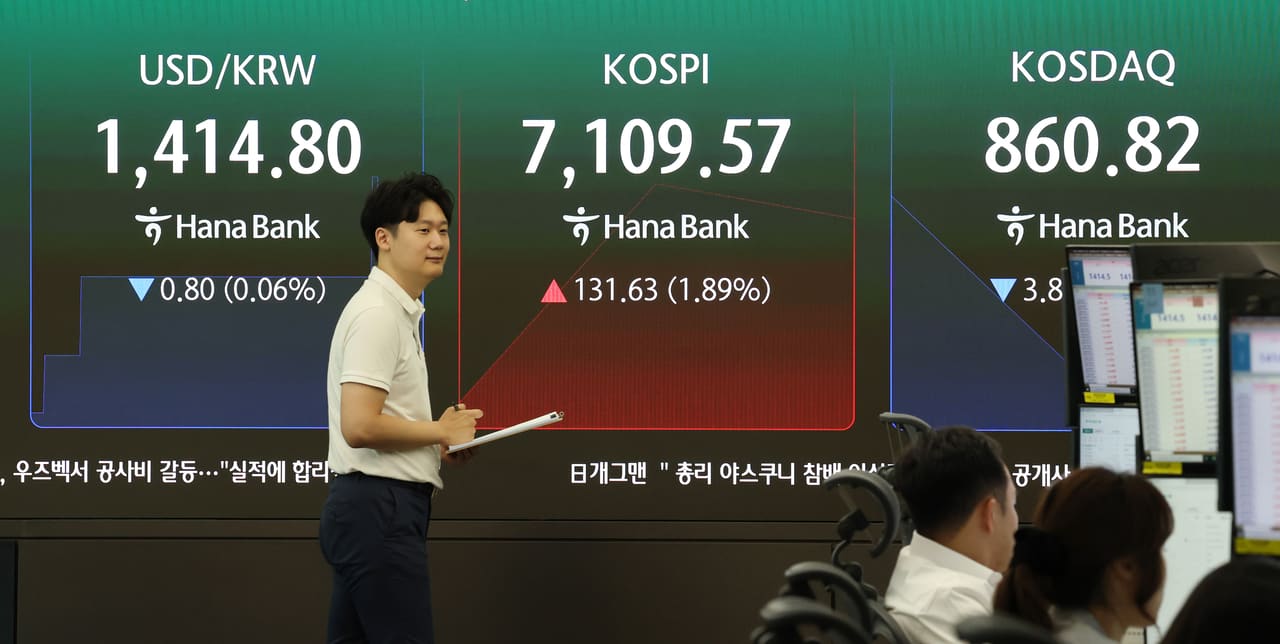
- ·The Korea Composite Stock Price Index climbed 166.91 points to 7,144.85 in early trading, a 2.39 percent gain led by semiconductor manufacturers.
- ·The rally diverged from overnight US losses, where the Dow fell 0.51 percent and the Nasdaq declined 0.32 percent amid inflation concerns.
- ·Elevated oil prices from Middle East tensions pose inflation risks for Korea, though tech sector strength currently outweighs macro headwinds.
Divergence in Trading Sentiment
Seoul's equity market opened sharply higher on Tuesday morning, breaking from the downward momentum seen overnight on Wall Street. The Korea Composite Stock Price Index climbed 166.91 points to reach 7,144.85 as of 9:15 a.m. local time, representing a 2.39 percent gain from the previous close.
The rally came despite a cautious session in New York, where the Dow Jones Industrial Average fell 0.51 percent and the Nasdaq composite dropped 0.32 percent. The KOSPI's opening surge of 2 percent extended through the first minutes of trading, driven primarily by major semiconductor manufacturers.
Chip Sector Leads Advance
Technology stocks, particularly chipmakers, powered the morning rally in Seoul. The sector's strength reflects ongoing demand dynamics in the semiconductor industry, even as broader macroeconomic headwinds persist across global markets.
The divergence between Seoul's tech-heavy index and US benchmarks highlights regional variations in investor sentiment. While American markets grappled with inflation concerns tied to energy prices, Korean equities found support in the structural growth story of the country's dominant chip manufacturers.
Energy Prices and Inflation Pressure
Rising oil prices continue to weigh on investor confidence globally. Elevated crude costs have reignited inflation worries, particularly in economies heavily dependent on energy imports. The persistence of higher oil prices stems partly from geopolitical uncertainty in the Middle East, where prospects for diplomatic resolution appear to be diminishing.
For Korea, an economy that imports virtually all of its oil, sustained energy price increases pose a dual challenge. Higher input costs squeeze margins for manufacturers, while elevated consumer prices can dampen domestic demand. Yet Tuesday's market performance suggests investors are prioritizing sector-specific fundamentals over macro concerns, at least in the near term.
Regional Context and Market Resilience
The Korean market's ability to post gains amid global uncertainty underscores the weight of its technology sector within the broader index. Semiconductor stocks have become increasingly influential in determining daily market direction, reflecting both their market capitalization and their role as bellwethers for global tech demand.
This dynamic has created a pattern where Seoul can decouple from Wall Street when chip sector sentiment improves, even if the broader investment environment remains cautious. The phenomenon has become more pronounced as Korean chipmakers have solidified their positions in memory, foundry, and advanced packaging segments.
Forward Considerations
The morning's rally will face tests as the session progresses. Sustained gains will depend on whether buying interest extends beyond the opening surge and whether overseas investors join domestic participants in supporting valuations.
Market participants will also monitor developments in crude oil markets and any shifts in Middle East diplomatic efforts. A continued climb in energy prices could eventually override sector-specific optimism, particularly if inflation expectations begin to reshape central bank policy outlooks across Asia.
For now, the KOSPI's performance illustrates the competing forces shaping Asian equity markets: structural growth in technology sectors versus cyclical pressures from energy costs and geopolitical risk. How these dynamics balance in coming sessions will determine whether Tuesday's gains mark the start of a broader recovery or remain an isolated episode of sector rotation.
RELATED STORIES
Korea's Valuation Premium Faces Sustainability Test After Summer Correction
Cheng Wei-Lun · 4 min
South Korea Targets 36 Firms Under Stricter Delisting Standards
Cheng Wei-Lun · 3 min
SK Hynix Eyes Solidigm IPO to Recover Investment and Fund US Chip Expansion
Cheng Wei-Lun · 3 min
South Korea's Brokerages Face New Civil Liability Risk After Samsung Securities Ruling
Cheng Wei-Lun · 3 min
Spot something wrong? Email editor@briefasia.com. We log every correction publicly.