Finance · Markets
Crude Jumps Above $90 as Hormuz Standoff Deepens
Brent settles at $90.87 amid diplomatic deadlock between Washington and Tehran, while Strategic Petroleum Reserve hits four-decade low
KEY TAKEAWAYS
- ·Brent crude settled at $90.87 per barrel and WTI at $84.50, both up more than $2, as diplomatic efforts between Washington and Tehran reached a standoff.
- ·Only five vessels transited the Strait of Hormuz on Saturday and none on Sunday, down from thirty-one the prior weekend, while Gulf exporters reroute supply to Asian buyers.
- ·U.S. Strategic Petroleum Reserve inventories fell to 293.4 million barrels, the lowest since December 1982, as drawdowns continue under a 172-million-barrel release agreement.
Prices Spike on Diplomatic Impasse
Global crude benchmarks climbed sharply on Monday, with Brent settling up $2.35 at $90.87 per barrel and West Texas Intermediate rising $2.10 to $84.50. The gains, which pushed both contracts above their five-week highs, reflect mounting concerns that diplomatic channels between Washington and Tehran have collapsed.
President Donald Trump stated the United States would not extend its memorandum of understanding with Iran and demanded what he called a "white flag of surrender" from Tehran. In remarks to Fox News, Trump also threatened military action against Oman if the sultanate interferes with U.S. objectives in the region.
A senior Iranian official told reporters that Tehran would escalate activities in the Strait of Hormuz and launch retaliatory strikes if Washington fails to implement an interim peace arrangement within weeks. Iranian Foreign Minister Abbas Araqchi confirmed that his government has not committed to resuming negotiations, citing the involvement of multiple actors and efforts by unnamed parties to derail the process.
Strait Traffic Slows to Near Halt
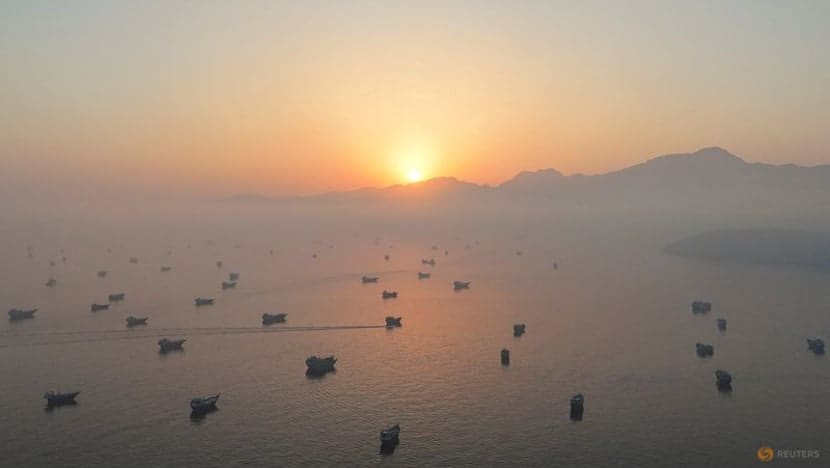
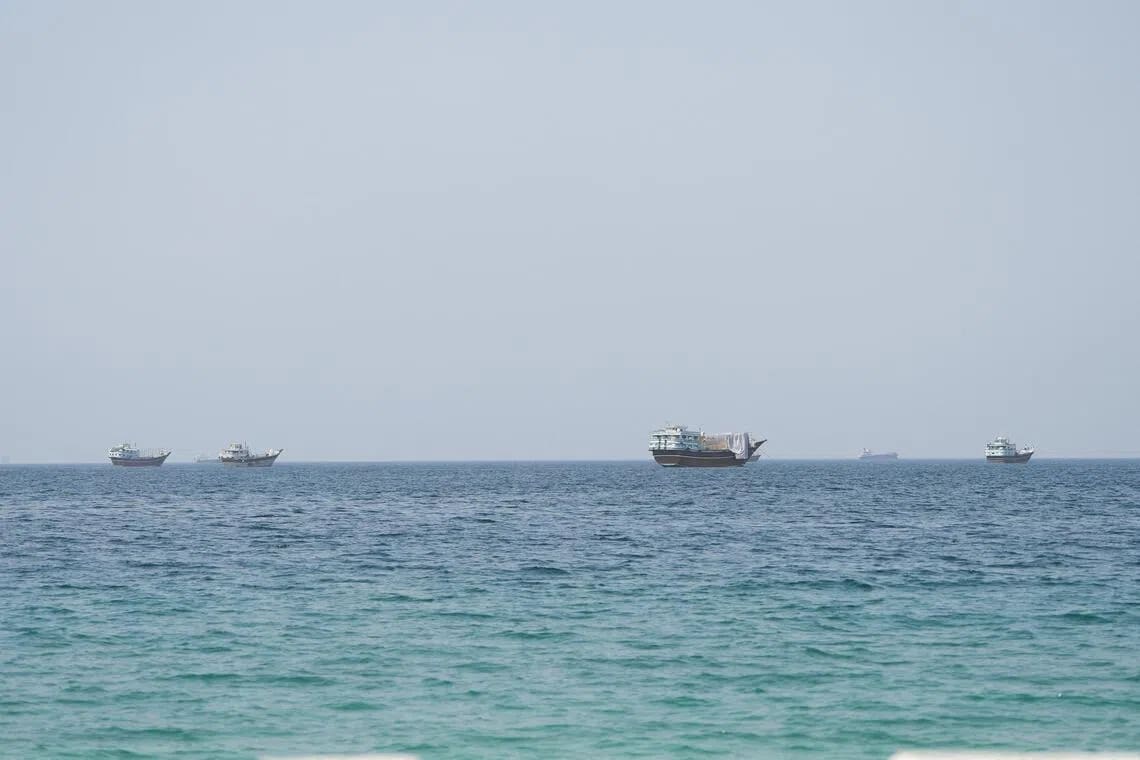
Shipping data from Kpler showed only five commodity vessels transited the Strait of Hormuz on Saturday, with none recorded on Sunday. The prior weekend registered thirty-one transits. Before hostilities began in late February, the waterway handled approximately one-fifth of global oil and liquefied natural gas flows.
Bjarne Schieldrop at SEB Research noted that prices are unlikely to climb substantially beyond current levels unless crude flows through Hormuz halt entirely or the Bab el-Mandeb Strait closes. The market is balancing the risk of deeper disruption against the possibility of a negotiated reopening that could send prices sharply lower.
Both benchmarks gained more than five percent last week following attacks on tankers operated by the Abu Dhabi National Oil Company and a strike on a Saudi Aramco refinery.
Gulf Exporters Reroute Supply
Abu Dhabi National Oil Company sold at least fourteen million barrels of spot crude to Asian refiners in its latest tender, according to trade sources. Saudi Aramco has begun offering crude oil to select Asian buyers from terminals outside the Strait of Hormuz, two sources with knowledge of the matter confirmed.
The diversions underscore efforts by Gulf producers to maintain market share even as their primary export route remains constricted. Phil Flynn, senior analyst at Price Futures Group, said uncertainty over vessel movements through Hormuz is building concern among traders.
U.S. Reserve Hits 1982 Low
Inventories in the U.S. Strategic Petroleum Reserve fell by approximately 5.3 million barrels last week to 293.4 million barrels, the lowest level since December 1982, data from the Department of Energy showed. The drawdowns are part of an agreement to release 172 million barrels from the facility.
Energy Secretary Chris Wright said the administration is "playing the long game" and that the world does not need Iranian oil. He added that he would meet with U.S. refiners to discuss ways to boost fuel production and ease gasoline prices, which remain elevated despite refiners already operating at high utilization rates.
Market Outlook Hinges on Strait Access
Frank Walbaum, market analyst at trading platform Naga.com, said shipping restrictions and the diplomatic stalemate limit the potential for further price declines. In the absence of new catalysts, oil could continue to consolidate around current levels.
Iran's Foreign Ministry spokesperson Esmaeil Baghaei acknowledged that talks with Oman over managing access to the strait are continuing but taking longer than anticipated due to the complexity of the issues and the number of parties involved.
Traders are now watching whether nighttime crude flows through Hormuz can be sustained and whether the diplomatic freeze will trigger a broader supply shock across Asian markets. For now, the standoff has pushed Brent back toward the psychologically significant $90 threshold, with little clarity on when normal shipping might resume.
RELATED STORIES

Trump Announces Plan to Declare Strait of Hormuz US Territory
Priyanka V. Rao · 3 min
Asian Markets Rise as Fed Hike Fears Ease, Oil Climbs on Hormuz Impasse
Priyanka V. Rao · 3 min

Asian Markets Rise on Fed Rate Pause Bets While Oil Climbs on Strait of Hormuz Closure
Cheng Wei-Lun · 3 min

Asian Equities Rally on Tech Earnings as Oil Slides Below $80
Cheng Wei-Lun · 3 min
Spot something wrong? Email editor@briefasia.com. We log every correction publicly.