Finance · Markets
Seoul Market Rebounds as Investors Return After Historic Chip Selloff
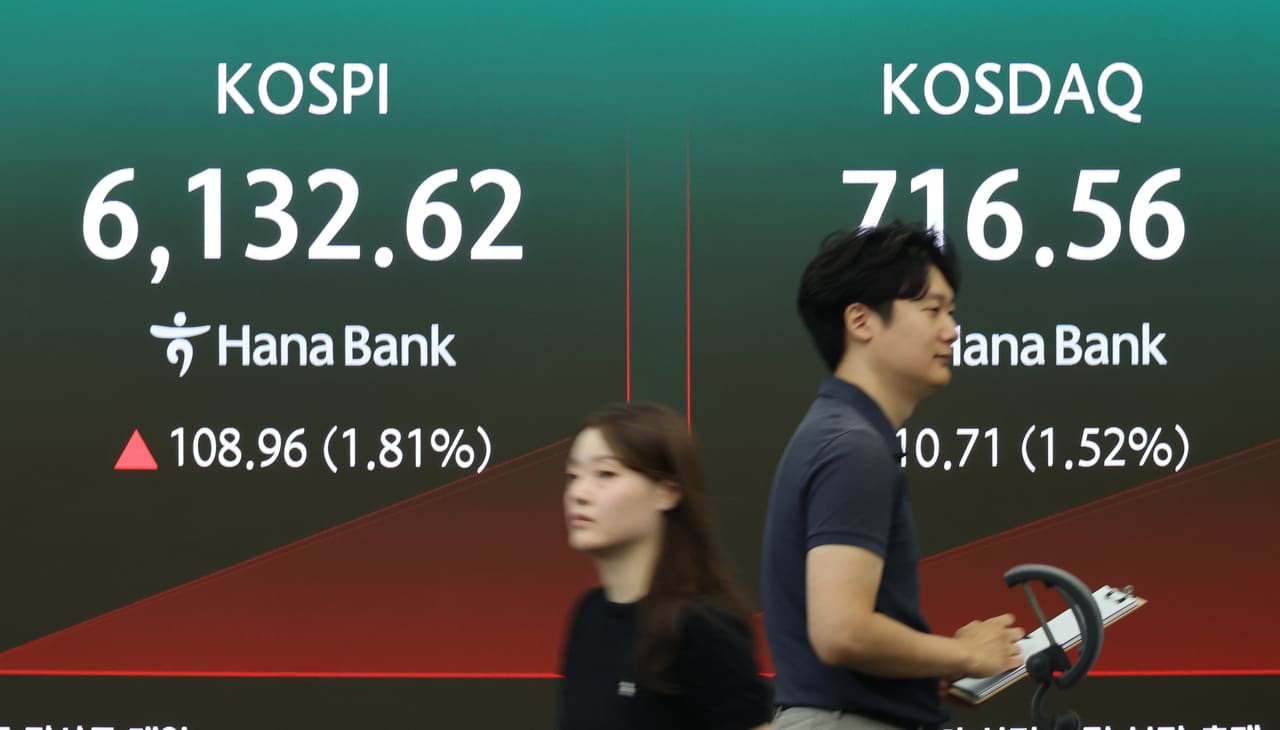
Korea's benchmark index jumped 2.2% in early trading Wednesday, recovering from its steepest single-day drop in years as buyers moved back into beaten-down tech names.
KEY TAKEAWAYS
- ·Seoul's KOSPI index rose 2.23% to 6,157.90 in early trading Wednesday, recovering from Tuesday's 10.84% collapse that wiped out nearly 11% in a single session.
- ·The prior day's selloff centered on semiconductor stocks amid concerns over AI infrastructure spending sustainability and rising competition among global chipmakers.
- ·Wednesday's rebound reflects bargain hunting after the steep decline, though sustained recovery depends on chip earnings guidance and AI demand trends in coming weeks.
Sharp Recovery After Tech Rout
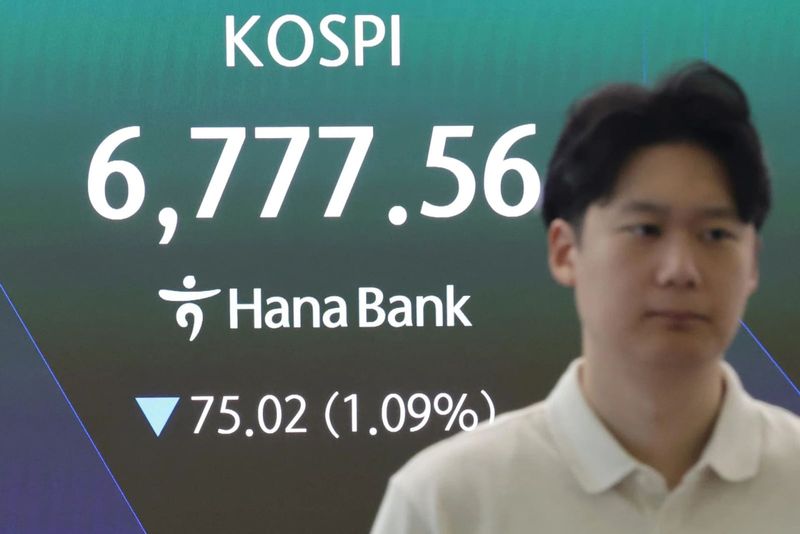
Seoul's main equity index opened sharply higher Wednesday morning, climbing 134 points as investors re-entered the market following one of the most severe single-session declines in recent memory. The Korea Composite Stock Price Index rose 2.23% to 6,157.90 by 9:15 a.m. local time, after opening up 1.09%.
The bounce follows Tuesday's dramatic 10.84% plunge that took the benchmark down to 6,023.66, a move that erased nearly 11% of the index's value in a single session. The selloff centered on semiconductor stocks, which form the backbone of Korea's export economy and carry significant weight in the KOSPI.
Chip Worries Drive Volatility
Tuesday's collapse reflected mounting anxiety over two fronts: doubts about the sustainability of massive capital expenditure in artificial intelligence infrastructure, and intensifying competition among global chipmakers. Both concerns hit Korean semiconductor manufacturers particularly hard, given their dominance in memory chips used in AI data centers.
The scale of Tuesday's decline ranks among the steepest drops for Seoul equities in years, comparable to pandemic-era volatility and the 2008 financial crisis. Such dramatic moves typically signal capitulation selling, where investors dump holdings at any price to limit further losses.
Wednesday's recovery suggests that at least some market participants viewed the selloff as overdone. Bargain hunting after sharp declines is a familiar pattern in Seoul, where retail investors often step in when institutional players retreat. The speed of the rebound, however, leaves open the question of whether this represents genuine stabilization or simply a technical bounce before further weakness.
Regional Context
The Seoul market's turbulence comes as Asian tech hubs grapple with shifting sentiment around AI investment. After two years of frenzied spending on data centers, graphics processors, and high-bandwidth memory, questions have emerged about return on investment and the pace of future deployment.
Korean chipmakers, including major memory producers, have benefited enormously from the AI boom. High-bandwidth memory used in AI accelerators has commanded premium pricing, and capacity expansions have been announced across the sector. Any slowdown in AI infrastructure buildout would directly impact Korean export volumes and corporate earnings.
Competition concerns add another layer of uncertainty. Chinese manufacturers continue to advance despite export controls, while American and European firms push for domestic production. Korea's position as a critical node in the global chip supply chain remains secure for now, but the margin for error has narrowed.
What Comes Next
The immediate test for Seoul equities will be whether Wednesday's rally holds through the close and into the rest of the week. Single-day rebounds after major selloffs are common, but sustained recovery requires either fundamental improvement or a decisive shift in sentiment.
Investors will be watching chip sector earnings reports and guidance closely in the coming weeks. Any signs of order cancellations, inventory buildup, or reduced capital spending plans from major customers would likely reignite selling pressure. Conversely, affirmation of strong AI demand could provide the catalyst for a more durable recovery.
The volatility also underscores the concentration risk in Seoul's market structure. With semiconductor stocks accounting for a large share of index weight, moves in a handful of names can drive outsized swings in the broader market. That dynamic has served Korean equities well during the AI rally, but it cuts both ways when sentiment sours.
For now, bargain hunters appear willing to test the waters. Whether they are catching a falling knife or capturing genuine value will depend on factors largely beyond Korea's borders, including the trajectory of AI spending in the United States and China, and the competitive dynamics reshaping the global chip industry.
RELATED STORIES
Seoul Markets Tumble as Tech Selloff Ripples Across Asia
Cheng Wei-Lun · 3 min
Korean Stocks Retreat as Nvidia Earnings Loom
Cheng Wei-Lun · 2 min
Seoul Stocks Drop on Mideast Tensions and Oil Price Surge
Tran Quoc Bao · 3 min
Index Funds Face Hidden Concentration Risk From AI Boom
Cheng Wei-Lun · 3 min
Spot something wrong? Email editor@briefasia.com. We log every correction publicly.