Finance · Markets
Korean Stocks Retreat as Nvidia Earnings Loom
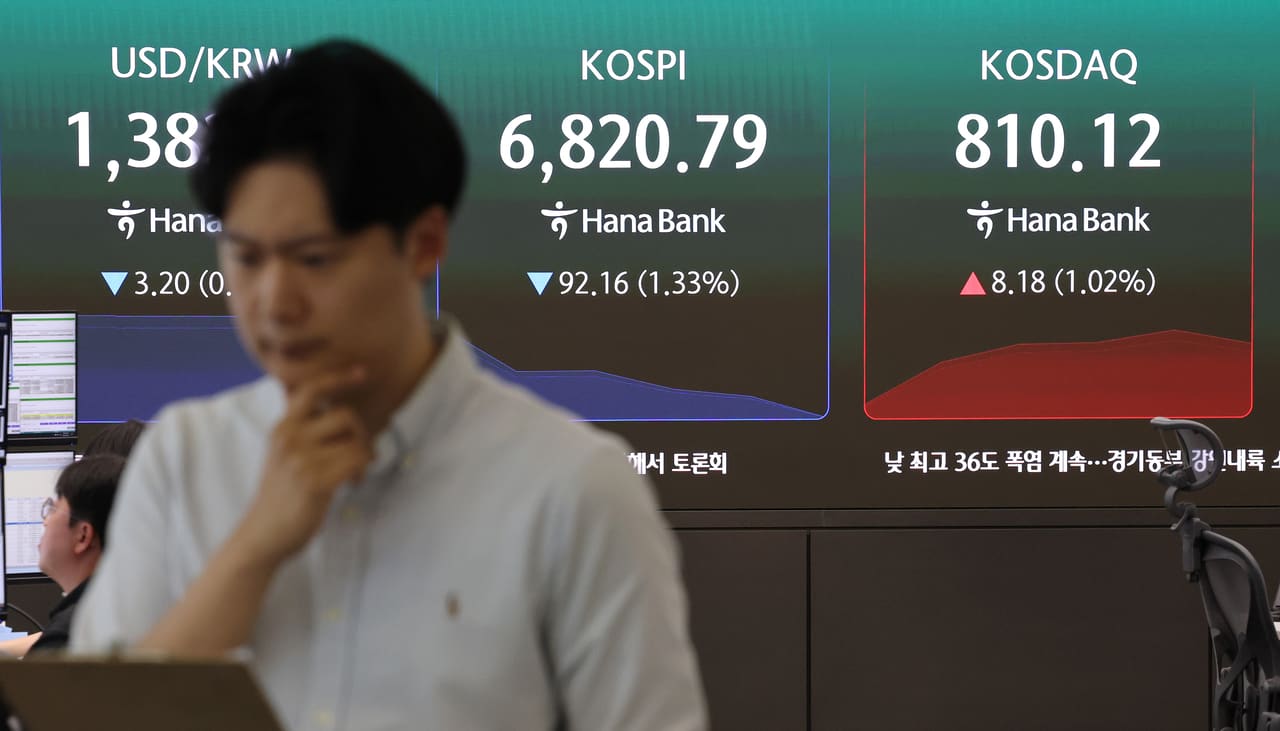
Seoul's benchmark index fell 0.73 percent in early trading as investors took profits on chip stocks ahead of the US semiconductor giant's quarterly results.
KEY TAKEAWAYS
- ·Seoul's KOSPI index dropped 50.77 points to 6,862.18 in early trading, a 0.73 percent decline driven by profit-taking in large-cap chip stocks.
- ·Investors reduced exposure to semiconductor positions ahead of Nvidia's quarterly earnings, seeking clarity on AI demand and supply chain trends.
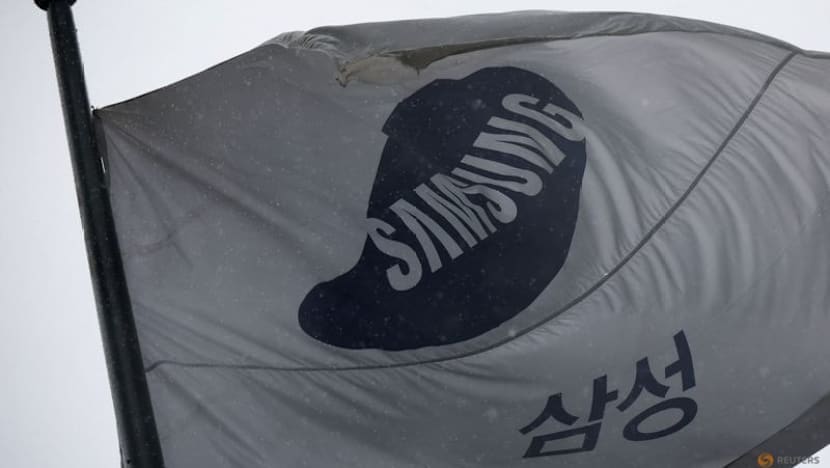
- ·Korean chipmakers Samsung and SK Hynix supply memory components to global data centers, making Seoul equities sensitive to US technology sector guidance.
Profit-Taking Pressures Seoul Market
Korean equities opened Monday's session under pressure as market participants locked in gains ahead of a critical earnings announcement from Nvidia. The Korea Composite Stock Price Index dropped 50.77 points to 6,862.18 in the opening minutes, representing a 0.73 percent decline from Friday's close above the 6,900-point threshold.
The pullback reflects a cautious stance among investors who have driven semiconductor stocks higher in recent sessions. With Nvidia scheduled to report quarterly results, traders appear reluctant to add exposure to chip-related positions until they gauge the health of artificial intelligence demand and semiconductor supply chains.
Chip Sector Sensitivity
Seoul's equity market maintains an outsized sensitivity to developments in the global semiconductor industry. Korean chipmakers Samsung Electronics and SK Hynix supply critical memory components to data center operators and AI infrastructure providers, making their stock performance closely tied to guidance from major US technology firms.
Nvidia's earnings carry particular weight because the company dominates the market for graphics processing units used in AI training and inference. Any signals about order volumes, inventory levels, or customer spending patterns reverberate through Asian semiconductor supply chains within hours.
The decision by investors to reduce exposure to large-cap chip stocks before the earnings release suggests uncertainty about whether recent rallies have already priced in strong results. Korean semiconductor equities have posted substantial gains this year as AI infrastructure spending accelerated across North America and Europe.
Regional Market Context
The morning decline in Seoul follows a pattern visible across Asian technology-heavy bourses, where profit-taking has emerged as a common theme ahead of key US corporate announcements. Investors across the region are balancing optimism about AI-driven demand against concerns about valuation levels and potential disappointments in forward guidance.
Korean market participants are also monitoring broader macroeconomic factors, including currency movements and trade dynamics. The won's performance against the dollar influences the competitiveness of Korean exports and the translated value of overseas earnings for major companies listed on the KOSPI.
Financial institutions in Seoul have noted increased volatility in technology stocks as quarterly reporting season approaches. Portfolio managers are adjusting positions based on expectations for corporate guidance, particularly regarding capital expenditure plans among hyperscale cloud providers that drive demand for memory chips and storage solutions.
What Comes Next
Market watchers expect trading volumes to remain subdued until Nvidia releases its results and provides commentary on demand trends. The company's outlook for the current quarter and full fiscal year will offer clues about the sustainability of AI infrastructure investment, which has been a primary driver of semiconductor revenue growth.
Korean chipmakers will report their own quarterly results in coming weeks, and analysts will scrutinize those earnings calls for confirmation of order patterns and pricing trends. Any divergence between Nvidia's guidance and the performance of Korean memory suppliers could trigger reassessments of sector valuations.
The broader KOSPI index has demonstrated resilience this year despite periodic pullbacks, supported by strong corporate earnings and foreign investor inflows. Whether the current caution represents a temporary pause or the start of a deeper correction will depend largely on signals from US technology leaders about the trajectory of AI spending through the remainder of the year.
RELATED STORIES
Korean Stocks Stall After First-Half Surge as Chip Cycle Concerns Mount
Cheng Wei-Lun · 3 min
Samsung and SK Hynix Chart Opposite Paths on Record Shareholder Returns
Cheng Wei-Lun · 4 min
Seoul's Leveraged ETF Experiment Leaves Retail Investors Nursing Psychiatric Wounds
Jun-ho Seo · 4 min
Samsung Pledges Up to $80 Billion in Shareholder Returns This Year
Cheng Wei-Lun · 3 min
Spot something wrong? Email editor@briefasia.com. We log every correction publicly.