Finance · Markets
Korean Stocks Stall After First-Half Surge as Chip Cycle Concerns Mount
Seoul's benchmark index trades sideways following earlier gains, with semiconductor heavyweights losing investor confidence amid peak-cycle worries
KEY TAKEAWAYS
- ·The Kospi has entered range-bound trading after strong first-half gains, unable to reclaim earlier highs as semiconductor stocks lose momentum.
- ·Samsung Electronics and SK hynix are drawing reduced investor interest amid concerns the chip upcycle may be nearing its peak.
- ·The index's path forward depends on memory pricing trends, AI infrastructure spending, and inventory dynamics over the next two quarters.
Momentum Fades After Strong Start
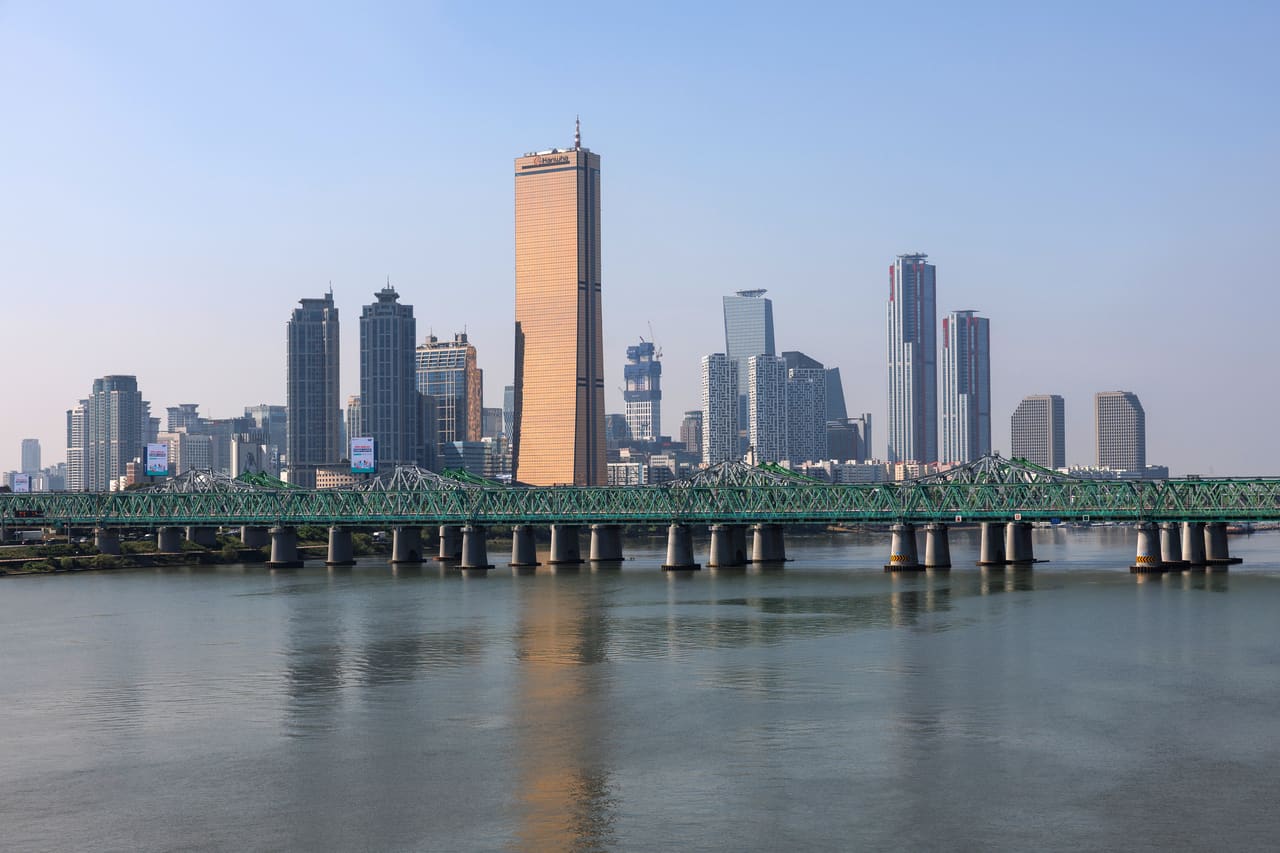
Seoul's equity market has shifted into neutral after a powerful start to the year, with the Kospi benchmark losing the upward drive that carried it through the first six months. The index now trades in a narrow band, unable to reclaim earlier peaks as investor enthusiasm cools.
The slowdown centers on South Korea's semiconductor giants, which powered much of the earlier advance. Samsung Electronics and SK hynix, the two pillars of the Kospi's weight, are drawing less buying interest as market participants debate whether the current chip upcycle is approaching exhaustion. Both stocks have seen reduced conviction, limiting the broader index's ability to break higher.
The shift in sentiment reflects a deeper question facing Asia's equity markets: whether the semiconductor recovery that began in late 2023 and accelerated through early 2024 has reached a natural plateau. Memory chip prices, which climbed steadily for months, have shown signs of stabilizing rather than extending gains. That plateau matters for Seoul, where tech hardware accounts for a disproportionate share of market capitalization and export revenue.
Peak Cycle or Temporary Lull
Investors are now weighing two scenarios. The first holds that the current pause represents a consolidation phase, a natural breather after rapid gains that will give way to another leg higher once earnings visibility improves. The second suggests the semiconductor cycle has peaked, and that further upside will prove elusive without a fresh catalyst.
The uncertainty is compounded by mixed signals from global demand. Data center buildouts continue at a robust pace, supporting demand for high-bandwidth memory and advanced logic chips. Yet consumer electronics remain sluggish, and inventory levels across the supply chain have risen after months of restocking. That divergence makes it harder to gauge the sustainability of current chip pricing and order momentum.
Seoul's market structure amplifies these concerns. The Kospi's heavy concentration in a handful of exporters means that sentiment shifts in semiconductors can override strength in other sectors. Even as financials, utilities, and select industrials post steady results, the index struggles to advance when its largest constituents lose momentum.
What Comes Next
The path forward depends largely on how chip fundamentals evolve over the next two quarters. If memory pricing holds and hyperscale customers maintain capital expenditure plans, the current range-bound trading could resolve to the upside. Analysts point to ongoing artificial intelligence infrastructure investment as a potential support, particularly for high-margin products like HBM3E and enterprise SSDs.
Conversely, any sign that inventory corrections are deepening or that end-market demand is softening could trigger a more pronounced pullback. The Kospi's valuation multiples remain reasonable by historical standards, but they offer limited cushion if earnings estimates need to be revised downward.
Currency movements add another layer of complexity. A stronger won would pressure export competitiveness, while a weaker currency could stoke inflation concerns and complicate monetary policy. The Bank of Korea's rate trajectory will influence both corporate funding costs and the relative attractiveness of equities versus fixed income.
Market participants are also watching geopolitical developments, particularly around semiconductor trade policy and supply chain diversification. Any shift in export controls or subsidy regimes could reshape the competitive landscape for South Korean chipmakers, either opening new opportunities or introducing fresh headwinds.
For now, the Kospi remains caught between competing forces: solid fundamentals in select sectors versus fading momentum in its largest components. The resolution of that tension will determine whether the index resumes its earlier climb or enters a longer period of sideways drift. Investors accustomed to the first half's steady gains are adjusting to a more uncertain environment, one where conviction in chip stocks no longer provides the reliable tailwind it once did.
The debate over cycle timing is not unique to Seoul. Across Asia, equity markets are grappling with similar questions about the durability of the semiconductor recovery and the broader implications for tech-heavy indices. South Korea's experience, given its outsized exposure to memory and foundry segments, may offer an early read on how those dynamics play out regionally.
Whether the current pause proves temporary or marks a more lasting shift will depend on earnings reports, inventory trends, and demand signals from key end markets. Until those data points clarify, the Kospi is likely to remain range-bound, with investors reluctant to commit fresh capital without greater visibility into the cycle's next phase.
RELATED STORIES
Seoul Stocks Retreat as Wall Street Pullback Weighs on Asian Markets
Cheng Wei-Lun · 3 min
Seoul Equities Jump 2.7% as Inflation Easing Lifts US Markets
Cheng Wei-Lun · 3 min
Seoul Tech Stocks Surge 5% as US Inflation Data Lifts Asian Markets
Cheng Wei-Lun · 3 min
Key Asic Shares Surge 128% on Record Volume as Asia Tech Rally Returns
Cheng Wei-Lun · 3 min
Spot something wrong? Email editor@briefasia.com. We log every correction publicly.