Finance · Markets
Seoul Stocks Drop on Mideast Tensions and Oil Price Surge
The Kospi fell 0.29 per cent in early trading as investors weighed inflation risks from rising crude ahead of US economic data
KEY TAKEAWAYS
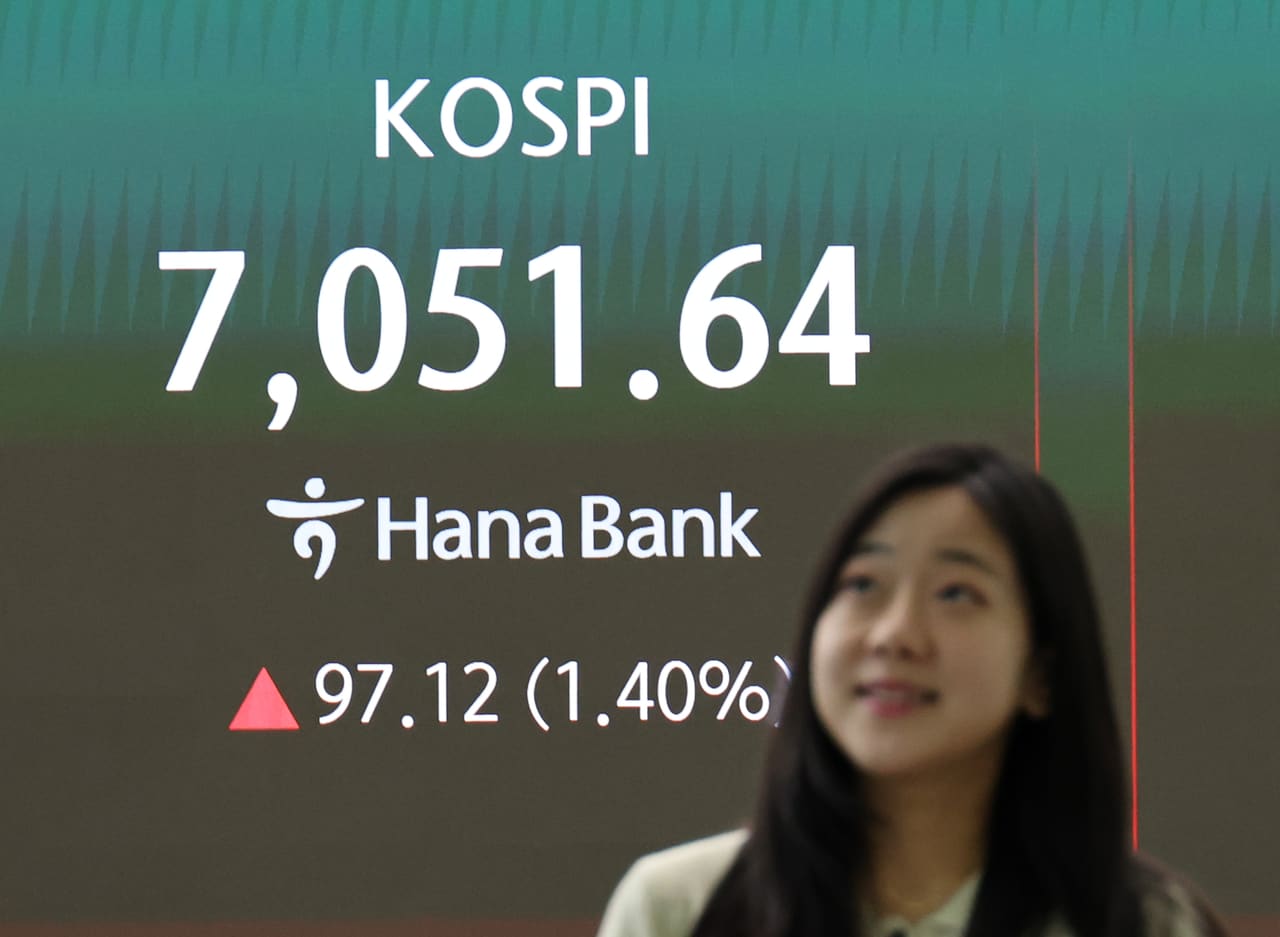
- ·The Korea Composite Stock Price Index fell 0.29 per cent to 7,031.53 in early Thursday trading as oil prices climbed amid Middle East instability.
- ·Rising crude costs are fuelling inflation concerns ahead of key US economic data that will shape Federal Reserve policy expectations.
- ·South Korea's energy-import dependence makes the market sensitive to oil volatility, with implications for corporate margins and monetary policy.
Market Opens Lower
South Korean equities fell in early trading on Thursday as investors digested rising crude prices and escalating geopolitical instability in the Middle East. The Korea Composite Stock Price Index declined 20.11 points, or 0.29 per cent, to 7,031.53 as of 9:15 a.m. local time, extending an initial opening loss of 0.18 per cent.
The sell-off tracked overnight weakness on Wall Street, where major indices closed lower amid energy market volatility. Oil prices have climbed steadily this week as tensions in the Middle East intensified, prompting concern among investors about potential supply disruptions and their knock-on effects on global inflation.
Inflation Worries Return
The timing of the market downturn is significant. Traders are positioning ahead of key US inflation data scheduled for release later this week, which will offer fresh insight into the Federal Reserve's monetary policy trajectory. Rising oil prices complicate that picture considerably. Energy costs feed directly into consumer price indices, and sustained crude strength could delay any pivot toward looser monetary conditions in Washington.
For Seoul, the implications are twofold. South Korea remains a major importer of energy, making the economy sensitive to oil price swings. Higher crude costs squeeze corporate margins in energy-intensive sectors, from petrochemicals to transport, while also lifting headline inflation figures that policymakers monitor closely.
Regional Context
South Korean markets have shown resilience in recent months, buoyed by strong export data and a rebound in semiconductor demand. The Kospi has gained ground steadily since mid-year, supported by improving earnings forecasts for technology and industrial firms. Thursday's decline represents a pause in that rally rather than a reversal, though sustained energy price pressure could test investor sentiment.
Elsewhere in Asia, equity markets displayed mixed performance. Investors across the region are weighing the same set of concerns: oil volatility, inflation persistence, and central bank policy direction. South Korea's export-driven economy makes it particularly sensitive to shifts in global trade conditions and commodity prices, amplifying the impact of external shocks.
Oil and Policy
The current oil price trajectory reflects both supply-side factors and geopolitical risk premiums. Middle East tensions have historically been a source of volatility in energy markets, and traders are pricing in the possibility of supply constraints if the situation deteriorates further. That calculus is feeding into broader market anxiety about inflation re-accelerating, particularly in economies that had only recently begun to see price pressures ease.
For the Bank of Korea, rising energy costs present a dilemma. The central bank has maintained a cautious stance on monetary policy, balancing growth concerns against inflation risks. A prolonged period of elevated oil prices could force a reassessment of that balance, especially if imported inflation begins to filter through to core price measures.
What Comes Next
Market participants will be watching US inflation data closely for signals about the Federal Reserve's next moves. Any indication that price pressures are proving stickier than expected could prompt a reassessment of rate-cut expectations, with implications for global capital flows and emerging-market equities.
In Seoul, attention will also turn to domestic corporate earnings reports and export figures due in the coming weeks. The technology sector, which accounts for a substantial portion of the Kospi's weighting, remains a key driver of index performance. Any signs that energy costs are weighing on profit margins could dampen the outlook for the broader market.
For now, the market's reaction reflects caution rather than panic. Investors are adjusting positions in response to a changing risk landscape, but the underlying fundamentals of South Korea's economy remain broadly intact. The question is whether oil prices stabilise or continue climbing, and how central banks respond if inflation risks resurface.
RELATED STORIES

Samsung Electronics Drops 8% as Market Questions Buyback Strategy
Cheng Wei-Lun · 2 min

Samsung Biologics Plans $2.2 Billion Rights Offering to Fund Peptide Acquisition
Jun-ho Seo · 3 min
Index Funds Face Hidden Concentration Risk From AI Boom
Cheng Wei-Lun · 3 min
Seoul Markets Tumble as Tech Selloff Ripples Across Asia
Cheng Wei-Lun · 3 min
Spot something wrong? Email editor@briefasia.com. We log every correction publicly.