Finance · Deals
Samsung Biologics Plans $2.2 Billion Rights Offering to Fund Peptide Acquisition
South Korean contract manufacturer will issue 2.27 million new shares at discounted price as pharmaceutical industry consolidation accelerates
KEY TAKEAWAYS
- ·Samsung Biologics approved a rights offering of 2.27 million shares at 1,322,000 won each, raising over 3 trillion won with 2.71 trillion won allocated to acquire a peptide manufacturer.
- ·The move addresses a capacity gap in Asian peptide manufacturing as demand for GLP-1 and other peptide therapies outpaces global supply.
- ·Existing shareholders will face 4.9 percent dilution, with the acquisition expected to close by year-end pending regulatory approvals.
Samsung Biologics Moves Into Peptide Manufacturing
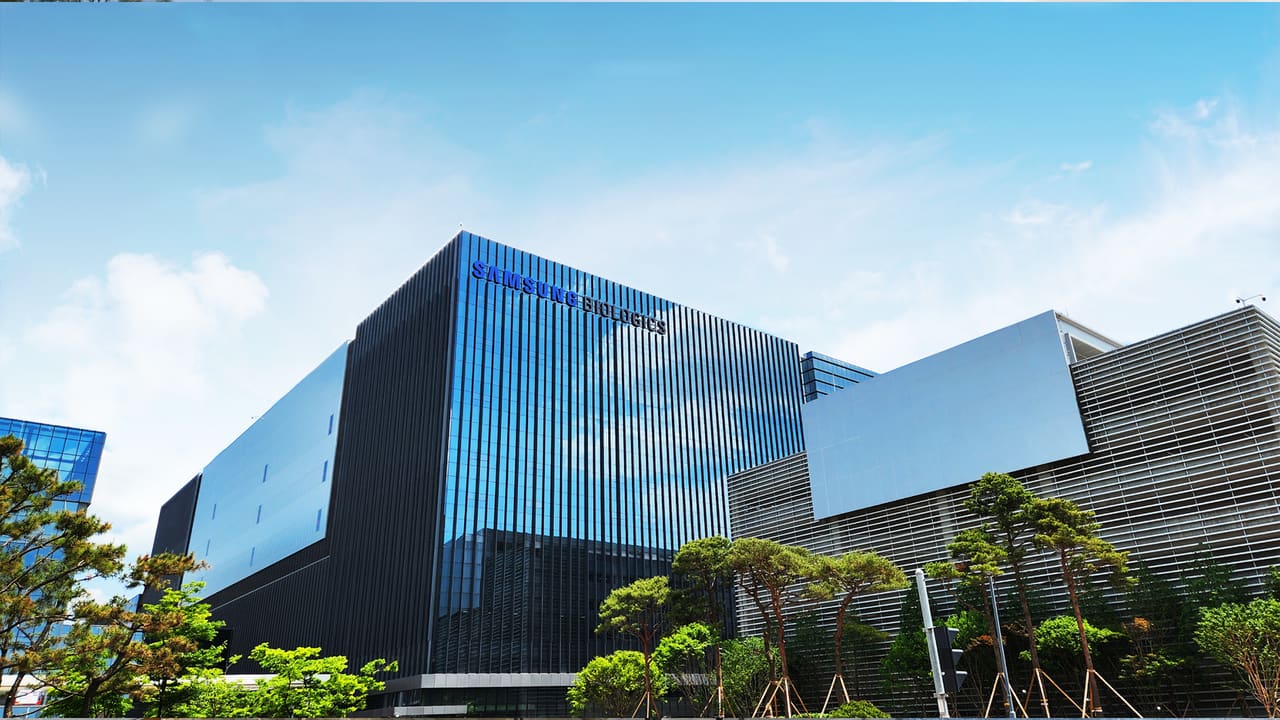
Samsung Biologics has approved a rights offering that will raise more than 3 trillion won as the South Korean contract development and manufacturing organization pushes into peptide production. The board greenlit the plan Friday, setting the stage for one of the largest capital raises in Asia's pharmaceutical sector this year.
The offering will issue 2.27 million new shares priced at 1,322,000 won each, according to Samsung Biologics. That represents a 15 percent discount to recent trading levels and will dilute existing shareholders by 4.9 percent. The company expects to deploy 2.71 trillion won of the proceeds toward acquiring a peptide manufacturer, with the balance earmarked for a new production campus.
Peptide Capacity Gap in Asia
Peptide therapeutics have emerged as a critical growth segment for drugmakers, bridging the gap between small molecules and large biologics. GLP-1 receptor agonists for diabetes and obesity, including blockbuster drugs like Novo Nordisk's Ozempic and Wegovy, rely on peptide synthesis. Global demand for peptide manufacturing capacity has outstripped supply, creating bottlenecks that have slowed drug development timelines.
Samsung Biologics currently operates four large-scale biologics plants in Incheon with a combined capacity of 784,000 liters, making it one of the world's largest contract manufacturers by volume. The company has built its reputation on monoclonal antibody production for Western pharmaceutical clients. Moving into peptides would diversify its service offering and position it to capture contracts for next-generation therapies.
Asian contract manufacturers have historically lagged European and North American peers in peptide production, despite the region's strength in active pharmaceutical ingredient synthesis. Samsung's capital deployment signals an effort to close that gap and capture a larger share of the estimated $50 billion global peptide therapeutics market.
Production Campus Expansion
Beyond the acquisition, Samsung Biologics plans to allocate capital toward a new manufacturing campus. The company has not disclosed the location or capacity specifications, but industry observers expect the facility to integrate peptide and biologics production under one roof. That approach would allow clients to consolidate supply chains and reduce the complexity of managing multiple contract manufacturers across different therapeutic modalities.
The timing aligns with broader capacity expansion across South Korea's pharmaceutical sector. Samsung Biologics rival Celltrion has invested heavily in new antibody-drug conjugate facilities, while SK Bioscience has ramped up vaccine manufacturing infrastructure. Government incentives and favorable regulatory pathways have accelerated investment, positioning South Korea as a manufacturing hub for next-generation biologics.
Shareholder Dilution and Strategic Rationale
The 4.9 percent dilution is modest by rights offering standards, reflecting confidence that existing shareholders will participate at the discounted price. Samsung Biologics shares have delivered strong returns over the past three years, buoyed by contract wins with major pharmaceutical clients and steady capacity utilization rates above 90 percent.
Investors will weigh the near-term dilution against the strategic value of entering peptide manufacturing. The acquisition target remains undisclosed, but the 2.71 trillion won price tag suggests a mid-sized player with established manufacturing assets and regulatory approvals. Integrating a peptide platform could shorten Samsung Biologics' time to market and provide immediate revenue contribution, compared to building greenfield capacity that typically requires three to five years to reach full production.
The rights issue also reflects the capital intensity of pharmaceutical manufacturing. Modern biologics and peptide plants require specialized equipment, cleanroom environments, and extensive validation protocols. Financing through equity rather than debt preserves balance sheet flexibility and avoids interest rate exposure at a time when central banks across Asia have maintained relatively high policy rates.
Competitive Landscape
Samsung Biologics competes globally with Lonza, Catalent, and WuXi Biologics for contract manufacturing contracts. The peptide acquisition would put it in closer competition with specialized players like Bachem and PolyPeptide Group, which dominate European peptide production. In Asia, Chinese manufacturers have expanded peptide capacity rapidly, often at lower price points, but face ongoing scrutiny over quality systems and regulatory compliance in Western markets.
The deal also positions Samsung Biologics to benefit from the pharmaceutical industry's shift toward outsourcing. Major drugmakers have increasingly divested manufacturing assets to focus on research and commercialization, relying on contract manufacturers to handle production at scale. Peptide therapies, with their complex synthesis and handling requirements, have been slower to outsource than traditional biologics, creating an opportunity for contractors that can demonstrate technical capability and regulatory track record.
Samsung Biologics expects to complete the rights offering in the coming weeks, with the acquisition targeted for closure by year-end, subject to regulatory approvals.
RELATED STORIES
Samsung Biologics Bids $1.8 Billion for PolyPeptide in Korea's Largest Biopharma Acquisition
Jun-ho Seo · 3 min
Singapore Eyes Retail Fund Expansion as Seoul's Leveraged ETF Losses Sound Warning
Priyanka V. Rao · 4 min
Samsung Electronics Drops 8% as Market Questions Buyback Strategy
Cheng Wei-Lun · 2 min

Japan Deploys $96.5 Billion in Currency Intervention to Halt Yen's Slide
Aiko Nakamura · 3 min
Spot something wrong? Email editor@briefasia.com. We log every correction publicly.