Finance · Deals
Samsung Biologics Bids $1.8 Billion for PolyPeptide in Korea's Largest Biopharma Acquisition
The all-cash deal marks Samsung's push into peptide manufacturing and extends its contract production footprint across new therapeutic modalities
KEY TAKEAWAYS
- ·Samsung Biologics has offered $1.8 billion in cash to acquire 100 percent of PolyPeptide Group, marking South Korea's largest biopharmaceutical takeover.
- ·The deal expands Samsung Biologics beyond core biologics into peptide synthesis, allowing the CDMO to serve clients across multiple therapeutic modalities.
- ·Transaction close is expected by year-end 2026, subject to regulatory approvals and integration of PolyPeptide's global manufacturing operations.
Korea's CDMO Giant Enters Peptide Territory
Samsung Biologics announced an all-cash offer to acquire full ownership of PolyPeptide Group for $1.8 billion, according to the company. The transaction, expected to close before year-end, represents the largest acquisition in South Korea's biopharmaceutical sector to date.
The move positions Samsung Biologics to expand beyond its core biologics contract manufacturing business into peptide synthesis, a distinct but adjacent segment of the pharmaceutical supply chain. PolyPeptide operates production facilities across multiple geographies and serves clients developing peptide-based therapeutics, a class of drugs that has seen renewed interest as delivery technologies improve.
Strategic Rationale Behind the Deal
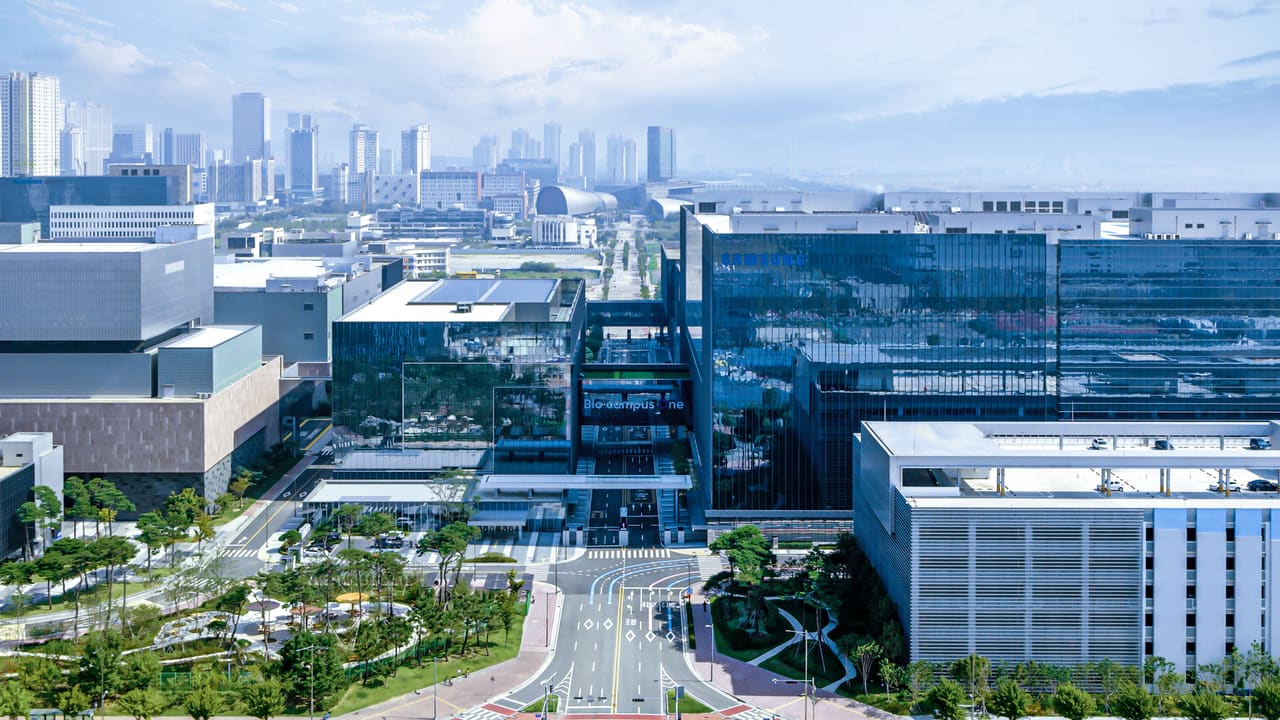
Samsung Biologics has built its reputation as one of Asia's leading contract development and manufacturing organizations, or CDMOs, operating large-scale biologics plants in Incheon. The addition of PolyPeptide's capabilities would allow the company to offer clients a broader suite of manufacturing services spanning biologics, peptides, and potentially other modalities under a single organizational umbrella.
Peptides occupy a space between small-molecule drugs and large biologics. They are shorter chains of amino acids than full proteins, often requiring specialized synthesis techniques and quality control processes. Pharmaceutical companies increasingly view peptides as viable candidates for treating metabolic, oncology, and rare disease indications, driving demand for contract manufacturing capacity.
By acquiring PolyPeptide outright rather than building peptide capabilities organically, Samsung Biologics gains immediate access to established manufacturing infrastructure, regulatory approvals, and customer relationships. The deal also reflects the company's ambition to compete with global CDMOs such as Lonza and Catalent, which offer multi-modality platforms.
Financial Scale and Industry Context
The $1.8 billion price tag underscores both the strategic value Samsung Biologics places on peptide manufacturing and the premium commanded by established players in the CDMO space. Samsung Biologics has maintained strong cash flow from its existing biologics contracts, enabling it to pursue large acquisitions without leveraging its balance sheet excessively.
South Korea's biopharmaceutical industry has historically focused on biosimilars and contract biologics production, with Samsung Biologics and Celltrion leading that charge. This acquisition signals a shift toward diversification and vertical integration, as Korean firms seek to capture more value across the pharmaceutical development and manufacturing lifecycle.
The deal also comes at a time when global pharmaceutical companies are re-evaluating their supply chain strategies. Many are shifting production of complex therapeutics to specialized contract manufacturers in Asia, drawn by competitive pricing, technical expertise, and capacity availability. Samsung Biologics has capitalized on this trend, and the PolyPeptide acquisition extends that advantage into a new therapeutic category.
What Closing the Deal Entails
Samsung Biologics indicated it expects regulatory approvals and final closing procedures to wrap up by the end of 2026. The transaction will require clearance from competition authorities in jurisdictions where PolyPeptide operates, as well as any sector-specific reviews related to pharmaceutical manufacturing.
Once integrated, PolyPeptide's operations will likely be managed as a distinct business unit within Samsung Biologics, given the technical differences between peptide synthesis and biologics production. The company will need to address operational integration, including harmonizing quality systems, aligning customer contracts, and retaining key technical staff.
For Samsung Biologics, the acquisition represents a calculated expansion into adjacent markets. Peptide therapeutics are experiencing a resurgence, driven by advances in drug delivery, oral bioavailability, and targeted conjugation. By securing manufacturing capacity now, Samsung Biologics positions itself to serve the next wave of peptide-based drug development programs.
The deal also raises the competitive bar for other Asia-based CDMOs, many of which remain focused on traditional biologics. As the therapeutic landscape fragments into more specialized modalities, including cell and gene therapies, antibody-drug conjugates, and peptides, the ability to offer integrated manufacturing services becomes a differentiator. Samsung Biologics is making a clear statement that it intends to lead that transition in the region.
RELATED STORIES
Samsung Biologics Plans $2.2 Billion Rights Offering to Fund Peptide Acquisition
Jun-ho Seo · 3 min

Japan Deploys $96.5 Billion in Currency Intervention to Halt Yen's Slide
Aiko Nakamura · 3 min

Seoul Markets Tumble as Tech Selloff Ripples Across Asia
Cheng Wei-Lun · 3 min

Asian Equities Climb Despite Bond Market Turbulence
Cheng Wei-Lun · 3 min
Spot something wrong? Email editor@briefasia.com. We log every correction publicly.